

If you have missing teeth, you probably want to know if dental implants feel natural. Dental implants feel like real teeth for most people once they have healed, since the implant fuses with your jawbone and holds the new tooth firmly in place.
This gives you a steady bite and a natural feeling when you eat or talk.
At first, you may notice some small differences between your implant and your other teeth.
Dr. Thorpe A. Jacob, at The Smile Company, carefully plans implant treatment with long-term comfort and function in mind. And over time, most people say they forget which tooth is the implant.
This guide walks you through how implants work, what changes during healing, and what affects comfort down the road.
You will also see how implants compare with other tooth replacement options, so you can decide which best fits your needs.
Key Takeaways
- Implants can feel close to natural teeth once your jawbone fully heals around them.
- Your comfort with an implant can depend on your dentist’s skill, your aftercare, and your own mouth health.
- Compared with other tooth replacement options, implants often provide a steadier, more natural bite over time.
Table of Content
- The Honest Answer: Natural-Looking Function With Subtle Sensory Differences
- How an Implant Creates a Stable Tooth Replacement
- Everyday Eating, Speaking, and Comfort
- What Changes From Surgery Through Long-Term Use
- Factors That Affect Long-Term Comfort and Performance
- How Implants Compare With Other Replacement Options
- Frequently Asked Questions
The Honest Answer: Natural-Looking Function With Subtle Sensory Differences
Most people who get dental implants say they look and work like natural teeth. But there are small differences you may notice, especially when it comes to how much feeling you get from biting and chewing.
What Most People Notice After Full Healing
Once your implant heals fully, you will likely feel confident biting and chewing again. Most patients say dental implants feel stable and secure, almost like their old teeth.
You will notice the implant stays firmly in place. It won’t shift or feel loose when you eat.
Chewing tougher foods, like nuts or raw vegetables, should feel normal. Your bite will feel steady and strong.
Patient reviews show that after a few months, they forget which tooth is the implant. It simply blends in with your other teeth during daily use.
What an Implant Cannot Replicate Exactly
Your implant cannot fully copy the feeling of a natural tooth. This is because implants don’t have a periodontal ligament, the thin tissue that connects natural teeth to your jawbone.
This ligament gives your teeth some flex and provides sensory feedback about pressure and force.
Implants connect directly to your bone instead, so they feel more solid and rigid.
You may also notice a difference in temperature sensitivity. Natural teeth pick up hot and cold through the pulp inside the tooth.
Implants don’t have pulp, so temperature signals mostly come through your gums instead.
Why the Brain Adapts to a New Restoration
Your brain is very good at adjusting to change. Over time, it learns to use other signals, like feedback from your gums and nearby teeth, to help you bite and chew with confidence.
Even without a periodontal ligament, you will likely feel more comfortable using your implant the longer you have it.
This adjustment usually happens gradually over the first few months after your dental restoration.
Your daily habits, like eating and speaking, help your brain adapt faster. Most people stop noticing any difference at all once they get used to their new implant.
How an Implant Creates a Stable Tooth Replacement
A dental implant works differently than a bridge or denture because it replaces your missing tooth from the root up.
Three main parts work together to give you a strong, stable result: the implant post, the abutment, and the crown on top.
The Implant Post as an Artificial Tooth Root
Your implant post is a small screw, usually made of titanium, that acts as your new tooth root. It gets placed directly into your jawbone during a minor surgery.
Titanium is used because your body accepts it well and rarely reacts to it. This makes titanium implants a reliable choice for long-term tooth replacement.
Once the post is in place, it takes over the job your natural tooth root used to do.
It gives your new tooth something solid to attach to, so you don’t have to worry about it slipping or moving around when you eat or talk.
Without this root replacement, other dental treatments like crowns and bridges wouldn’t have a stable base to work from.
Osseointegration and Jawbone Support
After your implant post is placed, your jawbone needs time to grow around it. This process is called osseointegration, and it’s what makes your implant feel secure.
During osseointegration, bone cells attach themselves to the surface of the titanium post. Over several months, this creates a tight bond between the metal and your natural bone.
Your jawbone actually supports the implant the same way it once supported your natural tooth root.
This is different from dentures, which rest on your gums without any bone connection.
Because of this bone-to-implant bond, your finished tooth can handle normal biting and chewing pressure without shifting or feeling loose.
How the Abutment and Crown Complete the Restoration

Once your jawbone has healed around the implant post, your dentist attaches a small connector piece called an abutment. The abutment links your implant post to your new tooth on top.
Your final dental restoration is usually a crown made from porcelain or ceramic. A porcelain crown or ceramic crown is shaped and colored to match your other teeth, so it blends in naturally.
Your implant crown attaches securely to the abutment, completing the full implant restoration.
At this point, you have a replacement tooth that looks natural and stays firmly in place, letting you bite, chew, and speak with confidence.
Everyday Eating, Speaking, and Comfort
Once your implant heals, you can expect it to handle daily tasks like eating and talking with confidence.
You’ll notice some differences from natural teeth, but most people adjust quickly and barely think about it after a while.
Bite Force and Chewing Confidence
Your bite force with a dental implant gets pretty close to what you had with a natural tooth.
Since the implant is anchored into your jawbone, it gives you a stable base for biting and chewing without any wobbling or shifting.
Most people can bite into apples, chew tough meat, or crunch on nuts without worry once healing is complete.
This is a big upgrade from dentures, which often limit what you can eat because they can slip or feel unstable during everyday chewing tasks.
Your chewing confidence usually builds over the first few months as your brain gets used to the new tooth.
By the time you’re fully healed, eating with your implant should feel almost like eating with your original tooth.
Speech, Smiling, and Stability
Speaking clearly matters just as much as chewing well. Dental implants stay firmly in place, so you don’t have to worry about them shifting or clicking when you talk, laugh, or smile.
This is different from dentures, which can sometimes move around and affect how words come out.
With an implant, your tongue and lips work the same way they always have, so your speech stays natural.
You also get more freedom to smile without holding back. Since the implant doesn’t budge, there’s no fear of it slipping while you’re talking to friends or eating out.
Many patients say this stability is one of the most noticeable benefits compared to other tooth replacement options.
Hot, Cold, Pressure, and Food Texture
Your implant itself won’t feel hot, cold, or pressure the way a natural tooth root does. That’s because it doesn’t have the same nerve endings inside it.
However, this doesn’t mean you lose all feeling. The gum tissue and bone around the implant still send some signals to your brain, so you’re not eating completely blind to temperature or texture.
You may notice less temperature sensitivity overall, which some people actually see as a plus, especially if you used to deal with sensitive teeth.
When it comes to pressure, your nearby natural teeth can help fill in some of that sensory feedback while you chew, so you still get a decent sense of what you’re eating.
What Changes From Surgery Through Long-Term Use
Your dental implant journey moves through several stages, and how it feels changes at each one.
From the first day, preparing for the implant and after surgery to years down the road, your mouth slowly adjusts as the implant becomes part of your jaw.
The First Days After the Dental Implant Procedure
Right after your dental implant procedure, you’ll likely notice some swelling and soreness. This is a normal part of healing.
After the procedure, during the implant healing stage, your gum tissue needs time to settle, so eating soft foods and avoiding pressure on the area helps to reduce swelling.
Most people feel noticeable relief within just a few days.
Sensitivity to hot or cold might linger a bit longer than the initial soreness. Your implant dentist will likely give you a list of do’s and don’ts to protect the site while it heals.
Comfort compared to other tooth replacement options tends to improve quickly, since dental implants offer a stable, comfortable design similar to natural teeth.
Healing While the Bone Integrates
During this phase, the titanium post inside your jaw slowly fuses with the bone around it.
This process, called osseointegration, is what makes the implant strong enough to handle everyday biting and chewing.
The titanium post acts like an artificial tooth root, gradually bonding with the bone over the following months.
You may not notice much change day-to-day, since most of the healing happens below the surface.
Jawbone density matters a lot here. Denser, healthier bone tends to bond faster and more securely with the implant post.
If your bone density is lower, your implant dentist might suggest extra healing time or a bone graft before moving forward with the next step.
Temporary Crowns and the Final Adjustment Period
While your implant heals, you’ll usually wear a temporary crown to protect the area and keep your bite working normally.
This crown isn’t as strong as your final restoration, so it’s best to steer clear of hard or sticky foods.
Once osseointegration is complete, your implant dentist removes the temporary crown and attaches the permanent one.
This adjustment period can feel a little different at first, as your bite settles into its new shape.
Small tweaks, like adjusting the crown’s height or shape, help it feel more natural against your other teeth. Most people adapt within a few weeks of getting their final restoration in place.
How Implants May Feel Years Later
Years after placement, most people say their implant feels like a normal part of their mouth. Still, there are a few small differences worth knowing about.
Because the implant fuses directly to bone instead of being cushioned by a ligament, it can feel slightly firmer when biting down compared to a natural tooth.
This is completely normal and doesn’t mean anything is wrong.
Jawbone density and gum tissue around the implant can shift slightly over time, just like they do around natural teeth.
Long-term bone changes around implants are common and usually happen gradually, so regular check-ups with your implant dentist help track these changes and keep your implant working well for years to come.
Factors That Affect Long-Term Comfort and Performance
Several things shape how your implant feels and works over the years, from the strength of your jawbone to how well you care for your gums.
Let’s look at what really matters for keeping your implant feeling like a natural part of your smile.
Bone Quality, Bone Grafting, and Implant Placement
Your jawbone density plays a huge role in how stable your implant feels. Strong bone structure gives the implant a solid base to fuse with, which affects comfort every time you bite or chew.
If you’ve lost bone due to missing teeth or gum disease, you may need a bone graft before your implant can be placed.
This procedure helps rebuild the jawbone so it can properly support the implant post.
Bone loss over time can weaken this foundation, even after a successful placement.
That’s why your implant dentist checks your bone health carefully during planning, and why some patients need extra grafting to keep their jawbone strong for the long run.
Gum Health and Daily Oral Hygiene
Healthy gums keep your implant feeling secure and comfortable. If you develop gum disease around your implant, known as peri-implantitis, it can cause swelling, tenderness, and even bone loss around the implant.
Good oral hygiene habits make a big difference here. Brushing twice a day, flossing carefully around the implant, and using an antibacterial mouth rinse can help prevent periodontal disease from taking hold.
Skipping regular dental checkups also raises your risk. Your dentist can spot early signs of gum trouble before they turn into bigger problems that affect how your implant feels or functions.
Bite Alignment, Bruxism, and Restoration Design
How your implant crown fits with your bite matters a lot. If it sits even slightly too high or too low, you might feel pressure or discomfort when chewing.
Bruxism, or teeth grinding, adds extra strain on your implant. This habit can wear down the crown faster and put stress on the implant post itself, sometimes leading to loosening over time.
A well-designed restoration, made with the right shape and material, helps distribute bite force evenly.
Your prosthodontist can adjust the crown to fit your bite properly, which helps the implant feel more natural during everyday use.
When Discomfort or Looseness Needs Professional Attention
Mild soreness right after implant placement is normal, but ongoing pain or looseness is not.
If your implant feels wobbly or shifts when you bite down, this could mean something more serious is happening beneath the surface.
Persistent discomfort might point to gum disease, bone loss, or an issue with how the crown fits. Ignoring these signs can lead to bigger problems down the road.
It’s best to see your implant dentist right away if you notice any of these changes. Catching problems early gives you the best chance of protecting your implant and keeping it comfortable for years to come.
How Implants Compare With Other Replacement Options
If you’re weighing your tooth replacement options, it helps to know how implants stack up against dentures and bridges when it comes to feel, function, and long-term comfort.
Each option has its own strengths, so understanding the differences can help you pick what’s right for your smile.
Implants Versus Removable Dentures
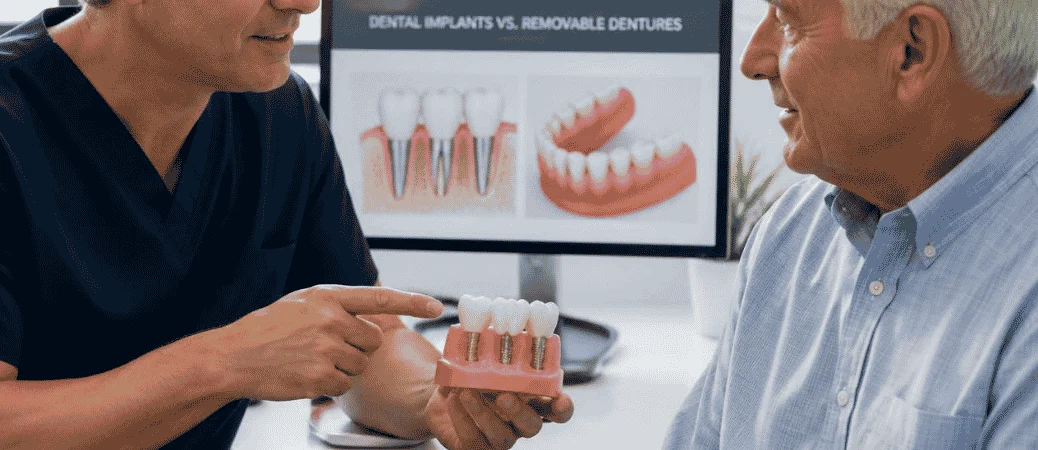
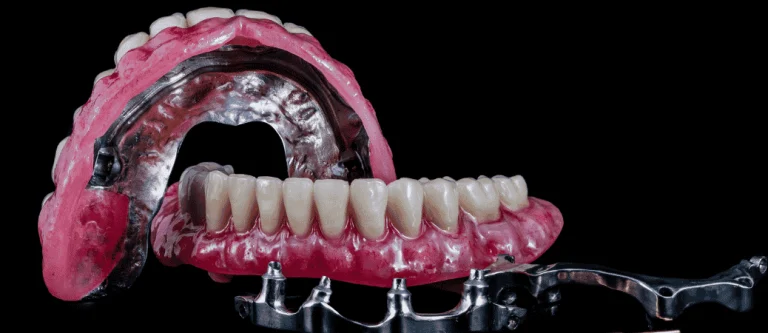
You’ll notice a big difference in all-on-4 implants vs dentures right away. Dentures sit on top of your gums and can shift or slip when you eat or talk.
Implants, on the other hand, are anchored into your jawbone, so they stay put.
Another thing to think about is bone health. Removable dentures don’t stop bone loss in your jaw, since they don’t stimulate the bone the way a natural tooth root does.
Implants help preserve your jawbone because they act like a real root.
Many people find that implants feel more like their own teeth than a removable denture ever could. You won’t need to worry about adhesives or taking them out at night either.
Implants Versus Bridges and Dental Crowns
When comparing dental implants vs bridges, one important difference is how they replace and support a missing tooth.
A dental bridge relies on neighboring teeth for support, which usually requires reshaping those teeth.
A dental implant, on the other hand, replaces the missing tooth independently without relying on the healthy teeth next to it.
Implants don’t touch your other teeth at all. They stand on their own, just like a natural tooth would. This makes them a good choice if you want to protect the rest of your smile.
Dental crowns are often used to cap a damaged tooth, not replace a missing one, so they solve a different problem.
If you’re missing a tooth completely, an implant with a crown on top gives you a stable, independent solution.
Choosing the Right Treatment for a Missing Tooth
The best choice for you depends on a few things, like how much bone you have left, your budget, and how many teeth need replacing.
If you’ve had significant bone loss, you might need a bone graft before getting an implant.
Here’s a quick comparison to help you decide:
| Factor | Dental Implants | Removable Dentures | Bridges |
| Stability | Very stable | Can shift | Stable but relies on neighboring teeth |
| Bone health | Helps preserve bone | Doesn’t stop bone loss | Doesn’t stop bone loss |
| Impact on other teeth | None | None | Alters neighboring teeth |
| Daily care | Brush and floss like normal teeth | Remove and clean daily | Brush and floss like normal teeth |
Depending on your needs, treatments such as Invisalign or veneers may complement your treatment and create a more balanced, confident smile.
At The Smile Company, your treatment plan can be tailored to your oral health, appearance goals, and lifestyle.
Frequently Asked Questions
Here are answers to common questions about how dental implants feel, function, and hold up over the years.
How long does it take for a dental implant to feel natural in your mouth?
Most people say their implant starts to feel normal within a few weeks to a few months. This depends on how fast your gum tissue heals and how well the implant fuses with your jawbone.
Your brain also needs time to adjust to the new tooth. Once you get used to it, most people say the implant feels similar to their natural teeth during everyday activities like eating and talking.
Can you feel a dental implant through your gums?
You might feel slight pressure or firmness where the implant sits under your gums, especially right after it’s placed. This usually fades as your gums heal and settle around the implant.
Once healing is complete, most patients don’t notice the implant through their gum tissue anymore. It should feel stable and secure, not sore or sensitive to the touch.
Do dental implants feel different from natural teeth when chewing?
Implants let you bite and chew with the same strength as natural teeth. However, they don’t have the same nerve endings as your natural tooth roots, so you may notice a slight difference in feedback when chewing.
This doesn’t mean discomfort or weakness. It just means the sensation is a little less detailed than what you’d feel with a natural tooth.
Can other people tell that you have a dental implant?
In most cases, no one can tell you have an implant just by looking at your smile. Dentists design the crown to match the color, size, and shape of your other teeth.
Your implant should also line up naturally with your bite and gum line. This helps it blend in so well that even close friends or family may not notice a difference.
Do dental implants hurt after the healing period?
No, a properly healed implant should not hurt. Once the titanium post has fully joined with your jawbone, there shouldn’t be ongoing pain or soreness.
Implants also don’t have the nerve tissue that natural teeth have, so they can’t develop a cavity or a toothache. If you do notice pain months or years after placement, it’s a good idea to schedule a dental exam.
What changes can happen to dental implants after 20 years?
Implants are built to last for decades, but small changes can happen over time. The crown on top may wear down or need replacement due to daily use, similar to how natural teeth wear down.
Your gum tissue and jawbone can also shift slightly with age. Regular dental checkups help catch these changes early so your implant continues to feel comfortable and function well.