


Getting ready for dental implant surgery can feel overwhelming if you don’t know what to expect. The good news is that proper preparation makes a big difference in how smoothly your procedure goes and how quickly you heal afterward.
Preparing for dental implant surgery involves several key steps: completing a thorough dental evaluation, following pre-surgery instructions like fasting and medication adjustments, planning for recovery time, and making lifestyle changes that support healing.
Each of these steps helps reduce your risk of complications and sets you up for the best possible outcome.
Understanding what happens before, during, and after your dental implant procedure can ease your worries and help you feel more in control.
This guide walks you through everything you need to do to prepare, from your first appointment to the day of surgery and beyond.
Key Takeaways
- Your dentist will review your medical history and take imaging scans to plan the implant placement and check if you need bone grafting
- You’ll need to follow fasting rules, adjust certain medications, and arrange transportation if you’re having sedation
- Recovery preparation includes taking time off work, stocking soft foods, and making lifestyle changes like quitting smoking to improve healing
Table of Content
- Understanding Dental Implants and the Procedure
- Initial Consultation and Evaluation
- Health and Lifestyle Preparation
- Day-of-Surgery Logistics
- Post-Operative Care and Recovery
- Frequently Asked Questions
Understanding Dental Implants and the Procedure
Dental implants are artificial tooth roots placed into your jawbone to support replacement teeth. They work through a natural process where bone fuses with the implant post, creating a stable foundation for your new tooth.
Types of Dental Implants and Components
The most common type is the endosteal implant, which looks like a small screw that goes directly into your jawbone. This is what most people get when they need dental implant surgery.
Each dental implant has three main parts that work together. The implant post is the metal screw placed in your jaw. The abutment is a connector piece that attaches to the post.
The custom crown sits on top and looks like your natural tooth.
Some people need a subperiosteal implant instead. This type sits on top of the jawbone rather than in it. Your dentist might suggest this if your jawbone is too thin or weak for a regular implant post.
All-on-4 implants are another option if you’re missing several teeth. Four implant posts support a full arch of replacement teeth. This saves time and money compared to getting individual implants for each missing tooth.
Benefits of Dental Implant Surgery
Dental implants feel and function like your real teeth. You can eat, speak, and smile without worrying about your tooth replacement slipping or falling out.
They help protect your jawbone from breaking down. When you lose a tooth, the bone beneath it starts to shrink. An implant stops this process by stimulating the bone just like a natural tooth root does.
Unlike bridges, dental implants don’t require grinding down healthy teeth next to the gap. Your surrounding teeth stay untouched and healthy.
Implants can restore your smile and help you look younger. They prevent the sunken face appearance that often happens with missing teeth or dentures. With proper care, dental implants can last decades or even a lifetime.
The Role of the Jawbone and Osseointegration
Your jawbone needs to be thick enough and dense enough to hold the implant post securely. During your first visit, your dentist will check if your bone is healthy and strong.
Osseointegration is the process where your jawbone grows around and bonds with the implant. This usually takes two to six months after your dental implant surgery.
The bone cells actually attach to the titanium post, making it a permanent part of your jaw.
You might need a bone graft if your jawbone is too thin or has deteriorated from damaged teeth or missing teeth. The graft adds new bone material to build up weak areas. You’ll need to wait several months for this new bone to heal before getting your implant.
Good jawbone health is critical for long-term success. That’s why your dentist carefully evaluates your bone during the planning stage.
Initial Consultation and Evaluation
Your first appointment sets the foundation for your entire dental implant process.
During this visit, your dentist or oral surgeon will examine your mouth, review your health background, take detailed images of your jaw, and determine if implants are right for you.

Oral Exam and Medical History Review
Your dentist will start with a thorough oral examination of your teeth, gums, and jaw. They’ll check for any signs of gum disease, tooth decay, or bone loss that could affect the implant.
You’ll need to share your complete medical history during this visit. Be honest about any health conditions you have, including diabetes, heart disease, or autoimmune disorders.
Your dentist needs to know about medications you take, especially blood thinners or bone medications.
This medical history review helps your dental team spot potential complications before surgery. If you smoke or have uncontrolled health conditions, your dentist will discuss how these factors might impact your healing and success rates.
Dental Imaging and 3D Scans
Your dentist will take digital x-rays to see the condition of your jawbone and remaining teeth. These images show if you have enough bone to support an implant.
Most dental offices now use cone beam CT scans for dental implant preparation. This 3D imaging technology gives your oral surgeon a complete view of your jaw structure, nerves, and sinuses.
The CBCT scan helps them plan the exact angle and depth for placing your implant safely.
These scans only take a few minutes. You’ll stand or sit still while the machine rotates around your head.
Candidacy Assessment and Risk Factors
Your dentist will review all the information gathered to decide if you’re a good candidate for implants. Healthy gums and adequate bone density are the two main requirements.
Common factors that may require additional treatment:
- Active gum disease
- Insufficient jawbone volume
- Uncontrolled diabetes
- Heavy smoking or tobacco use
- Certain medications that affect bone healing
If you have any of these issues, your dentist may recommend preparatory treatments. You might need gum disease therapy first or a bone graft to strengthen your jaw.
Some patients need to improve their blood sugar control or quit smoking before moving forward.
Treatment Planning and Timeline
Once you’re approved for implants, your dental team will create a detailed treatment plan. They’ll explain each step of the procedure and what to expect at every stage.
Your implant timeline typically spans several months. The basic schedule includes implant placement surgery, a healing period of 3-6 months for the bone to fuse with the implant, and finally the placement of your permanent crown.
You’ll receive a treatment estimate that breaks down the costs for each phase. This includes the initial surgery, any bone grafting if needed, the abutment placement, and the final crown.
Your dentist will also discuss sedation options and help you schedule your surgery date based on your needs and availability.
Health and Lifestyle Preparation
Getting your body ready for dental implant surgery means more than just showing up on the day of the procedure.
You need to focus on your oral health, manage any medical conditions, and address issues like gum disease or weak jawbone that could affect your results.
Pre-Surgery Oral Hygiene
Your mouth needs to be as clean as possible before surgery to reduce the risk of infection. You should brush and floss thoroughly at least twice a day in the weeks leading up to your procedure.
Your dentist may recommend using an antimicrobial mouth rinse like chlorhexidine to kill bacteria. This is especially important if you have damaged teeth near the implant site.
Maintaining a clean oral environment helps create the best conditions for healing.
On the morning of surgery, brush your teeth gently but thoroughly. Avoid the surgical area if it’s already sensitive.
Some dentists include specific oral hygiene steps in their pre-surgery instructions, so follow exactly what your provider tells you.
Managing Medical Conditions and Medications
Your medical history plays a big role in how well your implant heals. You need to tell your dentist about all health conditions, especially diabetes, heart disease, or autoimmune disorders.
Common medications that may need adjustment:
- Blood thinners (may increase bleeding)
- Diabetes medications (blood sugar control is critical)
- Immune-suppressing drugs (can slow healing)
- Bisphosphonates (may affect bone healing)
Your dentist might prescribe antibiotics to take before surgery to prevent infection. Never stop or change your medications without talking to both your dentist and your regular doctor first.
If you have diabetes, work with your physician to keep your blood sugar under control, as uncontrolled levels can significantly slow healing.
Gum Disease and Periodontal Therapy
You cannot get dental implants if you have active gum disease. The infection will spread to the implant site and cause failure. Your dentist will check for signs of periodontal disease during your evaluation.
If gum disease is found, you’ll need periodontal therapy before moving forward with implants.
This treatment may include deep cleaning, scaling and root planing, or more advanced procedures to eliminate infection. Getting your gums healthy first gives your implant the best chance to succeed.
The healing process from periodontal therapy can take several weeks or months. This delay is necessary to create a stable, infection-free environment for your new implant.
Bone Grafting Considerations
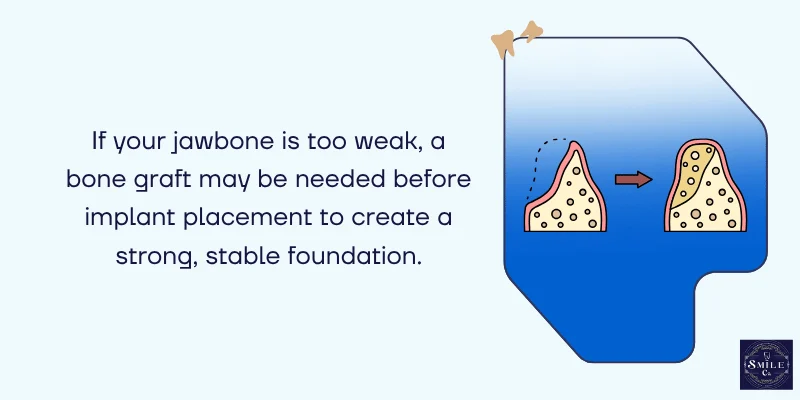
Your jawbone needs to be strong enough to support an implant. If you’ve had missing teeth for a long time, your bone may have deteriorated and become too weak.
A bone graft adds material to strengthen your jaw before implant placement. This procedure may happen months before your actual implant surgery, or sometimes on the same day.
The graft needs time to fuse with your natural bone, which typically takes 3 to 6 months.
Bone grafting considerations are identified through 3D scans or CT imaging during your initial evaluation. Your dentist will explain whether you need this step and how it affects your timeline.
The extra time is worth it because a strong foundation makes implant success much more likely.
Day-of-Surgery Logistics
On the day of your dental implant procedure, you’ll need to follow specific fasting rules, understand your sedation choices, know what happens during implant placement, and arrange for someone to help you get home safely.
Pre-Operative Instructions and Fasting
Your oral surgeon will give you clear pre-surgery instructions to follow before your dental implant procedure.
If you’re having IV sedation or general anesthesia, you’ll need to avoid eating or drinking anything for 6 to 8 hours before your appointment. This includes water, coffee, and even gum.
The fasting guidelines help prevent complications during sedation. If you’re only getting local anesthesia, you may not need to fast at all, but you should confirm this with your dental team.
On the morning of surgery, brush your teeth gently and rinse with an antimicrobial mouthwash if your dentist recommended one.
Don’t wear makeup, especially around your mouth, as it can interfere with the procedure. Take any medications your dentist approved with a small sip of water if needed.
Sedation Options and Local Anesthesia
You’ll have several sedation options available depending on your comfort level and the complexity of your implant surgery
Local anesthesia numbs just the surgical area and keeps you fully awake during the procedure. This works well for single implants and patients who aren’t anxious.
Oral sedation involves taking a pill before surgery to help you relax while staying conscious. IV sedation puts you in a deeper state of relaxation where you’ll have little memory of the procedure.
General anesthesia makes you completely unconscious and is typically reserved for complex cases or patients with severe dental anxiety.
Your dentist will help you choose the right option based on how many implants you need, your medical history, and your comfort level.
What to Expect During Implant Surgery
When you arrive at the office, the surgical team will review your consent forms and medical history one last time. After your anesthesia takes effect, your oral surgeon will make a small incision in your gum tissue to expose the jawbone.
The dentist uses precision drilling tools to create a space in the bone for the implant. They’ll then place the titanium implant post into your jaw and close the gum tissue with stitches.
The entire process usually takes 1 to 2 hours per implant.
You won’t feel pain during the procedure because of the anesthesia. You might feel pressure or vibrations, but these sensations are normal and not uncomfortable.
Arranging Transportation and Support
If you’re having IV sedation or general anesthesia, you must have a responsible adult drive you home after your dental implant procedure. Most dental offices won’t perform surgery unless you confirm someone will be there to pick you up.
Your driver should plan to stay nearby during the procedure or be available to arrive quickly when you’re ready.
The effects of sedation can last several hours, so you shouldn’t drive, operate machinery, or make important decisions for at least 24 hours.
It’s also helpful to have someone stay with you for the first few hours after you get home. They can help you with medications, prepare soft foods, and watch for any unusual symptoms that need medical attention.
Post-Operative Care and Recovery
The first few days after dental implant surgery require careful attention to healing, pain control, and diet changes.
Following proper aftercare steps and attending your scheduled check-ups helps ensure your implant integrates successfully with your jawbone.
Immediate Aftercare and Home Preparation
You should bite down gently on the gauze pad placed over the surgical site for 30 to 45 minutes after your dental implant surgery. Keep your head elevated with pillows for the first few nights to reduce swelling.
Apply an ice pack to your face in 20-minute intervals during the first 24 hours. This helps minimize swelling and discomfort around the implant area.
Avoid rinsing your mouth vigorously or touching the surgical site with your tongue or fingers. You can gently rinse with warm salt water starting 24 hours after surgery to keep the area clean.
Most dental implant aftercare instructions emphasize rest during the first 48 hours.
Stock your home with soft foods, ice packs, and prescribed medications before your procedure. Having these items ready makes your recovery easier and less stressful.
Managing Pain, Swelling, and Bleeding
Your doctor will prescribe pain medication or recommend over-the-counter options like ibuprofen. Take these medications as directed, preferably with food to avoid stomach upset.
Common symptoms in the first week:
- Mild to moderate pain
- Swelling that peaks around day 2-3
- Minor bleeding or oozing
- Light bruising around the jaw
Swelling is a normal part of the dental implant process and typically improves after three to four days. Continue using ice packs during the first 24 hours, then switch to warm compresses if swelling persists.
Some bleeding is normal for the first day. If bleeding continues, bite down on a moistened tea bag for 30 minutes. The tannic acid in tea helps blood clot. Contact your dentist if bleeding doesn’t slow down after several hours.
Soft Diet and Nutrition After Surgery

Stick to cold, soft foods like yogurt, smoothies, and ice cream for the first 24 hours. These foods won’t disturb the surgical site and help reduce inflammation.
Recommended foods for the first week:
- Mashed potatoes
- Scrambled eggs
- Protein shakes
- Soup (lukewarm, not hot)
- Oatmeal
- Soft pasta
Avoid hard, crunchy, or chewy foods that could damage the implant site. Don’t use straws because the sucking motion can dislodge blood clots and delay healing.
Stay hydrated by drinking plenty of water throughout your recovery. Proper nutrition supports your body’s natural healing process and helps you restore your smile faster.
Gradually introduce regular foods as your comfort level improves, usually after one to two weeks. Listen to your body and don’t rush this transition.
Follow-Up Appointments and Long-Term Maintenance
Your dentist will schedule follow-up appointments to monitor healing and check for complications. The first visit typically occurs within one to two weeks after surgery.
These appointments allow your dentist to ensure the implant is integrating properly with your bone. They’ll also remove any stitches if needed and assess your oral hygiene practices.
Once healing is complete after several months, your dentist will attach the abutment and custom crown to finish restoring your smile. This final step requires another minor procedure but is much less involved than the initial surgery.
Long-term care includes:
- Brushing twice daily with a soft-bristled toothbrush
- Flossing carefully around the implant
- Using antimicrobial mouthwash
- Avoiding tobacco products
- Visiting your dentist every six months
Proper oral hygiene keeps your implant healthy for decades. Treat your implant just like your natural teeth with regular cleaning and professional check-ups.
Frequently Asked Questions
Many people have similar concerns when planning for dental implant surgery.
Understanding what to do before your appointment, which medications need adjusting, and what the procedure involves can help you feel more confident and prepared.
What should I do in the week before dental implant surgery to get ready?
Focus on keeping your mouth as clean as possible during the week leading up to your surgery. Brush and floss carefully twice a day, and your dentist may recommend using an antimicrobial mouth rinse to reduce bacteria levels.
If you smoke, this is the time to stop. Smoking reduces blood flow to your gums and can make healing much slower and less successful.
Stock your kitchen with soft foods like yogurt, applesauce, mashed potatoes, and smoothies. You’ll need these for the first few days after surgery when chewing will be difficult.
Arrange for someone to drive you home if you’ll be receiving sedation. Most dental offices won’t perform the procedure unless you have confirmed transportation.
Which medications or supplements should I stop (or keep taking) before my implant procedure?
Tell your dentist about every medication and supplement you take. Some need to be paused before surgery while others should continue.
Blood thinners like aspirin, warfarin, or certain supplements such as fish oil and vitamin E may need to be stopped several days before your procedure.
These can increase bleeding during and after surgery. Never stop these medications on your own—your dentist will coordinate with your doctor to make safe adjustments.
If you take medication for diabetes, your doctor may adjust your dosage since you’ll be fasting before surgery. Keep taking medications for blood pressure, heart conditions, and other chronic health issues unless your dentist specifically tells you to stop.
Your dentist might prescribe antibiotics to start before your surgery. Taking these as directed helps lower the risk of infection during the procedure.
What can I eat or drink the day before and the morning of surgery?
The day before your surgery, eat normally and stay well hydrated. Drinking plenty of water helps your body prepare for the procedure.
Your fasting instructions depend on what type of anesthesia you’ll receive. If you’re getting local anesthesia only, you may be allowed to eat a light meal a few hours before your appointment.
For sedation or general anesthesia, you’ll typically need to avoid all food and drinks, including water, for 6 to 8 hours before surgery. This prevents complications during the procedure.
Always confirm your specific fasting guidelines with your dental office. Following these instructions exactly is important for your safety.
What happens during the dental implant procedure, step by step?
Your dentist will start by numbing the area with local anesthesia. If you’re receiving sedation, that will be administered first to help you relax.
Once you’re numb, the dentist makes a small incision in your gum to expose the jawbone. They then use special drills to create a precise hole in the bone where the implant will go.
The titanium implant post gets carefully placed into this hole. It sits below the gum line and will eventually fuse with your bone over several months.
A protective cover or healing cap is attached to the top of the implant. Your gum tissue is then stitched closed around it.
The entire process typically takes 1 to 2 hours per implant. Some patients receive a temporary crown right away, while others wait for the implant to heal before the final tooth is attached.
What side effects or complications should I watch for after getting an implant?
Some bleeding, swelling, and bruising around the implant site is normal for the first few days. You can manage this with ice packs and keeping your head elevated.
Mild to moderate pain is expected and usually responds well to over-the-counter pain relievers or prescribed medication. The discomfort should gradually decrease each day.
Watch for signs of infection, which include severe pain that gets worse instead of better, fever, excessive swelling, pus or bad-tasting drainage, or red streaks spreading from the surgical site. Contact your dentist right away if you notice any of these symptoms.
Nerve damage is rare but can cause numbness or tingling in your lips, tongue, or chin. This usually resolves on its own but should be reported to your dentist.
If the implant feels loose or you experience sudden sharp pain weeks after surgery, this could indicate the implant isn’t integrating properly with the bone. Schedule an appointment as soon as possible.
How much do dental implants usually cost, and what factors can change the price?
A single dental implant typically costs between $3,000 and $6,000. This includes the implant post, the abutment that connects to it, and the crown that looks like your tooth.
Several factors affect the final price. If you need bone grafting to strengthen your jaw, that adds $300 to $3,000 depending on how extensive it is. Tooth extractions, sinus lifts, or treatment for gum disease will also increase costs.
The location of the missing tooth matters too. Front teeth are often less expensive to replace than back molars, which require larger, stronger implants.
Your geographic location and the experience level of your oral surgeon can influence pricing. Specialists in major cities typically charge more than general dentists in smaller towns.
Most dental insurance plans cover only a portion of implant costs, often treating them as cosmetic procedures. Many dental offices offer payment plans to help spread the cost over time.