Do Any of These Sound Familiar?
If you recognized yourself in that list, there is a path forward worth knowing about.
What Happens If You Wait?
Bone Loss Accelerates
Missing roots no longer stimulate the jaw, causing the bone to shrink further with every passing month.
Fewer Options Remain
Continued bone loss can eliminate candidacy for restorations that are still within reach today.
Facial Structure Shifts
The sunken, aged appearance associated with tooth loss deepens the longer bone support is absent.
Costs Grow Over Time
More complex conditions at the time of treatment typically require more extensive work and greater investment.
Confidence Keeps Fading
Months and years of hiding your smile compound into patterns that are hard to break.
Chewing Becomes Harder
Nutritional choices narrow as your ability to eat comfortably continues to decline.
The sooner you act, the simpler and more straightforward your path to restoration becomes.
What Are Zygomatic Implants and How Do They Work?
Zygomatic implants are a specialized type of dental implant anchored into the zygomatic bone (your cheekbone) rather than the upper jawbone. Because they bypass the jaw entirely, they offer a viable solution for patients who have experienced significant bone loss in the upper arch and would otherwise require extensive bone grafting before any restoration could begin. The implants are longer than standard implants and angled precisely to reach the dense, reliable structure of the cheekbone, providing a secure foundation for a fixed full arch prosthesis.
At The Smile Company, we approach zygomatic implants with the same thorough planning we apply to every complex restoration. Using advanced 3D imaging, Dr. Jacob maps your bone structure in detail before treatment begins, allowing for precise placement specific to your anatomy. For patients in Greenville, SC seeking zygomatic implants, this level of planning means your treatment is as predictable and efficient as possible.
Get Your FREE Dental Implant Pricing Guide + $450 Savings
In the guide, you’ll learn about:
- Dental Implant Options
- Factors That Affect Your Eligibility
- Average Pricing
Benefits of Zygomatic Implants
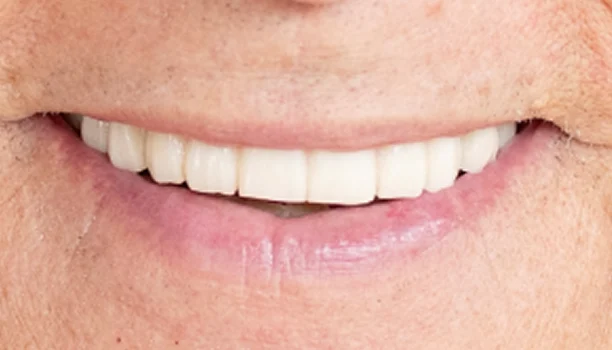
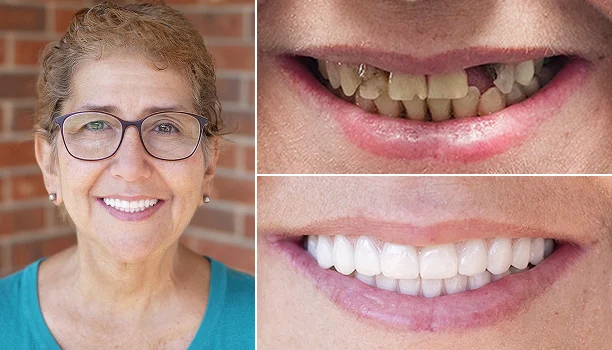
See What's Possible for Your Smile
Before
After
Be our Next Success Story!
Request an appointment with one of our doctors and start your smile journey today.
Are Zygomatic Implants the Right Fit for You?
Not Sure If You Qualify?
What to Expect With Zygomatic Implant Treatment
Comprehensive Consultation and Imaging
Your treatment begins with a detailed conversation about your goals, health history, and concerns. We use advanced 3D imaging to create a precise map of your bone structure. This gives Dr. Jacob a complete picture of your anatomy before a single instrument is touched, and it gives you a clear understanding of exactly what your treatment will involve.
Treatment Planning and Prosthesis Design
Using your imaging data, Dr. Jacob develops a precise surgical plan specific to your bone structure and restoration goals. Our in-house lab begins work on your prosthesis during this phase, so your custom teeth are being prepared in parallel with your surgical preparation. You leave this step knowing exactly what to expect on treatment day.
Implant Placement
On the day of your procedure, IV sedation is available to keep you relaxed and comfortable throughout. Dr. Jacob places the zygomatic implants with accuracy guided by the plan developed in Step 2. Because everything happens under one roof, including surgery, anesthesia, and the lab, you are in the hands of a single coordinated team from start to finish.
Temporary Restoration
Following placement, a temporary prosthesis is secured to the implants so you leave with functional, stable teeth. You will be able to eat soft foods and speak normally while your implants integrate with the cheekbone over the coming months.
Final Prosthesis Delivery
Once integration is confirmed, your custom final prosthesis is delivered and fitted. This is the moment patients often describe as life-changing. Your final teeth are crafted in our in-house lab to fit your face, match your preferences, and give you a complete, natural-looking smile built to serve you for decades.
Ready to Move Forward With a Permanent Smile?
What to Expect After Zygomatic Implant Treatment
First 24-48 Hours
You will likely experience some swelling, mild tenderness, and fatigue in the first couple of days following your procedure. Rest is important during this window. Most patients manage comfortably with prescribed medication and find that keeping their head elevated and sticking to soft foods makes a meaningful difference. The majority of our patients tell us this phase felt shorter and more manageable than they expected.
First 1-2 Weeks
Swelling continues to reduce during the first two weeks, and most patients return to light daily activities within a few days of treatment. A soft food diet remains important while the initial healing takes place. You will have clear guidance on what to eat, how to care for your temporary prosthesis, and what signs indicate normal healing progress.
Long-Term Healing
Full integration of zygomatic implants into the cheekbone typically takes several months. During this period, regular check-ins with our team allow us to monitor your healing and confirm that everything is progressing well. Patients generally find this phase straightforward, with no significant disruption to daily life once the first two weeks pass.
Questions About Recovery? We are here to help.
Flexible Payment Plans for Your Smile
NO Credit Score Impact Until Plan Selected.
Don't Wait to Smile. Check out Our Payment Options.
Zygomatic Implant FAQs
What makes zygomatic implants different from standard dental implants?
Will I need bone grafting with zygomatic implants?
How long does the zygomatic implant process take from start to finish?
Is the procedure painful?
Am I a candidate if I have worn dentures for many years?
How experienced does my provider need to be for this procedure?
What does recovery look like on a day-to-day basis?
How long will zygomatic implants last?
What type of prosthesis is attached to zygomatic implants?
How do I find out if I am a candidate?
Still Have Questions?