Does Any of This Sound Familiar?
You're not alone in this, and you don't have to keep settling. A lasting solution for multiple missing teeth may be closer than you think.
What Happens If You Keep Waiting?
Bone Loss Accelerates
The jawbone beneath a gap shrinks faster than most people realize, narrowing your options.
Neighboring Teeth Shift
Adjacent teeth begin tilting into the empty space, affecting your bite over time.
Treatment Gets More Complex
The longer the gap remains, the more preparation your jawbone may need before restoration.
Costs Rise Over Time
Addressing complications from untreated tooth loss typically requires more extensive treatment.
Chewing Patterns Worsen
Compensating for missing teeth puts uneven pressure on remaining teeth, causing premature wear.
Facial Structure Changes
Without tooth roots stimulating the jawbone, your facial profile can begin to change.
The sooner you address multiple missing teeth, the simpler and more straightforward your path to a complete smile becomes.
What Is an Implant-Supported Bridge?
An implant-supported bridge (a fixed restoration that replaces multiple missing teeth in a row) works by anchoring a set of replacement teeth to dental implants placed in your jawbone rather than relying on neighboring natural teeth for support. Two or more titanium posts are placed at each end of the gap, and a custom bridge spans across them, restoring full function and a natural appearance. Unlike a traditional bridge, no healthy adjacent teeth need to be reduced or altered in any way.
At The Smile Company, our approach to implant-supported bridges in Greenville, SC combines 3D imaging and precise surgical planning to ensure every implant is positioned for long-term stability. Our in-house surgical center, implantologist, and on-site lab allow us to manage every step of your care under one roof, from the initial scan through final restoration placement.
Which Implant-Supported Bridge Option Is Right for You?
| Factor | Fixed Bridge | Removable Bridge |
|---|---|---|
| Best suited for | Patients wanting permanent stability | Patients preferring flexibility in care |
| Stability | Fully anchored, does not move | Implant-anchored, can be removed |
| Removal | Not removable by patient | Removable for cleaning |
| Maintenance | Brushing and flossing around bridge | Removed and cleaned separately |
| Number of implants | Typically 2 | Typically 2-4 |
| Comfort level | Feels most like natural teeth | Stable, with slight adjustment period |
| Long-term durability | Decades with proper care | Decades with proper care |
| Key consideration | Permanent commitment | Easier access for cleaning |
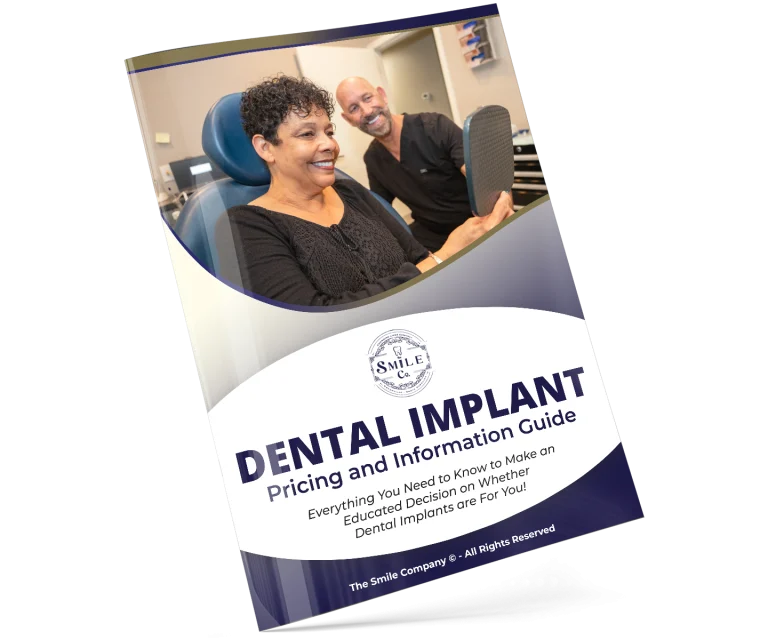
Get Your FREE Dental Implant Pricing Guide + $450 Savings
In the guide, you’ll learn about:
- Dental Implant Options
- Factors That Affect Your Eligibility
- Average Pricing
Benefits of Implant-Supported Bridges
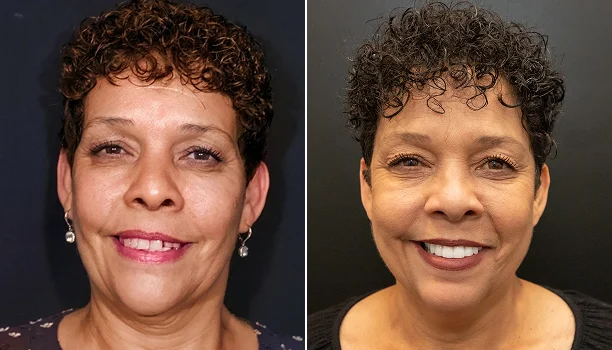
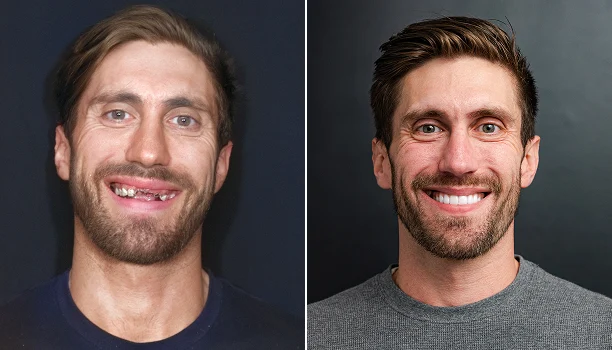
See What's Possible for Your Smile
Be our Next Success Story!
Request an appointment with one of our doctors and start your smile journey today.
Is an Implant-Supported Bridge Right for You?
Not Sure If You Qualify?
What to Expect With Your Implant-Supported Bridge
Consultation and Planning
You'll meet with Dr. Jacob for a thorough evaluation that includes 3D imaging of your jaw. This scan gives us a precise picture of your bone structure, allowing us to map exactly where each implant will be placed. You'll leave with a complete, personalized treatment plan and a clear understanding of what's ahead.
Implant Placement
On your procedure day, the implant sites are gently numbed so you remain comfortable throughout. Dr. Jacob surgically places titanium posts into your jawbone at each anchor point. Most patients are surprised by how manageable the experience feels. Sedation options are available to ensure you feel relaxed from start to finish.
Healing and Integration
Over the following months, the titanium posts fuse with your jawbone through a natural process called osseointegration (where the implant and bone become one stable unit). This phase creates the permanent foundation your bridge will rest on. We monitor your progress at regular checkpoints and are always available with any questions.
Abutment Placement
Once your implants have fully integrated, we place small connector pieces called abutments onto each post. These pieces link the implant to your final bridge. This appointment is brief and comfortable, requiring only minimal time in the chair.
Bridge Delivery and Final Fit
Your custom bridge, crafted in our on-site lab, is attached and carefully adjusted for a precise fit. You'll leave with a complete smile that looks, feels, and functions like natural teeth. Dr. Jacob will confirm your bite is comfortable and everything is exactly right before you walk out the door.
Ready to Start Your Path to a Complete Smile?
Recovery After Your Implant-Supported Bridge
First 24-48 Hours
Some mild swelling and tenderness around the implant sites is completely normal and typically peaks within the first day. Rest as much as you can, stick to soft foods, and avoid rinsing vigorously. Most patients find over-the-counter comfort measures are all they need during this window.
First 1-2 Weeks
Tenderness fades steadily, and most patients return to their regular routines within a few days. You'll continue with soft foods and gentle oral hygiene around the implant area. By the end of the first two weeks, most patients feel back to normal and are comfortable going about their day without any notable limitations.
Long-Term Healing
Osseointegration (the process where your implants fuse with the jawbone) continues over the following months. During this phase, the implants are stable, and your temporary restoration handles everyday function. Regular checkups allow us to confirm integration is progressing well and prepare for your final bridge placement.
Questions About Recovery? We're here to help.
Implant-Supported Bridge vs. Traditional Bridge and Partial Dentures
| Factor | Implant-Supported Bridge | Traditional Bridge | Partial Dentures |
|---|---|---|---|
| Stability | Fully fixed, no movement | Fixed to adjacent teeth | Removable, some movement |
| Bone preservation | Yes, stimulates jawbone | No bone stimulation | No bone stimulation |
| Adjacent teeth impact | No damage to adjacent teeth | Requires reshaping healthy teeth | No alteration required |
| Longevity | Decades with proper care | 10-15 years typically | 5-10 years typically |
| Maintenance | Brush and floss normally | Brush, floss carefully at margins | Remove and clean daily |
| Chewing function | Full, natural chewing strength | Very good | Moderate |
| Comfort level | Feels like natural teeth | Very comfortable | Adjustment period expected |
| Initial investment | Higher upfront cost | Moderate cost | Lower upfront cost |
| Long-term value | Strong; less replacement needed | Moderate; may need future replacement | Lower; frequent adjustments or replacement |
| Removable | No | No | Yes |
Flexible Payment Plans for Your Smile
NO Credit Score Impact Until Plan Selected.
Don't Wait to Smile. Check out Our Payment Options.
Implant-Supported Bridge FAQs
How is an implant-supported bridge different from a traditional dental bridge?
How long does the full treatment process take?
Is the implant placement procedure painful?
Am I a good candidate if I've had bone loss in my jaw?
How do I clean an implant-supported bridge?
How long will my implant-supported bridge last?
What happens if I don't replace my missing teeth?
Can the bridge be placed the same day as the implants?
Will my bridge look natural?
Are payment options available for implant-supported bridges?
Still Have Questions?