We Hear This From Patients Every Day
If that list felt familiar, real solutions exist. Full mouth rehabilitation is designed to address these challenges together, not one at a time.
Delaying Treatment Has Real Costs
Neighboring Teeth Under Stress
Damaged and missing teeth shift the load to surrounding ones, accelerating wear and raising the risk of further loss.
Treatment Grows More Involved
The longer multiple issues go unaddressed, the more complex your eventual treatment will need to be.
Costs Tend to Climb
Addressing compounding dental problems earlier typically requires less intervention than waiting until conditions worsen significantly.
Bone Loss Moves Quietly
Missing teeth contribute to gradual bone loss in the jaw, which narrows future treatment options over time.
Bite Problems Intensify
Jaw misalignment and uneven bite pressure tend to deepen without correction, affecting daily comfort and function.
Another Year Without Change
Every month that passes is another month of avoiding foods, conversations, and moments you deserve to enjoy fully.
Starting sooner means a cleaner path and a more straightforward treatment plan.
What Does Full Mouth Rehabilitation Actually Involve?
Full mouth rehabilitation is a coordinated approach to rebuilding your smile when several dental concerns need to be resolved at the same time. Rather than treating each problem in isolation, it brings together whichever restorative and cosmetic treatments your mouth specifically needs, organized into one unified plan. This might include dental implants (permanent tooth replacements), crowns, gum treatment, or bite correction, all selected based on your individual condition and goals, and sequenced so each phase supports the next.
Patients seeking full mouth rehabilitation in Greenville, SC benefit from the fact that the team at The Smile Company manages every part of that care under one roof, from an on-site lab that crafts custom restorations to board-certified anesthesiologists who provide IV sedation when needed. That integrated approach means your treatment is planned together rather than pieced together, which supports a more predictable, coordinated outcome for you.
Benefits of Full Mouth Rehabilitation
See What's Possible for Your Smile
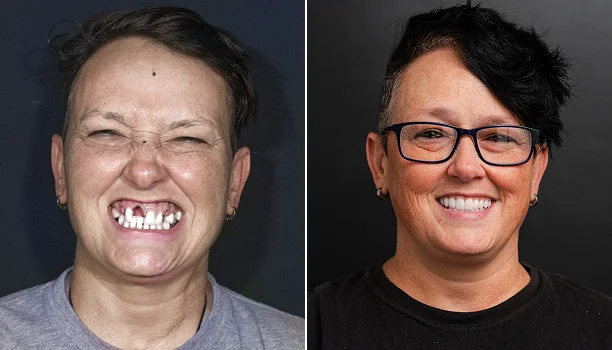
Be our Next Success Story!
Request an appointment with one of our doctors and start your smile journey today.
Who Is a Good Candidate for Full Mouth Rehabilitation?
One Question Worth Asking
Your Full Mouth Rehabilitation Step by Step
Comprehensive Evaluation
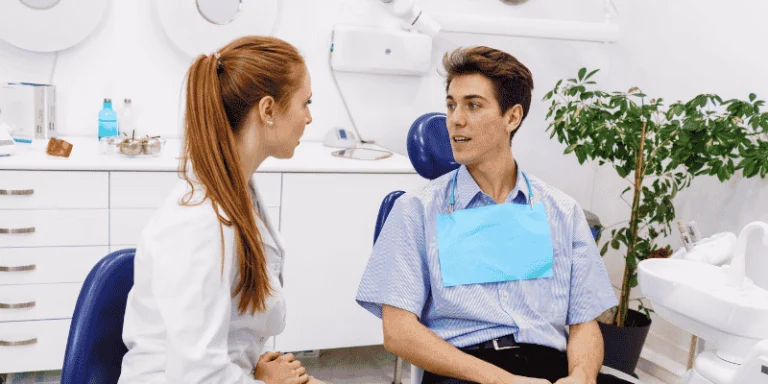
Your care begins with a thorough examination of your teeth, gums, bite, and jaw. Dr. Jacob takes time to understand your full dental history, your concerns, and what you want your smile to accomplish. Advanced imaging gives us a complete picture so nothing is overlooked. By the end of this visit, you'll have real clarity on what's happening and what your options are.
Personalized Treatment Planning
Once your evaluation is complete, we build a fully coordinated plan around your specific needs. This step maps out which treatments are recommended, in what order, and how they work together toward your final result. You'll review everything with Dr. Jacob before anything begins, and our on-site lab is involved from this stage to support the precision and fit of your restorations.
Foundational Care
Depending on your plan, this phase addresses structural and health priorities first, including any tooth removal, implant placement, gum treatment, or other foundational work. IV sedation is available so you remain completely comfortable throughout. Most patients are genuinely relieved by how smooth this phase feels compared to what they anticipated.
Restorations and Rebuilding
With your foundation in place, your smile begins taking shape. Crowns, bridges, implant restorations, or other custom pieces crafted in our on-site lab are placed to restore both function and appearance. Fit, feel, and aesthetics are all considered carefully at this stage, and you'll start to see and feel your bite coming together the way it should.
Final Results and Follow-Through
Your final visit confirms everything is working and looking exactly as planned. Dr. Jacob walks through your ongoing care routine and schedules follow-up visits to protect your results long-term. Patients often describe this appointment as the moment it all becomes real. You leave with a fully functional, fully restored smile and a team that stays available to you going forward.
Ready to See What a Restored Smile Feels Like?
Recovering From Full Mouth Rehabilitation
First 24-48 Hours
Some mild tenderness and swelling in treated areas is completely normal during this window. Rest is the priority, and soft foods will make things more comfortable. Over-the-counter pain relief or prescribed medication is typically all that's needed, and most patients find this phase passes quickly once they settle in.
First 1-2 Weeks
You'll notice gradual improvement as tissue heals and your bite begins to settle into place. Softer foods and a lighter pace are recommended, but most patients resume routine daily activities within a few days. Any mild sensitivity during this period is a normal part of the healing process, and it steadily decreases as the weeks go on.
Long-Term Healing
For treatment involving dental implants, deeper healing continues below the surface as implants fuse naturally with the jawbone over several months. During this time, you'll feel and function normally in day-to-day life. Follow-up visits allow us to track progress and confirm everything is integrating as planned.
Questions About Your Recovery? We're here when you need us.
Flexible Payment Plans for Your Smile
NO Credit Score Impact Until Plan Selected.
Don't Wait to Smile. Check out Our Payment Options.
Full Mouth Rehabilitation FAQs
What exactly does full mouth rehabilitation involve?
How is full mouth rehabilitation different from just getting several treatments done over time?
Is the process painful?
How long does full mouth rehabilitation take from start to finish?
Will my results look like natural teeth?
What if I've been told I don't have enough bone for implants?
What role does sedation play during treatment?
How do I take care of my results long-term?
I've been managing dental problems for years. Is it too late for full mouth rehabilitation?
How do I take the first step?
Still Have Questions?