


Getting dental implants is a big step toward restoring your smile, but the recovery process can feel uncertain if you don’t know what to expect.
Swelling after dental implant surgery is normal, yet they vary from person to person based on factors like the number of implants placed, your overall health, and how well you follow aftercare instructions.
Most swelling peaks around 48 to 72 hours after surgery and gradually decreases over the next week, while bruising may appear darker before fading to lighter shades.
Understanding this timeline helps you recognize what’s normal versus what requires a call to your dental team.
Some people experience minimal puffiness, while others see more noticeable facial swelling depending on surgical complexity.
The good news is that you have control over how smoothly your recovery goes.
Simple steps like applying cold compresses, keeping your head elevated, and eating the right foods can make a real difference in how quickly you heal and how comfortable you feel during the process.
Key Takeaways
- Swelling peaks within 2-3 days after surgery and resolves within 7-10 days with proper care
- Individual factors like the number of implants placed and your health status affect how much swelling and bruising you experience
- Following aftercare instructions including cold therapy, elevation, and dietary modifications helps minimize discomfort and speeds healing
Table of Content
- Understanding Swelling and Bruising After Implant Surgery
- Dental Implant Healing Timeline and Stages
- Effective Management of Swelling and Bruising
- The Role of the Healing Abutment and Osseointegration
- Booking a Consultation and Addressing Implant Concerns
- Frequently Asked Questions
Understanding Swelling and Bruising After Implant Surgery
Swelling and bruising are normal responses when your body heals from dental implant surgery, though the severity and duration vary from person to person.
Your body’s natural inflammatory process causes these reactions, and most cases resolve within one to two weeks.
Why Swelling and Bruising Occur
When you undergo dental implant surgery, your body treats it like any other injury. Your immune system sends blood cells and fluids to the surgical area to start healing. This creates swelling around the implant site.
Swelling after dental implants is primarily caused by the body’s inflammatory response. Blood vessels expand to allow more healing cells to reach the area.
This increased blood flow is necessary for proper recovery.
Bruising happens when small blood vessels break during surgery. Blood leaks into nearby tissues and shows up as dark marks on your skin.
The bruising often appears yellow, purple, or blue.
Your jaw and face have many blood vessels, which explains why bruising is common with dental implants. The amount of bruising depends on surgical complexity and your individual healing traits.
What Is Normal vs. Concerning
Normal healing signs include:
- Swelling that peaks at 2-3 days after surgery
- Bruising that appears within 24 to 48 hours
- Mild to moderate discomfort
- Gradual improvement after the third day
Most patients see their swelling decrease significantly by day seven. Bruising typically fades within 10-14 days as your body reabsorbs the blood.
Warning signs that need attention:
- Swelling that gets worse after day four
- Severe pain that doesn’t improve with medication
- Fever above 101°F
- Pus or bad-smelling discharge
- Excessive bleeding that won’t stop
These symptoms could indicate infection or complications, not implant rejection. True implant rejection is rare because dental implants use titanium, which your body accepts well.
Individual Healing Differences
Your age affects how quickly you heal. Younger patients often see swelling and bruising resolve faster than older adults. Your body’s repair systems work more efficiently when you’re younger.
People who smoke experience more swelling and longer healing times. Smoking restricts blood flow to your gums and jaw, which slows recovery.
Your overall health plays a major role in post-surgical swelling. Conditions like diabetes or immune disorders can extend healing time. Medications that thin your blood increase bruising risk.
The number of implants you receive matters too. Multiple implants create more trauma and typically cause more swelling.
Single implant procedures usually have milder reactions.
Some people naturally produce more inflammatory response than others. Genetics influence how your body reacts to surgery, which explains why two patients with similar procedures may heal differently.
Dental Implant Healing Timeline and Stages
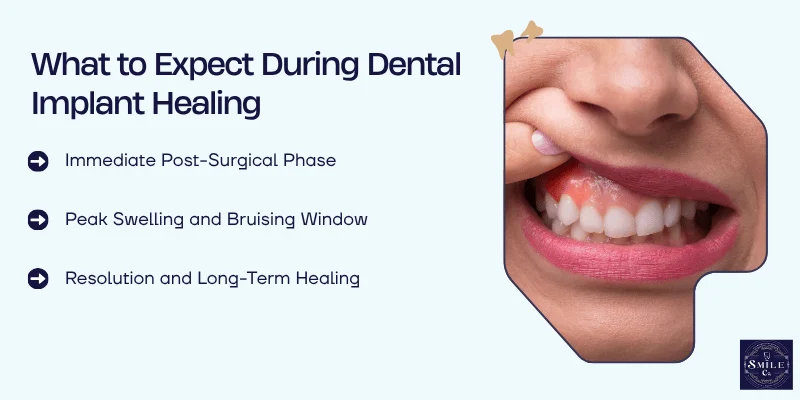
The dental implant procedure triggers a healing process that unfolds in distinct phases, beginning with immediate post-surgical changes and progressing through peak inflammation before settling into long-term bone integration.
Immediate Post-Surgical Phase
Right after your dental implant procedure, your body starts responding to the surgical site within hours. Swelling typically begins within 2-4 hours after the surgery ends.
You’ll also notice some bleeding and possibly numbness around your lips or chin, especially if you had bone grafting done alongside the implant placement.
During the first 24 hours, your body sends extra blood flow to the area to start the healing process. This increased circulation causes the tissues around your implant to swell.
You might feel some discomfort or tenderness at the implant site.
This early phase is when you need to be most careful with your care routine. Using ice packs during these first hours helps control how much swelling develops.
Keep your head elevated even while sleeping to reduce fluid buildup around the surgical area.
Peak Swelling and Bruising Window
Swelling usually peaks between 48 and 72 hours after your surgery. This is when you’ll look the most puffy, and it’s completely normal.
Bruising often shows up during this time too, sometimes spreading down to your neck or chest depending on where your implant was placed.
The implant healing stages during days 2-3 involve the most visible inflammation. Your face might feel tight or tender to touch.
Some people experience more swelling than others, particularly if they had multiple implants placed or needed bone grafting.
After day three, you should notice swelling starting to go down gradually. By the end of the first week, there’s typically a major reduction in puffiness.
Minor swelling can stick around for another week or two, but the worst is behind you at this point.
Resolution and Long-Term Healing
While visible swelling resolves within 7-14 days, the deeper dental implant healing continues for months. The real work happens beneath your gums as osseointegration takes place.
This is when your jawbone actually fuses with the titanium implant post.
Soft tissue healing around the implant site takes about 2-3 weeks. During this time, your gums close over or around the implant and the surface inflammation disappears.
You can usually return to normal eating habits by week two or three.
The dental implant recovery timeline for complete osseointegration takes 3-6 months. Your bone cells gradually grow around the implant threads, creating a solid foundation.
You won’t feel this happening, but it’s the most important part of the healing process for long-term implant success.
Effective Management of Swelling and Bruising
Managing swelling and bruising properly can make your dental implant recovery much more comfortable.
Simple steps like applying cold compresses and keeping your head elevated can significantly reduce these common side effects.
Home Care Tips for Swelling
Swelling typically peaks 48-72 hours after dental implant surgery. You can control this by applying cold compresses to the affected area during the first two days.
Apply ice packs for 15-20 minutes at a time, then take a break. Don’t place ice directly on your skin. Instead, wrap it in a thin towel to protect your face.
Keep your head elevated while resting or sleeping. Use 2-3 pillows to prop yourself up. This position helps reduce blood flow to the surgical site and minimizes swelling.
After the first 48-72 hours, you can switch to warm compresses if swelling persists. The warmth helps increase circulation and speeds up healing.
Take any anti-inflammatory medications your dentist prescribed exactly as directed.
Reducing Bruising After Surgery
Bruising around your face or neck is normal after dental implant surgery. Applying arnica gel and eating foods rich in vitamins C and K can help reduce bruising faster.
Avoid activities that could make bruising worse. Don’t bend over or lift heavy objects during the first week.
These actions increase blood pressure in your head and can worsen bruising.
Stay away from blood-thinning substances like alcohol and aspirin unless your dentist approves them. These can increase bleeding and make bruises darker.
Most bruising will fade from dark colors to lighter shades within 7-10 days.
Eat soft, nutrient-rich foods that support healing. Yogurt, smoothies, and mashed vegetables provide vitamins without requiring you to chew hard.
When to Call Your Dentist
Contact your dentist immediately if swelling worsens after day 3 instead of improving. This could signal a complication that needs attention.
You should also call if you experience any of these warning signs:
- Swelling that persists beyond 10-14 days without improvement
- Fever or signs of infection
- Severe pain that doesn’t respond to prescribed medication
- Excessive bleeding that won’t stop with gentle pressure
- Difficulty breathing or swallowing
These symptoms are rare but require professional evaluation. Your dental implant recovery time depends partly on catching and treating any issues early.
Don’t wait if something feels wrong with your healing process.
The Role of the Healing Abutment and Osseointegration
The healing abutment shapes your gum tissue while your jawbone fuses with the implant through osseointegration.
These two processes work together to create a stable foundation for your final tooth replacement.
What Is a Healing Abutment?
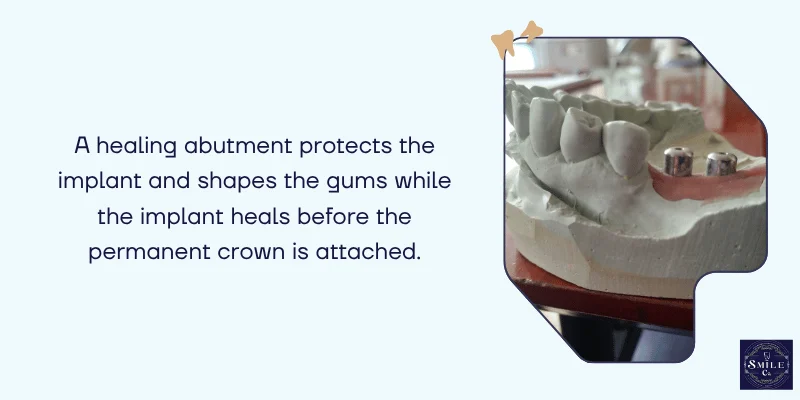
A healing abutment is a small device that attaches to your dental implant right after surgery. It sticks out through your gum tissue to help shape the soft tissue around the implant site.
Your dentist screws this piece into the implant fixture in your jawbone. It protects the implant during recovery and creates the right gum contour for your final crown.
The abutment stays in place for several weeks or months while healing happens below.
Some patients get the healing abutment placed during the initial surgery. Others receive it during a second minor procedure after the bone has started to heal.
Your dentist decides based on your specific case and bone quality.
Osseointegration and Bone Recovery
Osseointegration is when your jawbone grows around and fuses with the titanium implant. This process takes between three to six months for most patients.
A blood clot forms at the surgery site within the first 24 to 72 hours after implant placement. Your bone cells then begin growing onto the implant surface.
New bone tissue gradually develops and creates a strong bond with the metal.
The success of osseointegration depends on several factors. Your bone density, overall health, and whether you smoke all affect how well the implant fuses.
Upper jaw implants typically need more healing time than lower jaw implants because the bone is less dense.
How the Abutment Affects Healing Variations
The healing abutment can cause different reactions in your gum tissue. You might notice more swelling around the abutment area compared to other surgical sites.
Some patients develop a lump or bump around the healing cap. This often happens because of excess tissue growth or inflammation.
The metal component can irritate your gums if food particles or bacteria collect around it.
Your tissue needs to adapt to having the abutment pierce through it. This adjustment period causes variations in healing time and discomfort levels between patients.
Keeping the area clean reduces inflammation and helps your gums heal properly around the device.
Booking a Consultation and Addressing Implant Concerns
A dental implant consultation helps you understand what the procedure involves and gives your dentist a chance to check your oral health.
Knowing what signs point to problems and how to support healing makes recovery less stressful.
What to Expect at a Dental Implant Consultation
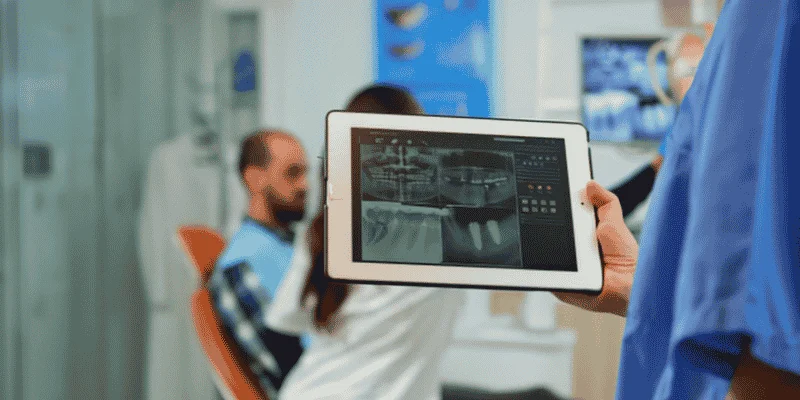
Your first dental implant consultation usually includes a full exam of your mouth and jaw. The dentist will take X-rays or scans to check if you have enough bone to support an implant.
You’ll discuss your medical history during the visit. Be ready to share information about any medications you take and health conditions you have.
This helps the dentist plan the safest approach for your implant consultation.
The dentist will explain the dental implant procedure steps and timeline. You’ll learn about the surgery itself, how long healing takes, and what happens after the implant fuses to your bone.
Most dentists also review costs and payment options during this visit.
Ask questions about anything that concerns you. Many people want to know about pain levels, time off work, and eating restrictions.
Signs of Implant Rejection or Complications
Watch for swelling that gets worse after the first few days instead of better. Some swelling is normal, but it should start going down within 48 to 72 hours.
Pain that increases or doesn’t improve after the first week may signal a problem. Most pain peaks within two days and then gets better each day.
Call your dentist if you notice these warning signs:
- Fever or chills
- Heavy bleeding that doesn’t stop with pressure
- Pus or bad-tasting drainage from the implant site
- Implant feels loose or moves when touched
- Severe pain that pain medication doesn’t help
Persistent swelling or pain can happen if you smoke, grind your teeth, or put too much pressure on the implant area.
Supporting a Smooth Recovery Journey
Follow your dentist’s aftercare instructions carefully to reduce problems. Don’t brush the implant area for one week after surgery.
Use a chlorhexidine mouthwash like Corsodyl twice daily to keep bacteria away.
Stick to soft foods during the healing period. Avoid alcohol for 24 hours after surgery. Most people can return to work the next day.
Apply ice packs for 10 minutes each hour during the first six hours. Wrap frozen vegetables in a clean cloth instead of putting ice directly on your skin.
Take pain medication before the local anesthetic wears off. Continue taking it for the first 48 hours as directed. This keeps you more comfortable during the early healing phase.
Contact your dental team if you have questions or concerns between appointments. They can tell you if what you’re experiencing is normal or needs attention.
Frequently Asked Questions
Most people experience swelling that peaks around day three and fades within a week, though bone grafts extend this timeline.
Bruising appears in some patients due to blood vessel disruption and typically clears up within 7 to 14 days.
How much swelling is normal after dental implant surgery?
You can expect your face to look puffy after getting a dental implant. Some swelling around the surgical site is part of your body’s natural healing response.
Swelling typically peaks on day three after your procedure. Your cheek might feel tight or look noticeably larger on the side where you had surgery.
This doesn’t mean something went wrong.
The amount of swelling varies from person to person. Some patients barely notice it, while others see more visible puffiness.
How long does swelling usually last after a dental implant and bone graft?
Most swelling goes away within 3 to 7 days after implant surgery. You should see steady improvement each day after the third day.
If you had a bone graft along with your implant, expect swelling to last a bit longer. The extra surgical work means your body needs more time to heal.
Mild puffiness might stick around for up to two weeks.
Your swelling should get better each day, not worse. Any swelling that increases after the first week needs attention from your dentist.
What can I do at home to help reduce swelling after implant surgery?
Ice packs work best during the first 48 hours after surgery. Apply ice for 20 minutes, then take a 20-minute break, and repeat this pattern.
Keep your head elevated when you rest or sleep. Use extra pillows to prop yourself up. This helps reduce blood flow to your face and limits swelling.
Avoid bending over or doing anything that makes blood rush to your head. Skip intense exercise for at least a few days.
Taking your prescribed medications on time also helps control inflammation.
Is it normal to still have swelling two weeks after getting a dental implant?
Some mild puffiness at the two-week mark can be normal, especially if you had bone grafting. The key is that it should be much better than it was during the first week.
Your gums might still look slightly puffy around the implant site. This is different from the facial swelling you had right after surgery.
As long as the area isn’t hot, red, or painful, minor swelling can persist as tissues heal.
Call your dentist if the swelling seems to be getting worse or staying the same after two weeks.
Persistent or worsening swelling may indicate a complication that needs evaluation.
Why do some people get bruising after dental implant surgery, and how long does it take to fade?
Bruising happens when small blood vessels break during the surgical procedure. The blood spreads into surrounding tissues and shows up as discoloration on your skin.
You might not see bruising right away. It often appears a day or two after surgery and can spread down your face or neck due to gravity.
Yellow, purple, or greenish marks are all normal color changes as bruises heal.
Most bruising fades within 7 to 14 days. The colors gradually lighten and disappear as your body reabsorbs the blood.
Some patients never get bruising at all. Your age, skin type, and how easily you bruise in general all affect whether you’ll see discoloration after implant surgery.
When should gum swelling after implant surgery be checked by my dentist or surgeon?
Contact your dentist right away if swelling gets worse after the first three days. This could signal an infection or other problem that needs treatment.
Watch for swelling that comes with a fever, pus, or severe pain. These signs together suggest an infection developing at the implant site.
A hot, hard area near the implant also needs immediate attention.
Swelling that persists beyond two weeks without improvement should be evaluated. Your dentist can check if everything is healing properly or if you need additional care.
If you notice your implant feels loose along with continued swelling, call your dental office the same day.
Early intervention prevents most serious complications from getting worse.