

Getting ready for dental implant surgery involves more than just scheduling your appointment.
What you eat in the weeks and days before your procedure can make a real difference in how well you heal and how successful your implants will be.
The right foods before dental implant surgery include lean proteins, vitamin C-rich fruits, calcium sources, and plenty of water, while you should avoid hard foods, alcohol, and processed items that can slow healing.
Your body needs specific nutrients to prepare for surgery and support the healing process.
Foods rich in protein help repair tissues, while calcium and vitamin D strengthen your bones so your implants can integrate properly.
When you fuel your body with the right nutrients, you give yourself the best chance for a smooth recovery.
Understanding what to eat and what to skip before your procedure doesn’t have to be complicated.
This guide will walk you through the foods that support healing, the ones you need to avoid, and practical tips to prepare your body for dental implants.
Key Takeaways
- Eat protein-rich foods, calcium sources, and vitamin C foods for two weeks before surgery to support healing and bone health
- Avoid hard or crunchy foods, alcohol, and processed items before your procedure to reduce inflammation and complications
- Stop eating at least eight hours before surgery and follow your dentist’s specific instructions for the best results
Table of Content
- Role of Pre-Surgery Nutrition in Dental Implant Success
- Pre-Surgery Guidelines: Eating Safely Before Your Procedure
- Best Foods to Eat Before Dental Implant Surgery
- Foods and Drinks to Avoid for Optimal Healing
- Preparing for Recovery and Long-Term Implant Health
- Frequently Asked Questions
Role of Pre-Surgery Nutrition in Dental Implant Success
The foods you eat before dental implant surgery set the stage for how well your body handles the procedure and heals afterward.
Good nutrition strengthens your immune system and gives your bones the materials they need to bond with the implant.
Why Nutrition Matters for Implant Healing
Your body needs specific nutrients to build new bone tissue around your dental implant. What you eat before dental implant surgery directly affects your recovery speed and comfort level.
When you prepare with the right foods, you give your cells the building blocks they need. Calcium helps form the bone structure that holds your implant in place. Vitamin D helps your body absorb that calcium and direct it to your jawbone.
Protein is equally important because it repairs damaged tissue and creates new cells. Without enough protein, your body struggles to close the surgical site and build bone around the implant post.
Starting a nutrient-rich diet at least 30 days before your procedure gives your body time to build up reserves. This preparation can make the difference between smooth dental implant healing and a longer, more difficult recovery.
How Diet Supports Immune Function and Bone Health

Your immune system acts as your first line of defense against infection after dental implant surgery.
Vitamin C powers your white blood cells and helps them fight off bacteria at the surgical site. Zinc speeds up wound closure and tissue repair.
A balanced diet rich in essential nutrients also provides vitamin K2, which works with vitamin D to keep calcium in your bones instead of your soft tissues. Magnesium activates over 300 reactions in your body that support bone formation.
Omega-3 fatty acids from fish and seeds reduce inflammation around your implant. Less swelling means less pain and faster healing.
These healthy fats also help your body absorb fat-soluble vitamins like D and K that are critical for bone strength.
When you combine immune-boosting nutrients with bone-building minerals, you create the best environment for successful osseointegration; the process where your jawbone fuses to the titanium implant.
Pre-Surgery Guidelines: Eating Safely Before Your Procedure
Your eating schedule before dental implant surgery depends on the type of anesthesia you’ll receive and the timing of your procedure.
Most dental implant procedures require you to stop eating and drinking at specific times to prevent complications during surgery.
Fasting Requirements Based on Anesthesia Type
The type of anesthesia you receive determines when you need to stop eating. If you’re getting local anesthesia only, you can usually eat a light meal a few hours before your appointment.
For sedation or general anesthesia, you’ll need to follow stricter fasting rules. Most dentists require you to avoid eating or drinking anything after midnight before your morning procedure. This includes water, gum, and mints.
The reason for fasting is to prevent nausea and vomiting during the procedure. When you’re sedated, your body’s reflexes slow down, which can make it dangerous if you have food in your stomach.
If your dental implant surgery is scheduled for the afternoon, your dentist may allow you to have a light breakfast early in the morning.
Always confirm the exact fasting time with your dental team based on your specific anesthesia plan.
When and What to Eat Before Dental Implant Surgery
In the days leading up to your procedure, focus on eating nutritious foods that build up your body’s reserves. Your body needs these nutrients to heal properly after surgery.
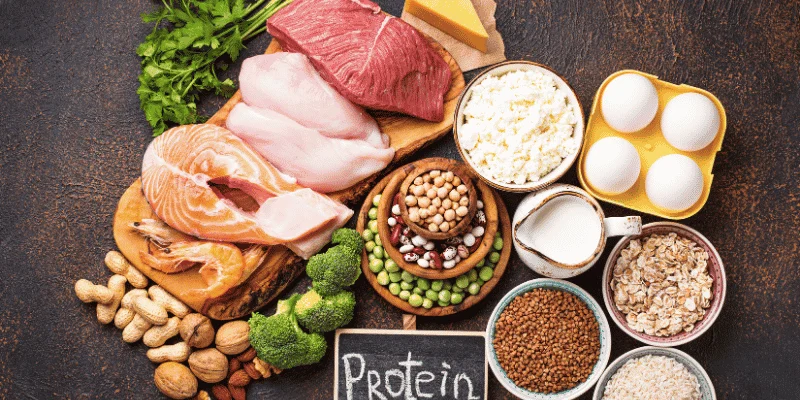
Eat foods rich in protein like chicken, fish, eggs, beans, and yogurt. These help your body repair tissue and recover faster. Include whole grains, fruits, and vegetables to get essential vitamins and minerals.
The night before surgery, choose an easy-to-digest meal. Avoid spicy, greasy, or heavy foods that might upset your stomach. A simple dinner with lean protein, steamed vegetables, and rice works well.
On surgery day (if allowed to eat), stick to bland foods at least 6-8 hours before your appointment. Toast, oatmeal, or scrambled eggs are good options if your dentist permits early morning eating.
Hydration and Beverage Recommendations
Staying hydrated in the days before your dental implant surgery helps your body function properly. Drink 6-8 glasses of water daily leading up to your procedure.
Stop drinking clear liquids 2-3 hours before surgery if you’re having oral sedation. For general anesthesia, you may need to stop all liquids earlier. Your dentist will give you specific instructions.
Avoid alcohol for at least 24-48 hours before your procedure. Alcohol can interfere with anesthesia and medications. It also dehydrates your body, which can slow healing.
Skip caffeinated drinks like coffee or energy drinks on surgery day. These can increase anxiety and affect how anesthesia works. Stick to water in the hours before you need to stop drinking completely.
Best Foods to Eat Before Dental Implant Surgery
Eating the right foods before your dental implant procedure helps your body prepare for healing and supports a faster recovery.
Focus on protein-rich meals, key vitamins and minerals, healthy fats with whole grains, and foods that keep you well-hydrated.

Protein-Packed Meals for Tissue Repair
Your body needs protein to repair tissues and heal properly after surgery. Eating protein-rich foods before your dental implant helps build a strong foundation for recovery.
Best protein sources to eat before implant surgery:
- Eggs (scrambled, boiled, or as an omelet)
- Greek yogurt
- Lean chicken or turkey
- Fish like salmon or cod
- Beans and lentils
- Tofu and tempeh
Try to include protein at every meal in the days leading up to your procedure. A breakfast of eggs with whole grain toast or a lunch of grilled chicken provides the building blocks your body needs.
If you prefer plant-based options, a bean soup or tofu stir-fry works just as well.
Aim for at least 20-30 grams of protein per meal. This amount gives your body enough resources to start the healing process right away.
Vitamins and Minerals for Enhanced Recovery
Calcium and vitamin D support strong bones, which is important since dental implants need to fuse with your jawbone. Your body also relies on other vitamins and minerals to heal quickly.
Key nutrients to focus on:
| Nutrient | Food Sources | Why You Need It |
| Vitamin C | Oranges, strawberries, bell peppers | Helps wounds heal faster |
| Calcium | Milk, cheese, leafy greens | Strengthens bones |
| Vitamin D | Fortified milk, egg yolks, salmon | Helps absorb calcium |
| Zinc | Nuts, seeds, whole grains | Supports immune system |
Vitamin C is especially important because it helps your body make collagen, which repairs damaged tissue. Eating an orange or a handful of strawberries each day gives you a good vitamin C boost.
Don’t forget about leafy greens like spinach and kale. These vegetables pack multiple nutrients into one serving and are easy to add to smoothies or salads.
Healthy Fats and Whole Grains
Healthy fats reduce inflammation in your body, which can make your recovery smoother. Omega-3 fatty acids help optimize your healing process and keep inflammation under control.
Include these foods in your pre-surgery diet:
- Fatty fish like salmon, mackerel, or sardines (twice a week)
- Avocados on toast or in smoothies
- Nuts and seeds like walnuts, chia seeds, or flaxseeds
- Olive oil for cooking or salad dressings
Whole grains provide steady energy and contain B vitamins that support healing. Brown rice, quinoa, oatmeal, and whole wheat bread are excellent choices. They also contain fiber that keeps your digestive system running smoothly.
A meal of baked salmon with quinoa and roasted vegetables gives you healthy fats, whole grains, and vitamins all at once. This combination prepares your body well for the dental implant procedure.
Foods to Maximize Hydration
Staying hydrated before your dental implant surgery keeps your mouth healthy and supports blood flow to healing tissues. Water is essential, but you can also get hydration from foods.
Hydrating foods to eat:
- Watermelon and cantaloupe
- Cucumbers
- Celery
- Tomatoes
- Soup and broth
- Smoothies with fruits and vegetables
Drink at least 8 glasses of water each day leading up to your surgery. Water helps carry nutrients to your cells and flush out waste products. It also keeps your mouth moist, which is important for oral health.
Soups are particularly helpful because they combine hydration with nutrition. A vegetable soup with beans gives you water, vitamins, and protein in one bowl.
Smoothies work the same way, blending fruits, leafy greens, and yogurt into an easy-to-drink meal.
Avoid sugary drinks and excessive caffeine, as these can actually dehydrate you. Stick with water, herbal tea, or natural fruit-infused water for the best hydration results.
Foods and Drinks to Avoid for Optimal Healing
Certain foods and drinks can slow down your dental implant healing process or increase your risk of implant failure.
Your body needs the right conditions to integrate the implant with your bone, and avoiding problematic items helps create the best environment for recovery.
Sugary and Processed Foods
Sugar creates problems for dental implant healing in several ways.
When you eat sugary foods and refined carbohydrates, your blood glucose levels spike, which impairs white blood cell function and reduces your body’s ability to fight infection at the implant site.
High sugar intake also promotes inflammation throughout your body. This inflammatory response slows the healing process and can interfere with osseointegration, where your jawbone fuses with the dental implant.
Foods to avoid include:
- Candy and chocolate bars
- Cookies, cakes, and pastries
- Sugary cereals
- Regular sodas and sweetened beverages
- White bread and refined pasta
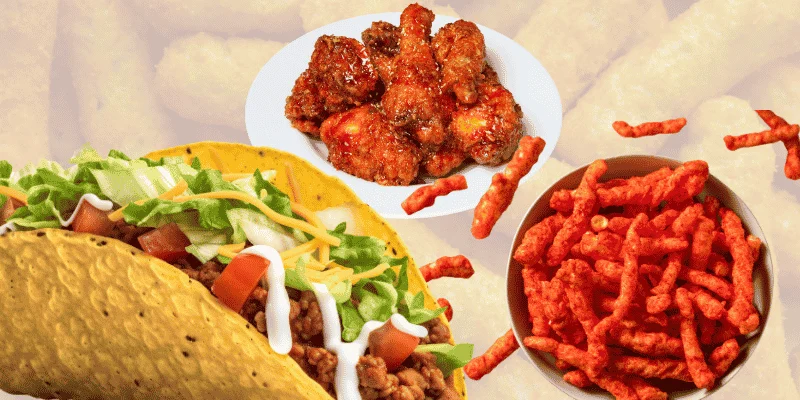
- Processed snacks and chips
Processed foods often contain excessive sodium, which causes fluid retention and swelling. This swelling can stretch tissues around your dental implants and reduce oxygen delivery to the healing site.
Many processed items also have additives and preservatives that may promote inflammation when your body needs to focus on repair.
Alcohol and Caffeine Limitations
You should completely avoid alcohol during your dental implant recovery. Alcohol dehydrates tissues, impairs immune function, and interferes with sleep quality.
All of these factors slow down healing and increase your infection risk.
Alcohol also depletes essential nutrients like B vitamins and zinc that your body needs for tissue repair. It can interact with pain medications and antibiotics commonly prescribed after dental implant surgery.
Excessive caffeine consumption constricts blood vessels, reducing blood flow to your healing tissues. This means less oxygen and fewer nutrients reach your dental implant site.
Caffeine also acts as a diuretic, potentially leading to dehydration if you don’t drink enough water.
One to two cups of coffee or tea daily is generally acceptable for most people. However, you should avoid energy drinks entirely since they combine high caffeine with excessive sugar.
Hard, Crunchy, and Spicy Foods
Hard and crunchy foods pose mechanical risks to your dental implants during the healing phase.
Items like nuts, raw vegetables, hard bread, popcorn, and ice can put pressure on the surgical site or even dislodge the implant before it integrates with your bone.
These foods can also irritate the surgical area and cause pain. You need to protect your dental implant for several weeks while the bone heals around it.
Spicy foods increase blood flow to your mouth and can irritate sensitive tissues. Ingredients like hot peppers, cayenne, and black pepper may cause discomfort and burning sensations at the implant site.
The increased blood flow can also lead to additional swelling or bleeding in the early recovery days.
Acidic foods and drinks like citrus fruits, tomatoes, and vinegar-based dressings can irritate the surgical site as well. Your mouth will be sensitive after the procedure, and these items can cause unnecessary pain during dental implant healing.
Preparing for Recovery and Long-Term Implant Health
Your diet plays a major role in how well your dental implant heals and how successful it will be over time.
Eating the right foods after surgery and maintaining good nutrition habits will help your mouth heal faster and keep your implant strong for years to come.
Dietary Adjustments After Dental Implant Surgery
Right after dental implant surgery, you need to switch to soft foods that won’t disturb the surgical site. Stocking up on soft foods before your procedure makes recovery much easier.
For the first few days, stick to foods like:
- Smoothies and protein shakes
- Yogurt and pudding
- Mashed potatoes
- Scrambled eggs
- Oatmeal
- Soup (not too hot)
Avoid hard, crunchy, or sticky foods that could damage the implant site. Skip foods like chips, nuts, popcorn, and chewy candy for at least a few weeks.
Planning your meals ahead of time helps ensure you have healthy options ready when you need them. Drink plenty of water but avoid using straws, as the sucking motion can harm the healing area.
Follow-Up Care and Nutritional Tips for Healing
Proper nutrition promotes faster healing and helps your bone integrate with the implant. Focus on foods rich in calcium and vitamin D to support bone health during dental implant healing.
Eat protein-rich foods like fish, chicken, beans, and tofu to help your body repair tissue. Include foods with vitamin C, such as oranges and strawberries, to boost your immune system.
As you heal, slowly add firmer foods back into your diet. Listen to your body and don’t rush the process. Most people can return to normal eating within a few weeks, but follow your dentist’s specific instructions.
Keep up with your dental appointments and tell your dentist about any pain, swelling, or concerns. Good nutrition combined with proper dental care gives your dental implant the best chance for long-term success.
Frequently Asked Questions
Planning your meals around dental implant surgery involves timing your last meal correctly, choosing gentle foods that support healing, and stocking your kitchen with soft options you can eat comfortably during recovery.
What foods and drinks are best the day before dental implant surgery?
The day before your surgery, focus on eating nutrient-rich foods that support healing like lean proteins, fruits, and vegetables. Foods high in calcium and vitamin D help strengthen your bones and prepare your body for the procedure.
You can eat normally the day before, so take advantage of this time to enjoy a balanced diet. Include foods like chicken, fish, leafy greens, yogurt, and whole grains.
Stay well hydrated by drinking plenty of water throughout the day. Avoid alcohol as it can interfere with healing and may interact with medications you’ll receive during surgery.
How long before dental implant surgery should I stop eating or drinking?
Your dentist will give you specific fasting instructions based on the type of sedation you’ll receive. Most patients need to stop eating solid foods at least 6 to 8 hours before their procedure.
If you’re having general anesthesia or IV sedation, you’ll typically need to avoid all food and drink after midnight the night before. Clear liquids may be allowed up to 2 hours before surgery, but confirm this with your dental team.
For local anesthesia only, you may be allowed to eat a light meal a few hours before your appointment. Always follow your dentist’s specific instructions rather than general guidelines.
Are there foods I should avoid before implant surgery, like dairy or spicy meals?
Avoid spicy or highly acidic foods the day before surgery as these can irritate your mouth and digestive system. Skip things like hot peppers, citrus fruits, and vinegar-based dishes.
You don’t need to avoid dairy unless you have a sensitivity or your dentist specifically recommends it. Some people find that dairy increases mucus production, which might make them uncomfortable during the procedure.
Stay away from hard, crunchy, or sticky foods right before surgery. These can get lodged in your teeth and make the surgical area harder to clean and prepare.
Skip alcohol for at least 24 hours before your procedure. Alcohol can thin your blood and interfere with the healing process.
What are some easy-to-digest meal ideas to prep for a smooth recovery after surgery?
Prepare smoothies made with protein powder, soft fruits, and yogurt that you can eat with a spoon rather than drink through a straw. Add ingredients like bananas, berries, and spinach for extra nutrients.
Make a batch of mashed potatoes or pureed vegetables that you can portion out and refrigerate. These foods are gentle on your mouth and provide important vitamins.
Cook scrambled eggs or soft omelettes that require minimal chewing. Eggs are an excellent source of protein to support healing.
Prepare lukewarm soups without hard chunks or pieces. Blend vegetable or chicken soup until smooth for the first few days after surgery.
What groceries should I stock up on ahead of time for a soft-food or no-chew diet?
Stock up on yogurt, cottage cheese, and other soft dairy products that provide protein and calcium. Greek yogurt offers extra protein to support recovery.
Buy ingredients for smoothies including bananas, soft berries, protein powder, and nut butters. Remember to eat smoothies with a spoon to avoid using a straw.
Get instant mashed potatoes, applesauce, and canned soft fruits for convenient options. These items are shelf-stable and easy to prepare when you’re not feeling your best.
Purchase soft proteins like canned tuna, salmon, tofu, and eggs. Well-cooked lentils and beans also provide good nutrition without requiring much chewing.
Don’t forget custard, pudding, jelly, and ice cream for variety. Having different textures and flavors helps prevent meal fatigue during recovery.
Can I eat rice, pasta, or bread soon after implant surgery, and when is it safe to try them?
Soft pasta and well-cooked rice can usually be introduced after the first few days once initial tenderness decreases. Start with very soft options like overcooked noodles or risotto-style rice.
Avoid crusty or chewy bread for at least the first week. Soft white bread or rolls that dissolve easily in your mouth may be tolerated sooner than whole grain varieties.
Most patients can start transitioning to softer versions of these foods around day three or four. Chew on the opposite side of your mouth from the implant site.
Wait until your dentist confirms the implant site is stable before eating firmer versions of these foods. This usually happens after the first week, though individual healing times vary.