


Not everyone who gets dental implants goes through the same process. Some people walk into their dentist’s office and complete their treatment in just one or two visits, while others need several appointments spread out over many months.
The number of procedures you need depends on factors like your jawbone health, how many teeth you’re replacing, whether you have gum disease, and your overall medical condition.
Complex cases during the stages of dental implant treatment often involve problems like not enough bone, previous implant failures, or tricky spots near nerves and sinuses.
Simple cases with healthy bone and gums usually move through the stages of dental implant treatment much faster.
Understanding why some dental implant procedures take longer than others helps you know what to expect from your own treatment.
The good news is that even if you need multiple procedures, the end result gives you replacement teeth that look and work like natural ones.
Key Takeaways
- The condition of your jawbone and gums determines how many procedures you need for dental implants
- Simple cases may need just one surgery while complex cases require bone grafting and staged treatments over several months
- Working with an experienced implant specialist reduces complications and improves success rates for difficult cases
How Dental Implant Treatment Works
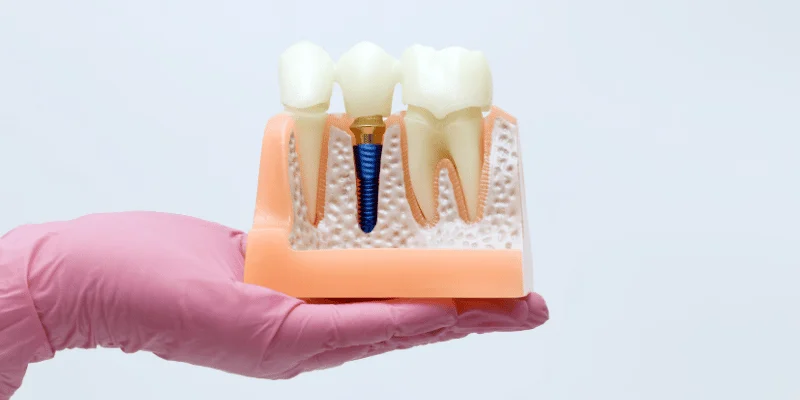
A dental implant replaces your missing tooth through a combination of metal posts that act as artificial tooth roots, connecting pieces called abutments, and custom-made crowns.
The bone in your jaw must fuse with the implant through osseointegration before you can use your new tooth.
Structure of Dental Implants

Your dental implant consists of three main parts that work together to replace your missing tooth. The implant post is a small titanium screw that serves as an artificial tooth root.
Your surgeon places this post deep into your jawbone during implant placement.
The implant abutment is the middle connector piece. It attaches to the top of the implant post and sticks out above your gumline. This piece holds your final restoration in place.
The crown is the visible artificial tooth that sits on top. Your dentist custom-makes it to match your natural teeth in color and shape.
For a full mouth dental implant restoration, multiple implants support either a fixed bridge or removable denture that replaces all your teeth at once.
Step-By-Step Breakdown of the Procedure
During dental implant surgery, your surgeon cuts open your gum tissue and drills holes into your jawbone. They place the titanium post deep into the bone where it will serve as your new tooth root.
Your jaw needs time to heal after implant placement. The bone grows around the metal post through a process called osseointegration. This usually takes several months but creates a solid foundation for your new tooth.
Once healing is complete, you return for abutment placement. Your surgeon reopens your gum, attaches the abutment to the implant post, and closes the tissue around it.
After another two weeks of healing, your dentist attaches your custom crown to complete the restoration.
Initial Evaluation and Planning
Your treatment planning process involves multiple dental specialists who examine your mouth and create a customized plan. You’ll receive a full dental exam with X-rays and 3D images of your jaw.
Your dental team reviews your medical history and current medications. They check if you have enough healthy bone to support the implant or if you need a bone graft first.
Some cases are straightforward and take just one visit, while complex cases involve obstacles like insufficient bone volume or anatomical challenges.
Your dentist creates a treatment plan based on how many teeth you need replaced and your jawbone condition. They’ll explain whether you need extra procedures before implant placement and give you a timeline for the entire process.
Factors That Determine Treatment Complexity
Your jawbone condition, the number of teeth you need replaced, and your gum health all play major roles in whether you’ll need one procedure or several to complete your dental implant treatment.
Jawbone Quality and Bone Grafting Needs
Your jawbone needs to be strong enough and thick enough to hold an implant securely. When you lose a tooth, the bone in that area starts to shrink because it no longer gets stimulation from chewing.
This process can make the bone too thin or weak for an implant.
Insufficient bone volume is one of the main factors that makes an implant case complex. If you don’t have enough bone, you’ll need a bone graft first.
This adds months to your treatment because the graft needs to heal and integrate with your existing bone before an implant can be placed.
The location matters too. Some areas of your mouth naturally have less bone to work with, especially in the upper back teeth where the sinus cavity sits close to your jaw.
Number and Location of Missing Teeth
A single missing tooth in the back of your mouth is usually straightforward. But multiple missing teeth or gaps in visible areas require more planning and often more steps.
Extended edentulous gaps require careful consideration of how many implants you need and where they should go.
Front teeth also add complexity because they need to match your natural teeth and look good when you smile. Your lip line, the shape of your existing teeth, and the spacing available all affect how many procedures you’ll need.
If you’re missing all your teeth in one arch, you might need four to six implants with staged procedures for a fixed prosthesis.
Gum Tissue Health and Periodontal Disease
Healthy gums are essential for implant success. If you have active periodontal disease, you need treatment to eliminate the infection before implants can be placed.
Chronic or acute infection at the implant site requires additional procedures to restore gum health first. Your gum tissue thickness also matters. Thick gums tend to heal better and support implants more predictably than thin gums.
If you have soft tissue defects or need more gum tissue around the implant area, you might need grafting procedures. This is especially important in areas you can see when you smile.
Medical conditions affecting your immune system or medications you take can also slow healing and require modified treatment approaches.
Different Types of Implants and Placement Approaches
The types of dental implants you receive and how your dentist places them directly affect whether you’ll need one procedure or several.
Your bone structure, how many teeth you’re replacing, and timing all play major roles in determining your treatment path.
Endosteal Versus Subperiosteal Implants
Endosteal implants are the most common type of dental implants used today. Your dentist places these directly into your jawbone, where they act as artificial tooth roots.
They look like small screws or cylinders made of titanium.
Subperiosteal implants work differently. Instead of going into your bone, they sit on top of your jawbone but under your gum tissue.
Your dentist might recommend subperiosteal implants if you don’t have enough healthy jawbone and want to avoid bone grafting procedures.
Endosteal implants typically require sufficient bone density to hold them securely. If you choose these, you’ll likely need just one surgical procedure if your bone is healthy.
Subperiosteal implants often involve two procedures: one to take impressions of your jaw and another to place the custom-made metal frame.
Most patients qualify for endosteal implants. But subperiosteal options give you an alternative when bone loss makes traditional implants difficult.
Single Tooth, Multiple Teeth, and Full Mouth Solutions
Single tooth implants replace one missing tooth with one implant post topped with a crown. This straightforward approach usually requires fewer procedures than larger restorations.
When you’re missing several teeth, you have options. Multiple individual implants can replace each tooth separately.
Alternatively, dental bridges supported by implants can replace several teeth using fewer implants. This reduces the number of surgical sites and often means fewer procedures overall.
Full mouth restoration works differently. If you’re replacing all your teeth, you don’t need an implant for each one.
Your dentist might place four to six implants per arch to support a full set of dentures. This is much simpler than placing 14 individual implants.
Implant-supported dentures eliminate the instability of traditional removable dentures. The fewer implants you need, the less complex your treatment becomes.
Immediate Versus Staged Implant Placement
Immediate implant placement means your dentist places the implant right after extracting your tooth during the same appointment. This approach works best when you have healthy bone and no infection at the extraction site.
Staged placement involves waiting weeks or months after extraction before placing your implant. Your dentist might choose this approach if you need bone grafting, have an infection, or lack sufficient bone density.
The waiting period allows your extraction site to heal and any grafted bone to integrate.
Some immediate placements even allow for immediate loading, where you get a temporary crown the same day. However, most cases still require waiting three to six months for the implant to fuse with your bone before adding the final crown.
Your specific situation determines which approach works best. Studies show that immediate placement can reduce the total number of procedures you need, but only if your bone and gums are in good condition.
Who Performs Dental Implant Procedures?
Different dental professionals handle implant placement depending on your specific needs and the complexity of your case. Periodontists, oral surgeons, and prosthodontists each bring specialized training to different aspects of implant treatment.

Role of the Periodontist, Prosthodontist, and Oral Surgeon
Periodontists specialize in the gums and bone that support your teeth. They have extensive training in placing dental implants and managing the tissues around them.
If you have gum disease or bone loss, a periodontist’s specialized training in gum and bone structures makes them particularly skilled at ensuring successful implant integration.
Oral surgeons (also called oral and maxillofacial surgeons) focus on surgical procedures involving your mouth, jaw, and face.
They’re your best choice when you need complex procedures like bone grafting or sinus lifts before implant placement. These specialists handle challenging cases where multiple implants are needed or anatomical issues exist.
Prosthodontists are experts in restoring and replacing teeth. They design and place the artificial teeth that attach to your implants.
Prosthodontists often work alongside oral surgeons and periodontists to ensure your final crown, bridge, or denture fits perfectly and looks natural.
When You Need a Specialist Team
Complex implant cases often require coordination between multiple specialists. You might see an oral surgeon for bone grafting, a periodontist for implant placement, and a prosthodontist for the final restoration.
General dentists with additional implant training can handle straightforward single-tooth cases. However, they typically refer more complicated situations to specialists.
Your general dentist can evaluate your needs and recommend the right team for your case.
If you have significant bone loss, periodontal disease, or need multiple implants, starting with a specialist consultation saves time.
The complexity of your case determines whether you need one specialist or a coordinated team approach.
Potential Challenges and Reasons for Additional Procedures
Several factors can lead to needing extra dental visits beyond the basic implant placement. Bone quality issues, health conditions, and lifestyle habits all play a role in determining how complex your treatment becomes.
Implant Failure and How to Prevent It
Implant failure happens when the titanium post doesn’t properly fuse with your jawbone. This can occur in the first few months after implant placement or years later.
Early failures usually result from infection, poor bone quality, or movement during healing. Late failures often stem from bone loss around the implant or excessive bite forces.
You can reduce your risk by following your dentist’s post-surgery instructions carefully. This means avoiding hard foods during healing, keeping the area clean, and attending all follow-up appointments.
Key prevention steps include:
- Not smoking for at least two weeks before and after surgery
- Taking prescribed antibiotics as directed
- Using a soft-bristled toothbrush around the surgical site
- Avoiding alcohol during the initial healing period
If an implant does fail, you’ll need it removed through minor surgery. Your dentist will wait several months before attempting another implant placement to allow the bone to heal completely.
Dealing With Complications or Complex Anatomy
Some patients face complications during multiple implant placement that require additional procedures. Your sinus cavities sitting too close to your upper jaw can make implant surgery more difficult.
Nerve pathways in your lower jaw also create challenges. If an implant gets placed too close to a nerve, you might experience numbness or tingling.
Complex implant cases often involve insufficient bone volume, gum disease, or previous failed implants. These situations need extra planning and specialized skills from your dental team.
Common anatomical challenges:
- Thin or narrow jawbone requiring bone grafts
- Sinus cavities needing a lift procedure
- Uneven bone density affecting stability
- Limited space between adjacent teeth
Your dentist might need to adjust the abutment placement if complications arise during healing. This means an extra visit to reposition or replace the connector piece between your implant and crown.
Managing Risk Factors Like Smoking or Health Conditions
Your overall health directly affects how well your implants heal. Diabetes slows down wound healing and increases infection risk, which can lead to additional procedures.
Smoking restricts blood flow to your gums and reduces oxygen levels in your tissues. This makes it harder for bone to fuse with the implant properly.
Certain medications also complicate healing. Blood thinners increase bleeding during surgery, while drugs for osteoporosis can affect bone quality around your implant.
Health factors requiring extra attention:
- Uncontrolled diabetes (blood sugar over 200 mg/dL)
- Active gum disease needing treatment first
- Osteoporosis or bone-weakening conditions
- Immune system disorders affecting healing
Your dentist might require you to get medical clearance before implant surgery. Why a specialist matters for complex multiple tooth implant cases becomes clear when managing these risk factors, as they have advanced training to handle complications.
You may need more frequent check-ups if you have health conditions. These visits help catch problems early before they require major corrective procedures.
Ensuring Long-Term Success
Dental implants can last for decades when you take proper care of them and maintain regular checkups with your dental team.
Good daily cleaning habits and professional monitoring help prevent complications that could affect your implant’s stability.

Post-Implant Care and Hygiene
Your daily oral health routine plays a big role in protecting your dental implant. You need to brush at least twice a day using a soft-bristled toothbrush, paying special attention to the area around your implant.
Regular brushing and flossing removes plaque that can lead to inflammation and infection.
Floss daily around your implant using unwaxed tape or implant-specific floss. You can also use interdental brushes or water flossers to clean hard-to-reach areas.
These tools help remove food particles and bacteria from around the implant crown and gum line.
The first few months after surgery are critical for osseointegration, which is when your jawbone fuses with the implant.
During this time, follow your dentist’s instructions carefully about cleaning and avoid disturbing the healing site. Proper peri-implant maintenance helps prevent biological complications that could threaten your implant’s success.
Follow-Up Visits and Monitoring
You should schedule regular dental visits every 3 to 6 months for professional cleaning and monitoring. Your dentist will check for signs of infection, bone loss, or other problems that could affect your implant.
Regular monitoring and professional implant maintenance are critical factors for long-term success.
During these visits, your dental team will examine the tissues around your implant and measure pocket depths. They’ll also check that your implant crown fits properly and that you’re not experiencing any bite problems.
Early detection of issues like periodontal disease around implants allows for quick treatment before serious damage occurs.
Tips for Maintaining Oral Health
Avoid habits that can damage your implant, such as chewing ice, hard candy, or using your teeth as tools. If you grind your teeth at night, ask your dentist about a nightguard to protect your implant.
Important daily habits include:
- Using antimicrobial mouthwash to reduce bacteria
- Avoiding tobacco products, which increase failure risk
- Eating a balanced diet rich in vitamins and minerals
- Staying hydrated to maintain healthy saliva flow
Watch for warning signs like bleeding gums, persistent pain, or looseness around your implant.
Contact your dentist immediately if you notice any of these symptoms, as they could indicate infection or other problems requiring treatment.
Frequently Asked Questions
The number of procedures you’ll need depends on your bone density, gum health, and whether you need tooth extraction or bone grafting first.
Some people can get everything done in one appointment, while others may need six to nine months of healing between steps.
How many surgical procedures are usually needed to complete a dental implant?
Most dental implant treatments involve at least one surgical procedure, but many people need two or three separate surgeries. The first surgery places the metal post into your jawbone.
After your bone heals around the implant, you’ll need a second minor surgery to attach the abutment, which is the connector piece between the implant and your crown.
Some dental professionals can attach the abutment during the initial implant placement. This approach eliminates the need for a second surgery.
If you need a bone graft, that adds another surgical step before the implant can even be placed. The total process typically takes three to nine months from start to finish.
What factors determine whether an implant can be placed in one visit or needs multiple stages?
Your jawbone quality plays the biggest role in determining your treatment timeline. If your bone is thick enough and dense enough to support an implant right away, you might qualify for a single-visit procedure.
The condition of your gums also matters significantly. Healthy gum tissue heals faster and supports implants better than gums affected by disease.
Complex cases involving insufficient bone volume, gum disease, or anatomical challenges require multiple stages.
Medical conditions that affect bone healing, like uncontrolled diabetes, can also extend your treatment timeline. Whether you smoke tobacco is another key factor, as smoking can interfere with the healing process.
Why do some people need a bone graft or sinus lift before getting an implant?
Your jawbone needs enough thickness and strength to hold an implant securely. The powerful chewing action of your mouth puts tremendous pressure on your bone, and if your bone can’t support that force, the implant will likely fail.
Bone loss happens naturally when you lose a tooth. The bone that once supported that tooth starts to shrink away because it’s no longer being stimulated by chewing forces.
A bone graft creates a solid foundation by rebuilding your jawbone with natural bone from another part of your body, synthetic materials, or donor bone.
You may need a sinus lift if the implant site in your upper jaw is too close to your sinus cavity. This procedure raises the sinus floor and adds bone to create enough space for the implant.
How does healing time affect the number of appointments for an implant case?
Healing time determines how many appointments you’ll need and how far apart they’re spaced. After your dentist places the implant post, your jawbone needs several months to fuse with the metal through a process called osseointegration.
This bone growth process can’t be rushed. It provides the solid foundation your artificial tooth needs to function just like a natural tooth root would.
If you need a bone graft first, you’re looking at additional healing time before the implant can even be placed. Bone grafts may take several months to generate enough new bone to support an implant.
After the abutment is attached, your gums need at least two weeks to heal before the crown can be placed.
When is immediate implant placement possible after a tooth extraction?
You can sometimes get an implant placed right after a tooth extraction if your bone is in good condition. The extraction site needs to be free from infection, and you must have enough healthy bone surrounding the socket.
Your gums also need to be healthy for immediate placement to work. If you have gum disease or an active infection, your dentist will treat those issues first.
Immediate placement works best when you’re extracting a single tooth due to trauma or a crack rather than decay or infection.
Your overall health matters too—medical conditions that slow healing make immediate placement riskier.
How do gum health and past dental issues influence whether an implant treatment is done in phases?
Gum disease forces your treatment into multiple phases because infected gum tissue can’t support an implant properly.
Your dentist needs to treat the infection and get your gums healthy before moving forward with implant surgery.
Previous failed implants in the same area also complicate your treatment. The bone may be damaged or insufficient, requiring grafting and extra healing time before trying again.
If you’ve had radiation therapy to your head or neck, your bone healing ability is compromised. This means you’ll likely need a phased approach with extra time between procedures to ensure proper healing.
Teeth grinding habits can also affect your treatment plan, as your dentist may want to address this issue before placing your implant to protect your investment.