

You expect your dental implant to heal without problems. But some medications can slow healing or raise the risk of failure. If you take daily prescriptions, you need to know how they may affect your recovery.
Certain medications can interfere with dental implant healing by affecting bone growth, blood flow, or your immune response.
Drugs that change how your body builds bone, such as some osteoporosis treatments, can slow the bonding process between the implant and your jaw.
Antidepressants, heart medications, blood thinners, and long-term use of NSAIDs may also affect dental implant success.
When you understand how medications and dental implants interact, you can plan ahead. A clear medication review helps protect your dental implant healing and lowers the risk of problems before and after surgery.
Key Takeaways
- Some medications can slow bone healing and affect dental implant success.
- Blood thinners, mental health drugs, and long-term pain relievers may increase risks.
- Careful treatment planning supports safer healing and better long-term results.
Table of Content
- The Healing Process of Dental Implants
- Medications With Significant Impact on Bone Health
- Psychiatric and Cardiovascular Medications Affecting Implants
- Blood Thinners, NSAIDs, and Other Drug Interactions
- Considerations for Treatment Planning and Long-Term Success
- Frequently Asked Questions
The Healing Process of Dental Implants
Dental implants heal through a clear biological process that depends on strong bone activity and steady implant stability. Your jawbone must rebuild and adapt around the implant for long-term success.
Stages of Bone Healing and Osseointegration
When your dentist places a dental implant, they insert a small titanium post into your jawbone. Your body treats this as a controlled injury and starts bone healing right away.
In the first stage, blood forms a clot around the implant. This clot protects the area and brings cells that start repair. Inflammation follows, but this is a normal and needed part of implant healing.
Next, your body produces new bone. Special cells called osteoblasts build fresh bone tissue along the implant surface. Over time, this new bone bonds directly to the implant in a process called osseointegration.
Osseointegration means your bone grows tightly against the implant without soft tissue in between. This direct contact creates a firm base for a crown or bridge.
The process often takes several months, depending on your health and bone quality.
Importance of Bone Metabolism and Bone Density
Your bone constantly breaks down and rebuilds itself. This cycle is called bone remodelling, and it plays a key role in dental implant success.
Two main cells control this process:
- Osteoblasts build new bone
- Osteoclasts remove old bone
Healthy bone metabolism keeps these cells in balance. If one works too fast or too slow, healing may suffer.
Your bone density also matters. Bone mineral density refers to how strong and compact your bone is. Higher bone density in the jawbone usually means better support for the implant.
If your bone is thin or weak, the implant may not anchor well. In some cases, your dentist may suggest bone grafting to improve bone volume and strength before placing the implant.
Factors Affecting Implant Stability and Success
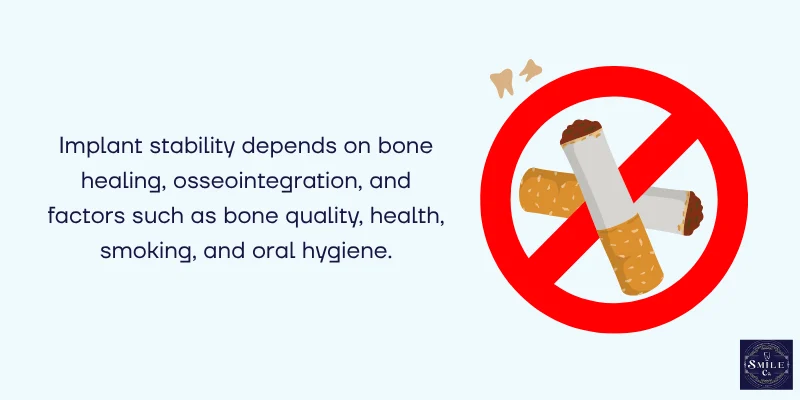
Implant stability depends on both mechanical and biological factors. At first, stability comes from how tightly the implant fits into your jawbone. This is called primary stability.
As healing continues, biological stability develops. This happens when osseointegration strengthens the bond between bone and implant.
Several factors can affect this process:
- Your overall health
- Bone mineral density
- Smoking habits
- Oral hygiene
- Certain medications that affect bone metabolism
If bone remodelling slows down or becomes unbalanced, implant healing may take longer. Poor bone quality can also increase the risk of implant movement.
You support implant stability by following aftercare instructions, keeping the area clean, and attending follow-up visits. Strong bone healing and steady osseointegration give your dental implant the best chance to last for many years.
Medications With Significant Impact on Bone Health
Some medications directly change how your body builds and breaks down bone. Others weaken your immune response or reduce calcium absorption, which can slow implant healing and raise the risk of failure.
Bisphosphonates and Osteonecrosis of the Jaw
Doctors often prescribe bisphosphonates to treat osteoporosis and bone cancer. Common examples include alendronate and risedronate. You may take them as oral bisphosphonates or receive intravenous bisphosphonates through an IV.
These drugs slow bone resorption by blocking osteoclast activity. That helps protect bone density, but it also reduces normal bone turnover. Dental implants depend on active bone remodeling to bond with the implant surface.
A serious risk is osteonecrosis of the jaw (ONJ). ONJ occurs when jawbone tissue does not heal after trauma, such as implant surgery. The risk is higher with intravenous bisphosphonates and long-term use.
Before implant placement, your dentist should review your medication history carefully. In some cases, your care team may adjust timing or recommend extra monitoring to lower your risk.
Steroids, Glucocorticoids, and Corticosteroids
Steroids, including glucocorticoids and corticosteroids, treat asthma, autoimmune disease, and chronic inflammation. While they reduce swelling and pain, they also affect bone metabolism.
Long-term steroid use can lower bone density. These drugs decrease osteoblast activity and increase bone breakdown. Over time, this weakens the jawbone that must support your implant.
Steroids also suppress your immune response. A weaker immune system can slow wound healing and increase the risk of infection around the implant site.
If you take daily or high-dose steroids, your dentist may coordinate with your physician. You may need closer follow-up visits to watch for delayed healing or early bone loss.
Chemotherapy and Immunosuppressive Drugs
Chemotherapy drugs target fast-growing cells, but they also affect healthy cells involved in healing. This can delay tissue repair after implant surgery.
Some chemotherapy agents, such as methotrexate, can interfere with bone formation. Reduced bone activity may limit how well your implant integrates with the jaw.
Immunosuppressive drugs like cyclosporine and tacrolimus lower your immune response to prevent organ rejection or control autoimmune disease.
However, these drugs can disrupt the balance between bone-building and bone-resorbing cells, which may impair implant stability.
If you take immunosuppressants, your dental team will assess infection risk and healing time before moving forward.
PPIs and Calcium Metabolism
Proton pump inhibitors (PPIs) treat acid reflux and stomach ulcers. Common PPIs reduce stomach acid to ease symptoms, but they also affect calcium absorption.
Your body needs stomach acid to absorb certain forms of calcium. When PPIs lower acid levels, calcium uptake may decrease. Over time, reduced calcium absorption can lower bone mineral density.
Lower bone density may weaken the jawbone that supports your implant.
If you rely on PPIs, ask your doctor about monitoring your bone health. Adequate calcium and vitamin D intake can support stronger bone during implant healing.
Psychiatric and Cardiovascular Medications Affecting Implants
Some mental health and heart medications can change how your bone heals or how your body controls bleeding.
If you take antidepressants, SSRIs, calcium channel blockers, or antiplatelet drugs, your dentist needs to plan your care with these effects in mind.
Selective Serotonin Reuptake Inhibitors (SSRIs) and Antidepressants
Selective serotonin reuptake inhibitors (SSRIs) are common antidepressants. Drugs like sertraline and fluoxetine help treat depression and anxiety, but they may affect bone metabolism.
Dental implants rely on osseointegration, which means the implant fuses with your jawbone. Some research suggests that SSRIs can lower bone density or slow bone healing in certain patients.
That may increase the risk of implant failure in some cases.
Not everyone who takes antidepressants has problems with implants. Your risk depends on factors such as:
- Your bone quality
- How long you have taken the medication
- Your overall health
Tell your dentist if you take SSRIs or other antidepressants. They may monitor healing more closely or adjust your treatment plan.
Calcium Channel Blockers and Antiplatelet Drugs
Calcium channel blockers treat high blood pressure and heart conditions. Most evidence shows that patients taking blood pressure medications have similar implant success rates compared to those who do not take them, although drug-specific effects remain unclear.
A review on antihypertensive medications and dental implants explains that current data does not confirm a clear negative effect.
However, some calcium channel blockers can cause gum overgrowth. Extra gum tissue may make cleaning around implants harder, which can raise your risk of inflammation.
Antiplatelet drugs reduce the risk of blood clots. These medications do not usually affect bone healing directly, but they can increase bleeding during and after implant surgery.
You should never stop antiplatelet drugs on your own. Your dentist and physician can decide if you need:
- A change in timing
- Local bleeding control measures
- Closer follow-up after surgery
Clear communication between you and your care team helps protect both your heart health and your implant outcome.
Blood Thinners, NSAIDs, and Other Drug Interactions
Some common medicines can increase bleeding, slow bone healing, or react with drugs used during implant surgery. You need to know how blood thinners, NSAIDs, and antibiotics may affect your recovery.
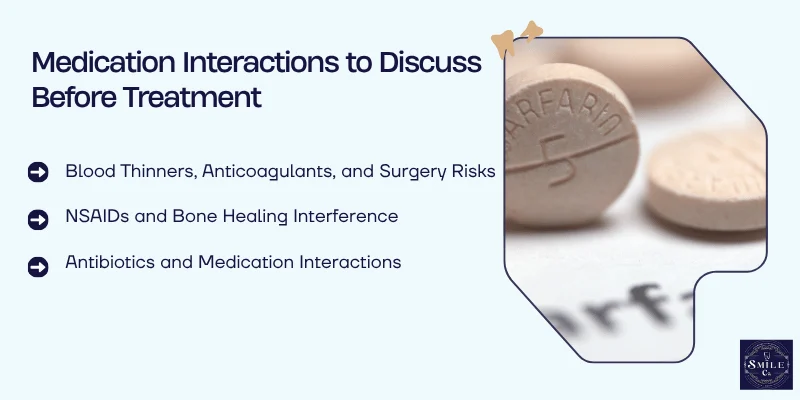
Blood Thinners, Anticoagulants, and Surgery Risks
If you take blood thinners, your dentist must plan carefully before implant surgery. These drugs reduce your blood’s ability to clot, which raises the risk of heavy bleeding during and after the procedure.
Common examples include warfarin, aspirin, and newer anticoagulants such as Eliquis or Xarelto. Many patients take them to prevent stroke, heart attack, or blood clots.
The American Academy of Oral Medicine explains how blood thinners affect dental care.
You should never stop anticoagulants on your own. Your dentist may work with your physician to adjust the dose or timing before surgery.
Also avoid mixing blood thinners with over‑the‑counter NSAIDs. Combining them can increase bleeding risk.
NSAIDs and Bone Healing Interference
NSAIDs such as ibuprofen (Advil, Motrin) and naproxen (Aleve) reduce pain and swelling. Many people use them without thinking twice.
However, these drugs can thin your blood and may affect early healing around a dental implant. NSAIDs may interfere with bone healing and osseointegration, which is the process where the implant fuses with your jawbone.
Osseointegration depends on stable blood flow and normal inflammation. If you take high doses of NSAIDs for long periods, you may slow this process.
Your dentist may suggest acetaminophen instead for short‑term pain control because it does not affect clotting the same way. Always follow the exact dosing instructions you receive.
Antibiotics and Medication Interactions
Your dentist may prescribe antibiotics before or after implant placement to lower infection risk. These drugs help control bacteria around the surgical site.
Antibiotics can still cause medication interactions. For example, some antibiotics may increase the effects of warfarin and raise bleeding risk.
Drug interactions can also occur with supplements, alcohol, and other prescriptions. Symptoms may include dizziness, confusion, or unusual bleeding.
You can review possible risks with tools like a drug interaction checker, but you should still confirm details with your dentist or physician.
Always give your provider a full list of medications, including vitamins and herbal products. Clear communication helps protect your implant and your health.
Considerations for Treatment Planning and Long-Term Success
Careful planning lowers your risk of delayed healing and implant failure. You and your dental surgeon must review your health, medications, and long-term risks before moving forward.
Pre-Implant Medication Review
You should complete a full medication review before dental implant surgery. This step plays a key role in implant treatment planning.
List all prescription drugs, over-the-counter products, and supplements. Include steroids, blood thinners, antidepressants, osteoporosis drugs, and immune suppressants.
Some drugs can slow bone healing or affect how bone bonds to the implant. Experts stress the need for careful review because medications can affect bone integration and long-term outcomes.
If you take bisphosphonates or other osteoporosis drugs, your oral surgeon must assess your risk for complications. Steroids and immune suppressants may also reduce implant stability by interfering with bone metabolism.
Bring a written list to your appointment. Clear and honest communication helps your dental surgeon create a safe treatment plan.
Coordinating With Healthcare Providers

You may need input from your primary doctor or specialist before implant placement. This step protects your overall health and improves implant success.
If you take blood thinners, your providers must balance bleeding risk with clot prevention. A large study reviewed the effect of antiplatelet and anticoagulant medications on implant outcomes, showing why careful coordination matters.
Do not stop any medication on your own. Your dental surgeon and physician should decide together if changes are safe.
Patients with osteoporosis, diabetes, or autoimmune disease often need closer monitoring.
Some systemic diseases and medications can influence bone healing and implant survival, as reviewed in research on how systemic diseases and medications influence dental implant success.
When providers communicate clearly, they reduce confusion and lower your risk of complications.
Managing Delayed Healing and Implant Failure
Some medications can slow the normal bone remodeling process. When that happens, you may face delayed healing after surgery.
Signs include ongoing pain, swelling, or lack of implant stability. Your dental surgeon may extend the healing period before placing the final crown.
Bone must remodel properly for long-term success. Many medications interfere with this process, which can affect integration and increase the risk of implant failure.
Your provider may adjust your treatment plan by:
- Allowing extra healing time
- Using imaging to check bone integration
- Staging procedures instead of placing multiple implants at once
Early action reduces the chance of full implant loss.
Monitoring for Peri-Implantitis and ONJ
After healing, you still need regular follow-up visits. Some medications raise your risk of infection or bone complications.
Peri-implantitis causes inflammation and bone loss around the implant. Steroids and immune suppressants may weaken your immune response, which can increase this risk.
Another serious condition is medication-related osteonecrosis of the jaw (ONJ). It has been linked to certain osteoporosis drugs and other bone-targeting medications.
Call your oral surgeon right away if you notice exposed bone, persistent pain, or gum swelling.
Routine exams, good oral hygiene, and open communication help protect your investment and your health.
Frequently Asked Questions
Some medicines can slow bone healing, weaken your immune response, or change how your body handles infection and pain.
You need to know how common drugs like steroids, antidepressants, blood pressure pills, antibiotics, and pain relievers may affect your dental implant recovery.
Which prescription medications can slow down healing after dental implant surgery?
Several prescription drugs can affect how your jawbone heals around an implant. Steroids such as prednisone can reduce bone formation and weaken your immune response.
Some antidepressants, especially SSRIs, have been linked to higher implant failure rates.
Proton pump inhibitors for acid reflux may lower calcium absorption. Over time, that can reduce bone density and may affect implant stability.
Do bisphosphonates increase the risk of implant failure or jawbone problems?
Bisphosphonates treat osteoporosis and other bone diseases. They slow bone breakdown, but they can also affect normal bone healing.
In rare cases, especially with long-term or IV use, they can raise the risk of jawbone problems such as osteonecrosis. That risk appears higher in cancer patients receiving strong IV doses.
If you take oral bisphosphonates for osteoporosis, your dentist will review how long you have used them and your overall health before planning surgery.
Should I stop or adjust blood pressure medicines like metoprolol before getting a dental implant?
You should not stop blood pressure medicine on your own. Stopping suddenly can raise your risk of serious heart problems.
Some blood pressure drugs may even support bone health. Dentists often focus more on drugs that weaken bone rather than common beta blockers like metoprolol.
Always tell your dentist what you take. Your dentist and physician can decide if any changes are needed.
How long do I usually need to take antibiotics after a dental implant procedure?
Most patients take antibiotics for a short period. Many dentists prescribe them for about 5 to 7 days, depending on your health and the complexity of the surgery.
Antibiotics help lower the risk of infection during early healing. They are often used before and after surgery, especially if you have a higher infection risk.
Always finish the full course unless your dentist tells you to stop.
What pain relievers are safest after dental implants, and which ones might delay healing?
Acetaminophen is often considered gentle on the stomach and does not directly affect bone healing. Many dentists recommend it for mild to moderate pain.
Nonsteroidal anti-inflammatory drugs (NSAIDs) like ibuprofen can reduce inflammation and pain. However, long-term or high-dose use may affect bone healing in some cases.
Short-term use is common after implant surgery, but your dentist will guide you based on your health and medical history.
Why do some dentists recommend avoiding dairy products right after dental implant surgery?
Some dentists suggest limiting dairy on the first day after surgery. Dairy products can interact with certain antibiotics and may upset your stomach when you are already healing.
Soft, non-dairy foods can feel more comfortable around the surgical site. Follow your dentist’s specific diet instructions to support clean healing and reduce irritation.