


Getting dental implants is a big step toward improving your smile and oral health.
After the procedure, you probably want to know when you can get back to your normal routine, especially if you have an active lifestyle or physically demanding job.
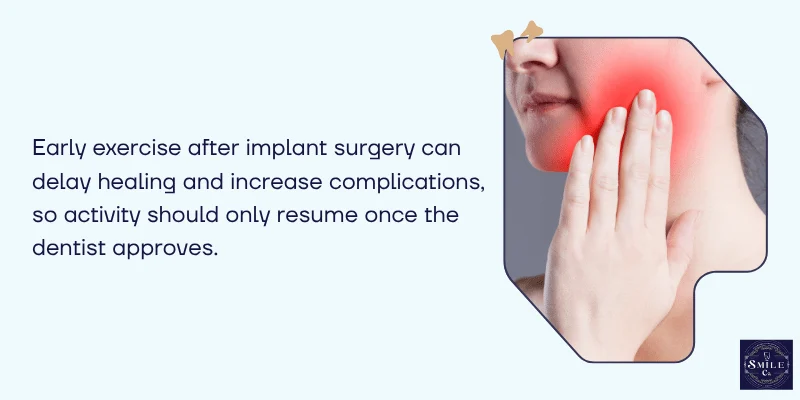
Most dental professionals recommend waiting 48 to 72 hours before doing any physical activity after dental implant surgery, and you should avoid intense exercise for at least 1-2 weeks to protect your healing implants.
Your body needs time to heal after dental implant surgery. The implant must fuse with your jawbone through a process called osseointegration.
When you exercise too soon or too hard, you can raise your blood pressure and disrupt the blood clots that form at the implant site. This can lead to bleeding, swelling, or even implant failure.
The good news is that you won’t have to stay on the couch forever. You can start with light activities like walking within a few days and gradually work your way back to your full exercise routine.
Understanding the right timeline and which activities are safe will help you heal properly while staying as active as possible.
Key Takeaways
- Wait at least 48-72 hours before any exercise and avoid intense workouts for 1-2 weeks after dental implant surgery
- Light activities like walking are safe within a few days, but avoid heavy lifting, running, and contact sports during early recovery
- Gradually increase your activity level over several weeks and watch for warning signs like bleeding or increased swelling
Schedule a Greenville South Carolina Visit to Discuss Recovery Planning
Understanding Dental Implant Surgery and Recovery
Dental implant surgery involves placing a titanium post into your jawbone, which then fuses with the bone through osseointegration over several months.
An abutment connects this post to your final crown once healing is complete.
Key Steps in the Dental Implant Procedure
Your dental implant procedure starts with your dentist numbing the area with local anesthesia. They create a small opening in your gum tissue to access the jawbone beneath.
Next, your dentist drills a precise hole into the jawbone. This hole matches the exact size of the titanium implant post. The post gets placed carefully into this space.
Your dentist then stitches the gum tissue closed over or around the implant. Some procedures leave the implant slightly exposed, while others cover it completely.
The dental implant surgery is a significant procedure that requires proper planning and execution.
The procedure typically takes 1-2 hours per implant. You might need bone grafting if your jawbone lacks sufficient density. This adds extra time to both the surgery and recovery period.
What Is Osseointegration?
Osseointegration is the process where your jawbone grows around and fuses with the titanium implant post. This creates a stable foundation that acts like a natural tooth root.
Your body treats the titanium as part of your natural bone structure. Over 3-6 months, bone cells grow directly onto the implant surface. This biological bond makes dental implants extremely stable and durable.
The first 2 weeks are critical for initial healing. Blood clots form around the implant site and protect it. These clots eventually transform into new bone tissue through the healing process called osseointegration.
Activities that increase blood pressure can disrupt this early healing. That’s why you need to avoid strenuous exercise during the first week after surgery.
The Role of the Abutment in Healing
The abutment is a small connector piece that attaches to your implant post. It sits above your gum line and holds your permanent crown in place.
Your dentist attaches the abutment after osseointegration completes. This usually happens 3-6 months after your initial implant surgery. Some procedures place the abutment during the first surgery, while others require a second minor procedure.
The abutment placement involves reopening the gum tissue if the implant was buried. Your dentist screws the abutment onto the implant post. Your gums then heal around this connector over 1-2 weeks.
This healing creates a natural seal between your gum tissue and the abutment. The seal protects against bacteria and prepares the site for your final crown.
Complete Your Patient Form Before Your Implant Procedure in Greenville South Carolina
The Importance of Proper Healing Before Exercise
Your body needs time to bond with your new dental implants through a process called osseointegration. Exercise affects blood flow, pressure, and healing in ways that can make or break your implant success.
How Physical Activity Affects Recovery
When you exercise, your heart pumps faster and your blood pressure rises. This increased blood flow can disrupt the delicate clotting process at your implant site during the first few days after surgery.
Your body forms blood clots immediately after dental implant surgery to protect the area and start healing. Vigorous activity can dislodge these clots, leading to bleeding and delayed recovery.
Physical changes during exercise that affect healing include:
- Elevated heart rate pushing more blood to surgical sites
- Higher blood pressure causing potential bleeding
- Heavy breathing through your mouth drying out tissues
- Sweating that can introduce bacteria to healing areas
- Body movements creating vibrations or direct impact to your jaw
Osseointegration requires a stable environment where your jawbone can grow around the titanium implant. This process typically takes several months to complete, but the first two weeks are when your implant is most vulnerable to disruption.
Risks of Exercising Too Soon
Returning to exercise after dental implant surgery too quickly puts your investment at risk. The most serious complication is implant failure, which happens when the bone doesn’t properly fuse with the implant.
Common complications from premature exercise:
- Excessive bleeding at the implant site
- Dislodged blood clots leading to dry socket
- Increased swelling and inflammation
- Higher infection risk from bacteria exposure
- Implant movement before osseointegration occurs
- Extended healing time requiring more restrictions
Contact sports and activities with facial impact pose an additional danger. A direct blow to your jaw during the healing phase can damage or completely dislodge a new implant.
Even without visible trauma, the jarring motions from running or jumping can create micro-movements that interfere with proper bone integration.
Signs You’re Ready to Resume Activity
Your body will give you clear signals when it’s safe to increase activity levels. Most people can start light walking within 3-5 days, but more intense exercise should wait 1-2 weeks.
Positive signs of proper healing:
- No bleeding when you brush gently around the area
- Swelling has decreased significantly from initial surgery
- Pain is minimal or completely gone without medication
- You can eat soft foods without discomfort
- Your dentist confirms good progress at follow-up appointments
You should still feel cautious about returning to full intensity workouts. Start at about 50% of your normal effort and gradually increase over several days.
If any discomfort, throbbing, or bleeding returns during activity, stop immediately and contact your dental team.
Your dentist will provide personalized clearance based on your specific procedure. Single dental implants typically heal faster than multiple implants or procedures involving bone grafts, which may require extended rest periods of 2-6 weeks before resuming normal exercise routines.
Contact Us for Safe Exercise Guidelines After Surgery
Recommended Exercise Timeline After Dental Implants
You need at least 48-72 hours of rest before starting any physical activity after dental implant surgery. Your body requires different activity levels at each stage of healing to support proper osseointegration.
First 48–72 Hours: Rest and Gentle Movement
Your first two to three days after getting dental implants should focus on rest. This early period is when your body forms blood clots and begins the healing process at the implant site.
You can take short walks of 5-10 minutes around your home or neighborhood. These gentle movements help maintain circulation without raising your blood pressure too much. Keep your head elevated and avoid bending over to pick things up.
Avoid these activities:
- Running or jogging
- Weightlifting
- Sports of any kind
- Bending over repeatedly
- Any movement that makes you hold your breath
Your implant site is most vulnerable during these first days. Increased blood pressure from exercise can cause bleeding and disrupt the blood clots your body needs for healing.
Week 1: Light Activity and Walking
During days 4-7 after dental implant surgery, you can slowly add more light movement to your daily routine. Your body is working to reduce inflammation and start the bone remodeling process.
You can extend your walks to 15-20 minutes at a comfortable pace. Light stretching is also safe as long as you avoid positions that put your head below your heart. Basic household tasks are fine, but let others handle heavy lifting.
Gentle yoga works well during this time, but skip hot yoga and intense flows. Deep breathing exercises help with stress while you recover. Just breathe through your nose instead of your mouth to avoid drying out the surgical area.
Stop any activity if you notice increased swelling, bleeding, or throbbing pain at your implant site.
Weeks 2–4: Gradual Increase of Physical Activity
Most people can return to moderate exercise during weeks two through four if healing progresses normally. Your dentist will check your progress at follow-up appointments before you increase activity levels.
Week 2 activities:
- Light jogging for 10-15 minutes
- Stationary cycling
- Swimming in clean pools (with dentist approval)
- Moderate gym workouts at 50% intensity
By week three, you can usually return to about 80% of your normal routine. This includes regular cardio workouts, weight training with lighter weights, and group fitness classes without high-impact moves.
Still avoid contact sports, heavy lifting, and exercises that cause you to strain or hold your breath. The osseointegration process continues during this time as your jawbone fuses with the titanium implant.
Beyond One Month: Returning to Normal Workouts
After 6-8 weeks, you can typically resume full physical activity with your dentist’s approval. Your implant should be stable enough to handle normal exercise routines.
You can return to all your regular workouts, including running, weightlifting, and intense cardio. Contact sports are also acceptable, but you should wear a custom mouthguard to protect your dental implants from impact.
Long-term exercise tips:
- Stay hydrated during workouts
- Use protective gear for contact sports
- Keep up with regular dental check-ups
- Watch for any unusual pain or swelling
Your timeline may vary based on factors like the number of implants you received or if you had bone grafting. Always follow your specific dentist’s recommendations rather than general guidelines.
Safe and Unsafe Exercises During Recovery
Knowing which activities support healing and which ones create risks helps you stay active while protecting your dental implants. The right movements can boost circulation and recovery, while the wrong ones might disrupt osseointegration or cause bleeding at the implant site.
Gentle Activities to Support Healing
Walking stands out as the best exercise after dental implant surgery because it improves blood flow without raising your heart rate too much. Start with just 5-10 minutes during the first few days, then gradually increase to 20-30 minutes by the end of week one.
Light stretching helps keep your muscles flexible without putting stress on your healing implants. Focus on gentle movements that keep your head upright and avoid bending over at the waist.
Safe gentle activities include:
- Casual walking on flat surfaces
- Basic household tasks like folding laundry
- Light yoga poses (no inversions or headstands)
- Deep breathing exercises through your nose
- Seated stretching routines
These activities maintain your mobility and mental health without threatening the critical early stages of healing. Your body can focus its energy on osseointegration when you avoid intense physical demands.
Exercises to Avoid and Their Risks
Heavy weightlifting creates dangerous pressure in your head and jaw when you strain or hold your breath.
This increased pressure can dislodge blood clots and cause bleeding at your implant site, which is why you should avoid lifting anything over 10-15 pounds during the first week.
Running, spinning, and high-intensity cardio dramatically elevate your blood pressure and heart rate. These changes can restart bleeding and prevent proper clot formation around your dental implants.
Contact sports like basketball, soccer, and martial arts pose an obvious threat of facial impact. Even a minor blow to your jaw could damage the implant or surrounding tissue during the vulnerable healing period.
High-risk activities to avoid:
- Swimming in pools, lakes, or oceans (bacteria exposure)
- Hot yoga or saunas (excessive heat affects healing)
- Jumping exercises or plyometrics
- Any sport involving a ball near your face
- Scuba diving or activities creating sinus pressure
Wait at least 2-3 weeks before attempting these activities, and always get clearance from your dental team first.
Adapting Workouts to Your Recovery Stage
Your exercise intensity should match your healing timeline. During days 1-3, limit yourself to short walks and rest periods with your head elevated above your heart.
Week two allows you to introduce light jogging and moderate gym workouts at about 50% of your normal intensity. Listen to your body and back off if you notice any swelling, pain, or bleeding at the implant site.
Most people can return to roughly 80% of their regular routine by week three if healing progresses well. You can add weight training with lighter loads and group fitness classes that avoid high-impact movements.
Recovery stage guidelines:
| Timeline | Safe Intensity | Activities to Add |
| Days 1-3 | Minimal | Walking 5-10 min |
| Days 4-7 | Light | Walking 20-30 min, stretching |
| Week 2 | Moderate | Light jogging, stationary bike |
| Week 3-4 | High-moderate | Regular cardio, light weights |
Full clearance typically comes around 6-8 weeks, but your specific procedure affects this timeline. Multiple implants or bone grafting procedures may require longer restrictions than a single tooth replacement.
Tips for a Successful Return to Exercise and Physical Work
Getting back to your normal routine requires careful attention to your body’s signals, maintaining proper oral hygiene, and taking steps to protect your new implants during activities.
These three areas will help you recover properly while staying active.
Listening to Your Body and Dentist’s Advice
Your body gives you important clues about whether you’re ready to increase your activity level. Pay attention to any increased swelling, bleeding, or pain at the implant site when you start moving more. These signs mean you need to slow down.
Most dentists recommend waiting 7 to 10 days before returning to vigorous exercise after your dental implant procedure.
Your specific timeline depends on how many implants you received and how well you’re healing. Some patients need more time if they had multiple implants placed.
Schedule a follow-up visit before you jump back into intense workouts. Your dentist can check the surgical site and tell you if it’s safe to resume your full exercise routine. Don’t guess about your readiness.
Start with light walking after the first 48 hours. This gentle movement helps your circulation without putting stress on your healing implants. Avoid bending over or activities that raise your heart rate significantly during the first week.
Oral Care and Hygiene During Recovery
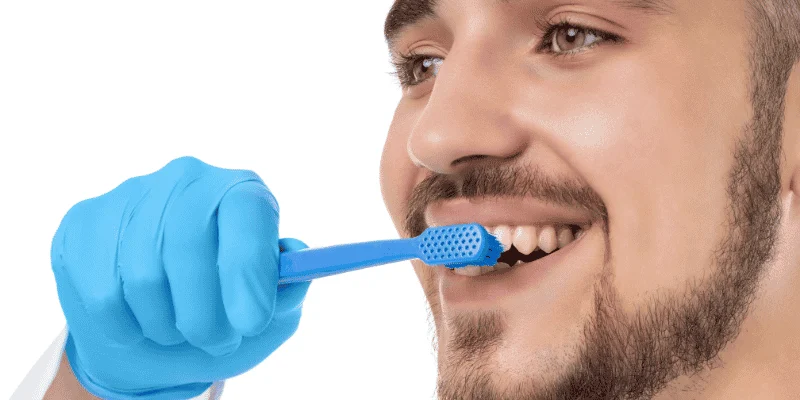
Keeping your mouth clean protects your investment in dental implants. Brush gently around the surgical area using a soft-bristled toothbrush. Avoid the implant site directly for the first few days.
Rinse your mouth with salt water several times a day, especially after meals. Mix one teaspoon of salt in a cup of warm water. This helps reduce bacteria and promotes healing.
Key hygiene practices during recovery:
- Brush twice daily but be gentle near the implant
- Use prescribed antibacterial mouthwash if given by your dentist
- Avoid spitting forcefully or using straws
- Rinse after every meal
- Keep your regular dental check-ups
Don’t skip your oral care routine just because you’re exercising more. Sweat and dehydration during workouts can affect your mouth. Drink plenty of water and rinse after physical activity.
Protecting Your Implants During Sports
Contact sports pose the biggest risk to your new implants. Wait at least 2 to 3 weeks before playing basketball, soccer, or any sport where you might get hit in the face. Even accidental contact can damage healing tissue.
Wear a custom mouthguard once you return to sports. Ask your dentist to fit you for one that protects your implants properly. Over-the-counter guards might not offer enough protection.
Weight lifting can be risky because the strain often leads to jaw clenching. This pressure can disrupt stitches and slow healing. Wait at least two weeks before lifting heavy weights.
Choose low-impact exercises like swimming during early recovery. Avoid diving or underwater activities that create pressure changes in your mouth. Keep your head above water for the first week after your dental implant procedure.
Frequently Asked Questions
Most people want to know exactly when they can get back to their normal routine and what warning signs to watch for during recovery.
The timeline for returning to exercise depends on your healing progress, with light walking possible within days but intense workouts requiring 1-2 weeks of rest.
How long should I wait to resume physical activity after getting dental implants?
You should wait at least 48-72 hours before doing any physical activity after dental implant surgery. This gives your body time to form blood clots and start the healing process at the implant site.
Light activities like walking can begin within 3-5 days for most people. You can take short 5-10 minute walks around your neighborhood during the first few days.
More intense exercise requires a longer wait. You should avoid running, weightlifting, and high-intensity workouts for at least 1-2 weeks after surgery.
If you had multiple implants or bone grafting, your recovery timeline may be longer. These more complex procedures often need 2-3 weeks before you can return to moderate exercise.
Always check with your dentist before returning to your full workout routine. They can look at your healing progress and give you personalized advice based on your specific situation.
Are there specific exercises to avoid following dental implant surgery?
Contact sports like basketball, soccer, and football should be avoided for at least 2-3 weeks. These activities carry a high risk of facial impact that could damage your implant or disrupt healing.
Heavy weightlifting puts too much strain on your body during early recovery. Avoid lifting anything heavier than 10-15 pounds for the first week since this causes you to strain and hold your breath.
High-intensity cardio workouts like running, spinning, and HIIT classes raise your blood pressure too much. The increased pressure can cause bleeding at the implant site and dislodge blood clots needed for proper healing.
Hot yoga and intense yoga flows should wait until after your first week. The heat and inverted positions can increase blood flow to your head and affect the surgical site.
Avoid any exercise that makes you bend over with your head below your heart. This position increases pressure in your head and can cause problems at the implant site.
What signs should I look for that might indicate a problem with my dental implants during exercise?
Heavy bleeding that doesn’t stop with gentle pressure is a red flag. Stop all activity immediately and contact your dental team if you see this happen.
Severe pain that gets worse instead of better means something is wrong. Your pain should gradually decrease over time, not increase, especially during or after exercise.
Significant swelling that appears or gets worse after the first 48 hours needs attention. Some swelling is normal initially, but it should start going down after two days.
A fever above 101°F indicates a possible infection. Stop exercising and call your dentist right away if you develop a fever.
Pus or unusual discharge from the implant site is never normal. This is a sign of infection that requires immediate professional care.
Mild bleeding during exercise means you need to reduce your activity level. This tells you that you’re pushing too hard too soon in your recovery.
Increased throbbing or unusual fatigue during workouts suggests you should slow down. Listen to these signals and give your body more time to heal.
Can I go for a walk or do light exercise after my dental implant procedure?
Yes, you can go for gentle walks starting around day 3-5 after your procedure. Walking is actually one of the best activities during early recovery because it improves circulation without putting stress on your implant.
Keep your walks short at first. Start with just 5-10 minutes and see how you feel.
You can gradually increase your walking time as you heal. By days 4-7, you can extend your walks to 15-20 minutes if you’re feeling good.
Light stretching is also safe during the first week. Just avoid any positions that put your head below your heart or require you to bend over.
Basic yoga poses work well for gentle movement. Skip inversions and intense flows, and stick to simple stretches that keep your head upright.
What precautions should I take while working out to protect my new dental implants?
Keep your head elevated above your heart during the first week. This position helps prevent excess blood flow to the implant site.
Stay well hydrated before, during, and after exercise. Drink plenty of water but avoid using straws for the first week since the suction can disrupt blood clots.
Start at 50% of your normal intensity when you return to regular workouts. You can gradually increase as your healing progresses and you feel stronger.
Breathe through your nose instead of your mouth during exercise. Mouth breathing can dry out the surgical area and slow healing.
Wear a custom mouthguard once you return to contact sports. This protects your investment and prevents damage from accidental impacts.
Stop immediately if you feel any pain, throbbing, or unusual sensations. These are your body’s signals that you need to slow down or rest.
Is swimming safe after getting dental implants, and if so, how soon afterwards?
Swimming should be avoided for at least one week after dental implant surgery. Pools, hot tubs, and natural bodies of water can introduce bacteria to your healing implant site.
The chlorine in swimming pools can irritate healing tissues. Even though chlorine kills some bacteria, it’s not worth the risk during the critical first week of healing.
After one week, you may be able to swim if your dentist approves. Your dentist will check your healing progress at your follow-up appointment and let you know if it’s safe.
Natural bodies of water like lakes, rivers, and oceans should be avoided even longer. These environments carry more bacteria than chlorinated pools and pose a higher infection risk.
Wait at least 2-3 weeks before swimming in natural water. Your implant site needs to be well-healed before exposing it to these environments.