

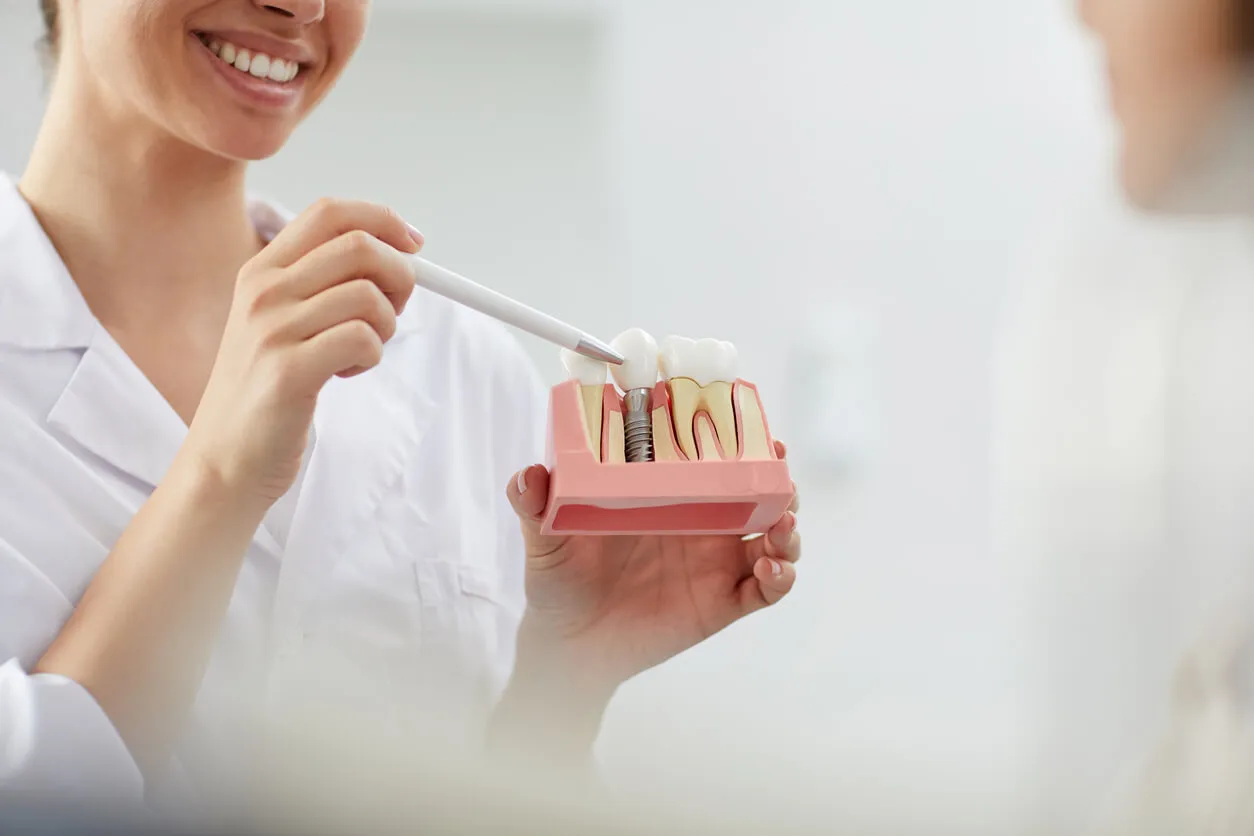
Dental implants are advanced tooth replacement options that mimic the appearance and function of natural teeth. They consist of titanium posts placed into the jawbone, serving as sturdy foundations for dental prosthetics like crowns or bridges. Over time, these implants integrate with the bone, providing a lasting solution that restores your ability to chew, speak, and smile with confidence.
Despite their popularity for restoring appearance and function, dental implants are perceived as costly, invasive, and accompanied by potential risks and complications, which can deter many from pursuing them as a treatment option. Fortunately, there’s a wide range of financing options available these days.
Benefits of Implants
Dental implants offer compelling advantages that enhance daily life:
- Longevity and Durability. Implants are crafted from robust materials designed to withstand daily wear and tear. With proper care and oral health hygiene, they can last for decades, reducing the need for repeated dental procedures and offering a reliable, long-term tooth replacement solution.
- Natural Look and Feel. Meticulously designed to mimic the aesthetics and performance of natural teeth, implants blend seamlessly with your existing teeth. This offers a confident smile that looks and feels as natural as possible, boosting self-esteem in social and professional settings.
- Restored Oral Function. Implants reestablish full oral functionality, allowing you to bite, chew, and speak efficiently without discomfort. Enjoying a wide variety of foods becomes possible, enriching both diet and overall quality of life.
- Preservation of Jawbone Health. Unlike traditional dentures, implants prevent jawbone deterioration by simulating natural tooth roots. This helps preserve bone density and supports the facial structure, avoiding the sunken appearance that comes with missing teeth over time.
Who Needs Dental Implants?
Dental implants are beneficial for a wide array of individuals who face specific dental challenges:
- Those with Extensive Tooth Loss. Individuals who have lost multiple teeth due to decay or trauma find implants to be a transformative solution. Implants not only restore vital functions like chewing and speaking but also improve aesthetics, helping to maintain facial symmetry and appearance that often suffers from tooth loss.
- Individuals with Denture Challenges. For those who experience discomfort or instability with traditional dentures, implants provide a more secure alternative. They eliminate common issues such as slipping and provide a more natural feel, allowing for greater freedom in eating a variety of foods and boosting confidence in daily interactions.
- Candidates with Healthy Gums. Optimal candidates for dental implants typically have healthy gums and sufficient bone density to support the implant posts. However, advancements in dental procedures now allow those with bone loss to consider implants, thanks to bone grafting techniques that can fortify the jawbone, making it viable for successful implantation.
Average Cost of Dental Implants
In the USA, dental implants generally cost between $3,000 and $5,000 per tooth. This estimate encompasses the implant fixture, the abutment, and the crown that restores tooth function. However, this cost can vary significantly based on individual needs and additional procedures that might be required.
For instance, if the jawbone lacks sufficient density, bone grafting could be necessary, potentially raising the overall expense. Insurance coverage for dental implants also varies; while some dental insurance plans might cover a portion of the cost, others may offer no coverage, leaving patients to explore other payment options.
Financing options, such as private insurance, play an essential role in facilitating access to dental implants. A study found that having private health insurance was associated with a two-fold increase in implant prevalence compared to those without insurance or with public insurance. This indicates that financial ability and insurance coverage are significant factors in accessing dental implant treatments.
Factors Affecting Dental Implant Costs
A variety of influencing components shapes the financial outlay for dental implants:
Material and Quality
The materials used in both the implants and accompanying prosthetics significantly impact cost. High-quality materials generally offer greater durability and longevity, which may justify their higher price, providing a more reliable and lasting dental solution.
Regional Factors
Costs can fluctuate based on geographic location, driven by local economic factors and market conditions. Urban areas or regions with a higher cost of living might see elevated pricing compared to rural areas.
Procedure Complexity
The complexity of the dental implant procedure also affects cost. Cases requiring additional steps, such as bone grafting or sinus lifts, entail more labor and resources, potentially increasing the total expense due to the need for extra surgical interventions.
Experience and Technology
Selecting a dental professional with extensive experience and the use of advanced technology might entail a higher initial cost. However, this investment can lead to superior outcomes, reducing the likelihood of problems and the need for future corrective procedures.
Types of Dental Financing
For those seeking dental implants, various financing options can help manage costs according to different financial circumstances:
Dental Loans
These personal loans, specifically designed for healthcare expenses, allow patients to fund their dental procedures without depleting savings. By offering structured monthly payments, dental loans make the process of paying for implants more manageable over time, fitting comfortably into monthly budgets.
Credit Cards
Utilizing major credit cards or specialized medical credit cards can provide immediate access to funds necessary for dental work. While credit cards offer spending flexibility, it’s important to be mindful of interest rates, which can lead to higher long-term costs if not paid promptly.
Payment Plans
Many dental clinics provide in-house payment plans that allow patients to distribute the cost of their dental care over an extended period, making it easier to afford high-quality treatment. These plans often feature interest-free terms, presenting a cost-effective alternative to other financing methods for those who qualify.
Dental Implant Financing Options
Navigating the financial landscape of dental implants involves exploring several viable options, each offering unique benefits:
In-House Financing
Many dental practices provide direct financing solutions tailored to individual treatment plans. Credit requirements vary by office, with some accepting scores as low as 550 and focusing more on income and employment history than credit scores. This option allows for manageable monthly payments that are structured specifically around the patient’s financial situation.
By dealing directly with the dental office, patients can often avoid the higher interest rates associated with other types of financing, making this an appealing choice for those looking to control costs closely or who may not qualify for traditional financing.
Third-Party Financing
Companies like CareCredit offer healthcare-specific credit cards that can be used to cover medical and dental expenses. These cards typically require a minimum credit score of 620-640 for approval, with instant approval often available for scores above 680. They often feature promotional interest-free periods, allowing patients to pay for dental implants over time without accruing additional interest, provided the balance is paid in full within the promotional period.
This flexibility can particularly benefit those seeking to stretch payments across several months.
Insurance Coverage
Although complete insurance coverage for dental implants is uncommon, some dental insurance plans do offer partial coverage. This can significantly reduce the financial burden by covering portions of the procedure, such as the crown or abutment, thereby minimizing out-of-pocket expenses. Patients are advised to review their policy details thoroughly and discuss coverage options with their insurance company to understand the level of financial assistance available.
Flexible Spending Accounts (FSA) and Health Savings Accounts (HSA)
These employer-sponsored plans allow patients to set aside pre-tax dollars for medical and dental expenses, including dental implants. Utilizing FSA or HSA funds can effectively lower the actual cost of implants beyond traditional payment methods, maximizing tax advantages while budgeting for necessary procedures.
Personal Loans and Lines of Credit
Some patients may consider taking out personal loans or accessing home equity lines of credit to finance their dental implants. These options can provide a lump sum of money or flexible funding needs at a lower interest rate compared to credit cards, especially for those with strong credit histories.
Credit Unions and Bank Loans
Credit unions often provide unsecured loans with favorable rates compared to traditional banking institutions. Most traditional banks require credit scores of 670 or higher for the best rates, though some lenders may accept scores as low as 580-600 with higher interest rates.
Credit unions tend to be more flexible with credit requirements, making them an attractive option for members with varying credit profiles. Members may find loans with affordable terms for dental procedures. Exploring these community-based options is worthwhile, especially if credit score requirements align with personal financial profiles.
Medical Tourism
For those willing to travel, seeking dental implant services in countries known for affordable medical care can dramatically reduce costs. Although this involves additional travel expenses, it might offer a comprehensive savings opportunity worth exploring.
Qualifications for Eligibility for Financing Teeth Implants
To qualify for dental implant financing, candidates generally need to meet specific criteria. Key considerations include:
- Credit History. Lenders assess credit scores and past credit activities to evaluate repayment potential. For traditional bank loans, credit scores of 670 or higher typically secure the best rates. Medical credit cards like CareCredit usually require scores of 620-640 for approval. In-house dental financing may be more flexible, sometimes accepting scores as low as 550 while focusing more on income stability. Options exist for those with lower credit scores, including secured loans, co-signers, or high-risk lenders.
- Employment and Income. Proof of stable employment and regular income, such as pay stubs or tax returns, is essential. This documentation reassures lenders of the applicant’s ability to manage monthly payments.
- Application Criteria. The application process involves submitting personal information and financial documents. Lenders may also review the debt-to-income ratio to make sure that an applicant’s debt levels are manageable. Reducing existing debt can boost approval chances.
- Debt-to-Income Ratio. A key factor in financing decisions, this ratio compares monthly debt obligations to income. A lower ratio indicates financial health, enhancing the likelihood of approval. Applicants should maintain a favorable ratio for better terms.
- Co-Signer Option. Applicants with limited credit history may benefit from a co-signer, who can provide additional security to lenders and improve the terms or chances of approval.
Tips for Choosing the Right Financing Option
Selecting the best financing for teeth implants requires thoughtful consideration. Here are practical tips to guide your decision-making process:
Evaluate Financial Situation
Begin by assessing your current financial commitments. Calculate your existing monthly expenses and debt obligations to ascertain how much additional financial burden you can comfortably handle. Understanding your budget will help you choose a plan that aligns with your financial capacity.
Study Interest Rates and Terms
Interest rates and loan terms can significantly impact the overall cost of financing. Compare offers from various sources, such as banks, credit unions, or specialized healthcare lenders. A lower interest rate and favorable repayment terms can make dental implants more affordable over time, so take the time to shop around.
Consult Experts
Speaking with dental office staff or financial advisors who are familiar with dental implant financing can provide valuable insights. They can help you understand the nuances of different financing options and assist in identifying potential pitfalls or advantages you might have overlooked. Expert advice is invaluable in making informed decisions.
Understand Contract Details
Before committing to a financing option, thoroughly review all contractual documents. Pay close attention to the fine print, including fees, penalties for late payments, and any variable interest rates. Clarifying these details upfront prevents unwanted surprises and ensures clarity on your financial obligations.
Check Credit Score First
Before applying for financing, check your current credit score to understand your options. Traditional loans typically require scores of 670+ for best rates, while medical credit cards may approve scores of 620+. In-house financing often has more flexible requirements.
Understanding your credit score helps you target the most appropriate financing options and avoid multiple credit inquiries that could affect your score.
Step Into Your Best Smile: Book Your Consultation Now!
At The Smile Company, we’re dedicated to helping you achieve the beautiful smile you deserve without breaking the bank. With the insights from this guide, you now have a clearer picture of the diverse financing options available for dental implants. Let’s work together to find a personalized plan that fits both your dental needs and financial situation.
Don’t let cost be a barrier to your confidence. Contact us today to book a consultation. Our team is ready to guide you through the process, making sure your journey to a stunning, affordable smile is smooth and stress-free.