

Feeling some movement in your dental implant shortly after surgery can be alarming. You might worry that something went wrong or that you’re facing a serious problem.
The good news is that not all movement means failure, but you do need to understand what’s happening and when to take action.
If your dental implant feels loose after surgery, contact your dentist right away because early intervention can prevent serious complications like infection or complete implant failure.
The sensation of looseness could mean different things. Sometimes it’s just the crown or abutment that needs tightening, which is a simple fix.
Other times, it might signal a more serious issue like failed bone integration or infection around the implant.
Knowing what to look for and how to respond to a loose dental implant after surgery can make all the difference.
This guide will walk you through the warning signs, common causes, and steps you should take to protect your investment and your smile.
Key Takeaways
- Contact your dentist immediately if you notice any movement, pain, or swelling around your implant
- A loose feeling might be the crown or abutment rather than the implant post itself, which affects treatment options
- Good oral hygiene and regular dental visits help prevent implant problems and catch issues early
Table of Content
- Recognizing Signs of a Loose Dental Implant
- Top Causes Behind Implant Loosening After Surgery
- Immediate Steps to Take If Your Implant Feels Loose
- How Dentists Diagnose and Treat Loose Dental Implants
- Protecting Your Implant and Preventing Future Problems
- Frequently Asked Questions
Recognizing Signs of a Loose Dental Implant
Knowing what symptoms to look for can help you catch problems early and get the right treatment.
Some signs point to minor issues like a loose screw, while others signal more serious concerns that need immediate attention.
Common Symptoms to Watch For
If your dental implant feels loose, you might notice several warning signs. Movement is the most obvious symptom.
You may feel the implant or crown shift when you touch it with your tongue or finger.
Pain or discomfort around the implant site often accompanies looseness. This pain might get worse when you chew or put pressure on the area.
Other symptoms include:
- Swelling or redness in your gums around the implant
- Difficulty chewing or biting down
- An unusual taste or smell coming from the implant area
- Changes in how your teeth fit together when you close your mouth
- Bleeding around the implant site
You might also notice that the implant looks different than it did before. The crown could appear tilted or sit at an odd angle compared to your other teeth.
How to Distinguish Between Loose Components
Not all loose dental implants involve the same problem. Sometimes the implant post itself is secure in your jawbone, but other parts have come loose.
A loose crown means the visible tooth part moves while the rest stays stable. You can often wiggle it with your finger.
A loose abutment (the connector piece between the implant and crown) creates a similar feeling but may include a gap between the crown and gum line.
When the implant post is actually loose, the entire structure moves as one unit. This is more serious than a loose crown or abutment.
The movement feels deeper and more concerning because it involves the part embedded in your bone.
When Movement Is Normal in the Healing Process
Some movement during the early healing phase doesn’t always mean trouble.
If you have a temporary crown, slight looseness can be normal since these crowns aren’t meant to be permanent fixtures.
Your dentist intentionally makes temporary crowns less secure to allow for easy removal. This doesn’t mean your implant itself is failing.
Right after surgery, you might feel general tenderness or a sense that something is “off” in your mouth. This is your body adjusting to the implant.
However, the implant post should never actually move during healing. Any real movement of the metal post is a problem that needs attention right away, even in the early weeks after surgery.
Top Causes Behind Implant Loosening After Surgery
A loose implant can happen for several reasons, from how your bone heals to infections or placement issues.
Understanding these causes helps you know what to watch for and when to get help.
Problems With Osseointegration
Osseointegration is the process where your jawbone fuses with the implant to create a stable foundation. This normally takes three to six months after surgery.
When failed osseointegration occurs, your bone doesn’t bond properly with the implant, leaving it unstable.
Several factors can prevent proper bone integration. If you have poor bone quality or density, your jawbone may struggle to fuse with the implant.
Health conditions like diabetes can slow down healing and interfere with bone growth around the implant. Smoking reduces blood flow to your gums and bone, which makes osseointegration much harder.
Your body might also reject the implant material in rare cases. Some people have allergies or sensitivities to titanium, though this is uncommon.
If you take certain medications like bisphosphonates for osteoporosis, these can affect how your bone heals around the implant.
Peri-Implantitis and Infections
Peri-implantitis is an infection that attacks the tissues and bone around your implant. Bacteria build up around the implant site and cause inflammation that destroys the supporting bone.
This is one of the main causes of loose dental implants after the initial healing period.
You can develop this infection if you don’t clean around your implant properly. Food particles and plaque accumulate near the implant and create a breeding ground for harmful bacteria.
The infection starts in your gums and moves deeper into the bone tissue.
Warning signs include red or swollen gums around the implant, bleeding when you brush, and a bad taste in your mouth.
You might notice pus coming from the implant site or feel pain when you touch the area.
Peri-implantitis causes bone loss that makes your implant unstable, and without treatment, it leads to complete implant failure.
Improper Implant Placement and Trauma
Your implant needs to be placed at the correct angle and depth in your jawbone. Improper implant placement during surgery creates stress points that weaken the bond between bone and implant.
If your dentist positions the implant at the wrong angle, it won’t distribute chewing forces evenly.
The implant might be too shallow or too deep in your jawbone. It could also be placed too close to other teeth or in an area with insufficient bone support.
These placement errors cause the implant to move or shift over time.
Physical trauma can also loosen your implant. If you get hit in the face or experience a sports injury, the impact can damage the bone around your implant.
Biting down on hard foods or objects puts excessive pressure on the implant before it fully heals.
Mechanical Issues With Abutments and Crowns
Not all loose feelings mean your actual implant is failing. The abutment connects your implant to the crown, and the screw holding these parts together can become loose.
This is actually one of the more common complications with single-tooth implants, happening in 5% to 12% of cases.
The tiny screw that attaches your crown to the abutment can loosen from normal chewing forces over time. If you grind your teeth at night, this puts extra stress on the connection.
The crown itself might also crack or break, making everything feel unstable.
Common mechanical problems include:
- Loose abutment screw
- Broken or fractured crown
- Worn-out cement holding the crown
- Damaged threads on the implant post
These issues are usually easier to fix than problems with the implant itself.
Your dentist can often tighten the screw or replace the crown without touching the implant in your jawbone.
Immediate Steps to Take If Your Implant Feels Loose
Stop chewing on the affected side right away and contact your dentist or implant specialist as soon as possible. Taking quick action can help prevent further damage and protect your investment in your smile.
What to Avoid Doing at Home
Don’t try to wiggle or touch the implant with your fingers or tongue. This can introduce bacteria and make the problem worse.
Avoid eating hard, crunchy, sticky, or dairy foods that could put pressure on the loose implant. Stay away from nuts, popcorn, sticky candies, and tough meats.
You should also skip chewing gum entirely until your dentist examines the implant.
Never attempt to tighten the implant yourself. Only a board-certified oral surgeon or your dentist has the proper tools and training to adjust dental implants safely.
If you have a loose dental implant, home remedies won’t fix the underlying issue.
Stop smoking immediately if you use tobacco products. Smoking slows healing and increases your risk of implant failure.
Keeping the Area Clean and Protected
Gently brush around the implant area using a soft-bristled toothbrush. Be careful not to apply too much pressure directly on the loose implant.
Rinse your mouth with warm salt water several times a day. Mix half a teaspoon of salt in eight ounces of warm water and swish gently for 30 seconds.
This helps reduce bacteria and keeps the area clean without irritating the tissues.
Continue your normal oral hygiene routine for the rest of your teeth. Clean teeth help prevent infection from spreading to the implant site.
Avoid mouthwashes that contain alcohol, as these can dry out your mouth and irritate the gums around your implant.
When to Seek Emergency Dental Care
Contact a certified oral surgeon or your implant specialist immediately if you notice any of these warning signs:
- Severe pain that doesn’t improve with over-the-counter pain medication
- Heavy bleeding from the implant site
- Swelling that spreads to your cheek, jaw, or neck
- Fever above 101°F
- Pus or discharge around the implant
- Difficulty breathing or swallowing
A loose dental implant requires immediate professional care to prevent bone loss, infection, or complete implant failure.
Don’t wait for your regular dental appointment if you’re experiencing significant discomfort or any emergency symptoms.
How Dentists Diagnose and Treat Loose Dental Implants
When you visit your dentist about a loose implant, they’ll perform specific tests to find the exact problem and then create a treatment plan based on what’s causing the looseness.
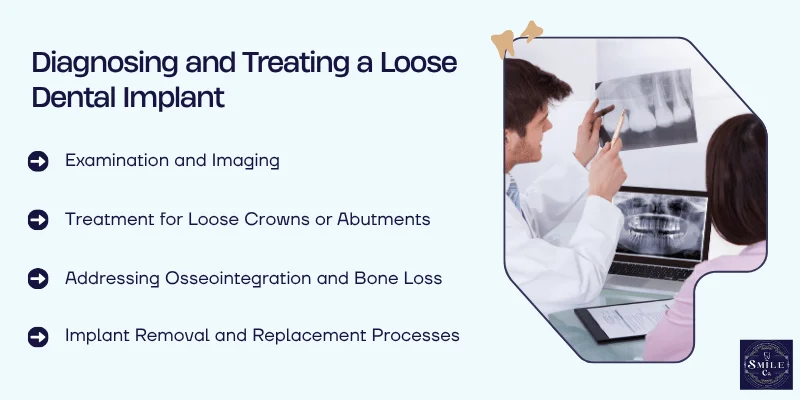
Examination and Imaging
Your dentist will start with a physical exam to check which part of your implant is loose. They’ll gently test the crown, abutment, and implant itself to see where the movement is coming from.
This helps them figure out if it’s a simple fix or something more serious.
They’ll also take X-rays or use other imaging tools to see what’s happening below your gum line. These images show how well the implant has bonded to your jawbone and whether there’s any bone loss around it.
Your dentist might also review your medical history to look for risk factors like diabetes or smoking that could affect healing.
Some dentists use special tools to measure implant stability. They want to see if the problem is just a loose screw or if the entire implant is moving in your jawbone.
Treatment for Loose Crowns or Abutments
If your crown or abutment is loose but the implant itself is stable, your dentist can often fix this quickly.
Loose screws are actually one of the more common complications, affecting 5-12% of single-tooth implant crowns within 1.2 to 7 years.
Your dentist will carefully remove the loose crown or abutment and check the connecting screw. They’ll clean the components and tighten or replace the screw using the proper torque.
Sometimes they’ll apply a special sealant to prevent future loosening.
In most cases, you can leave the office the same day with your implant feeling secure again.
This is usually the best-case scenario when dealing with a loose dental implant.
Addressing Osseointegration and Bone Loss
When bone loss or infection is causing your implant to loosen, treatment becomes more involved. Your dentist will need to clean the area thoroughly to remove bacteria and infected tissue.
You might receive antibiotics to clear up the infection.
If you have peri-implantitis (inflammation around the implant), your dentist will perform a deep cleaning around the implant site.
They’ll remove plaque and tartar buildup that’s causing the infection.
Sometimes they use special tools or lasers to clean the implant surface.
For more severe bone loss, you might need bone grafting surgery. This procedure adds bone material to the area to help support the implant.
After the graft heals, your implant may become stable again.
Implant Removal and Replacement Processes
Sometimes implant removal is necessary when the implant hasn’t properly fused to your jawbone or is too damaged to save. Your dentist will carefully remove the failed implant and clean the socket.
This process is usually done under local anesthesia.
After removal, your jaw needs time to heal. This healing period typically lasts several months.
Your dentist might place a bone graft during this time to rebuild the area and prepare it for a new implant.
Once your jawbone has healed properly, you can get a new implant placed. The success rate for replacement implants is still very high when the underlying cause of the first failure has been addressed.
Protecting Your Implant and Preventing Future Problems
Taking care of your dental implant after surgery helps ensure it heals properly and lasts for many years.
Simple daily habits, regular dental visits, and protecting your implant from excess pressure can maintain implant stability and prevent complications.
Best Practices for Oral Hygiene
Keep your mouth clean by brushing twice a day with a soft-bristled toothbrush. Focus on the area around your implant, but be gentle during the first few weeks of healing.
Floss daily using unwaxed floss or a water flosser designed for implants. These tools remove food particles and bacteria without damaging the implant site.
You should also rinse with an antimicrobial mouthwash to reduce bacteria that can cause infection.
Avoid using abrasive toothpaste that might scratch the implant crown. Your implant specialist can recommend specific products that work best for your implant type.
Important daily care steps:
- Brush gently around the implant area
- Use floss threaders or interdental brushes
- Rinse with prescribed or alcohol-free mouthwash
- Avoid smoking, which slows healing
Regular Check-Ups and Monitoring
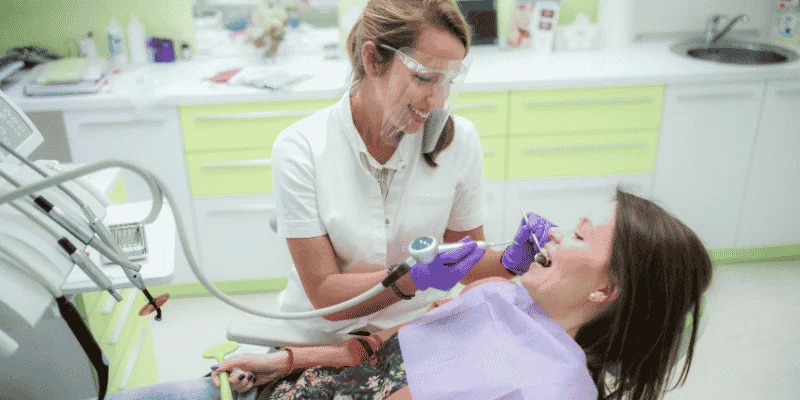
Schedule follow-up appointments with your dentist every three to six months during the first year after surgery. These visits let your dentist check how well your implant has integrated with the jawbone.
Your dentist will take X-rays to monitor bone health and check for any signs of infection or bone loss.
Early detection of dental implant problems helps prevent serious complications that could cause loosening.
Regular cleanings remove plaque buildup that brushing alone might miss. Report any changes in how your implant feels right away, including movement, pain, or swelling around the area.
Addressing Bite and Lifestyle Factors
Protect your implant from excessive force by avoiding hard foods like ice, hard candy, and popcorn kernels. Biting down on these items can damage the implant or loosen the crown.
If you grind your teeth at night, ask your dentist about getting a custom night guard. Grinding puts constant pressure on your implant and can cause it to fail over time.
A night guard distributes bite force evenly and protects both your implant and natural teeth.
Be careful with sticky foods during the healing period. Foods like caramel or chewy candy can pull on the implant site.
Cut hard vegetables and fruits into smaller pieces instead of biting directly into them with your front teeth if that’s where your implant is located.
Frequently Asked Questions
A loose implant can raise many questions about what’s normal, when to seek help, and what treatments are available.
The answers below address the most common concerns patients have when their implant doesn’t feel stable.
How can I tell if it’s the implant itself or just the crown that feels loose?
The easiest way to tell is by gently pressing on the tooth with your tongue or finger. If the visible tooth portion moves but you don’t feel deep movement near your gumline, it’s likely just the crown.
A loose crown is typically the best-case scenario since it can usually be tightened or re-cemented without affecting the implant post.
If the movement feels deeper and involves the area where the implant meets your jawbone, the implant post itself may be loose.
You should never try to determine this on your own by wiggling or testing the implant repeatedly. Call your dentist for a proper examination to identify which component is causing the problem.
Is a slightly moving implant after surgery considered an emergency?
The implant should never feel loose, even right after surgery. Any movement of the actual implant post is not normal and needs immediate attention from your surgeon.
While you might feel some tenderness or pressure sensitivity during healing, actual looseness indicates a problem.
The implant needs to stay completely stable while the bone integrates around it over three to six months.
Contact your oral surgeon as soon as you notice any movement. Early intervention can sometimes save the implant or prevent complications.
What symptoms should make me call my surgeon or dentist right away?
You should call immediately if you experience pain alongside the looseness in your implant. Other warning signs include swelling, redness, bleeding around the implant site, or a bad taste in your mouth.
Fever or increasing discomfort also require urgent attention. These symptoms could indicate infection or implant failure that needs treatment right away.
Even without pain, any feeling of movement in the implant itself warrants a same-day or next-day appointment. Don’t wait to see if it gets better on its own.
Can a loose implant be saved, and what are the usual next steps?
Sometimes a loose dental implant can be saved. If the movement comes from a loose crown or abutment screw, the implant may be repaired quickly without removing the implant post itself.
Your dentist will first examine which part is loose. A loose crown can often be re-cemented or replaced. A loose abutment can usually be tightened or replaced without damaging surrounding structures.
If the implant post itself is loose, the situation is more serious. Your dentist will need to remove the implant completely and address whatever caused the failure before placing a new one.
If the implant feels loose but there’s no pain, should I still be worried?
Yes, you should still be concerned even without pain. A loose abutment often won’t cause any pain, but it still needs professional attention to prevent further damage.
Pain isn’t always present in the early stages of implant problems. Waiting until you feel pain could allow the problem to worsen and make treatment more difficult.
Schedule an appointment with your dentist as soon as possible. Don’t chew on that side of your mouth and avoid trying to tighten the implant yourself while you wait for your visit.
How much does it typically cost to tighten or repair a loose implant crown?
The cost varies widely depending on what needs to be fixed. Simply tightening a loose abutment screw might cost between $100 to $300 at many dental offices.
If the crown needs to be re-cemented, you might pay $150 to $400. A completely new crown can cost anywhere from $1,000 to $3,000 depending on the material and your location.
Your dental insurance may cover some repair costs, especially if the looseness happened soon after the original placement. Contact your dentist’s office for a specific estimate based on your situation and insurance coverage.