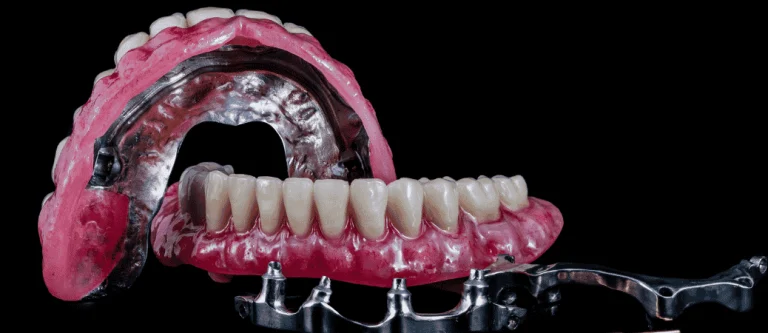



Getting dental implants means waiting several months for your jawbone to heal and fuse with the implant posts. During this time, you likely need temporary teeth to fill the gaps in your smile.
You can eat with temporary teeth during implant healing, but you need to stick to soft foods and avoid putting too much pressure on the healing implant site.
Learning what foods work best and which ones to avoid helps protect your investment and keeps you comfortable.
Temporary teeth options like flippers, temporary crowns, or bridges let you maintain a normal appearance and some chewing function while you wait for your permanent teeth.
The key is knowing how to eat safely without damaging your temporary teeth or disturbing the healing process.
Your diet plays a big role in how well your implants heal and how comfortable you feel during recovery. Making smart food choices protects both your temporary teeth and the implant site underneath.
This guide walks you through what to eat, what to avoid, and how to care for your mouth during the healing period.
Key Takeaways
- Soft foods protect your healing implants and temporary teeth from damage during recovery
- Temporary teeth help you maintain your smile and eating ability while implants heal over several months
- Proper care of temporary teeth and following diet guidelines supports successful implant healing
Book Your Implant Healing Consultation in Greenville South Carolina
Understanding Temporary Teeth in the Implant Healing Process
When you get dental implants, your mouth needs time to heal before the permanent tooth can be attached.
Temporary teeth help you maintain a normal appearance and basic function during the months-long healing period while your jawbone fuses with the implant post.
Role of Temporary Teeth After Dental Implant Surgery
Temporary teeth during implants serve multiple important functions beyond just filling the gap in your smile. They help you eat, speak clearly, and feel confident in social situations while your mouth heals.
Your temporary teeth also protect the surgical site from food particles and bacteria. This protection is crucial during the early healing stages when your gums are most vulnerable.
Key functions of temporary teeth include:
- Maintaining proper spacing between surrounding teeth
- Supporting your facial structure to prevent a sunken appearance
- Allowing you to chew food on the opposite side of your mouth
- Keeping your tongue from developing bad habits that could affect the implant site
Temporary teeth help prevent bone loss by maintaining pressure on your jawbone. Without this stimulation, your jaw can start to shrink during the healing period.
How Osseointegration and Implant Healing Work
Osseointegration is the process where your jawbone grows around and bonds with the titanium implant post. This natural fusion creates a strong foundation for your permanent tooth.
The process typically takes 3-6 months to complete.
During the first few weeks after dental implant surgery, your body forms new bone cells around the implant surface. Your jawbone gradually strengthens its connection to the metal post throughout the healing period.
Osseointegration timeline:
- Weeks 1-2: Initial healing and blood clot formation
- Weeks 3-8: Early bone growth begins around the implant
- Weeks 9-16: Bone density increases and implant integration strengthens
- Weeks 17-24: Final maturation for complex cases requiring bone grafts
Your dentist monitors implant healing through regular check-ups and X-rays.
Successful osseointegration depends on factors like your overall health, bone quality, and following proper care instructions during the healing process.
Start Your Implant Recovery the Right Way Today
Types of Temporary Teeth and Their Benefits
Different temporary tooth options serve specific purposes during implant healing, from single-tooth replacements like temporary crowns to full-arch solutions.
Your choice depends on how many teeth you’re replacing and where they’re located in your mouth.

Temporary Tooth Options: Crowns, Bridges, and Dentures
A temporary crown fits over a single implant site and protects the area while your bone heals. These fixed temporary crowns offer stability because they stay in place during eating and speaking. You can brush them just like natural teeth.
Temporary bridges attach to the teeth on either side of your gap. They work well when you’re missing one to three teeth in a row. These temporary restorations stay fixed in your mouth and feel more permanent than removable options.
Removable partial dentures replace multiple missing teeth in different areas of your mouth. They clip onto your existing teeth and you can take them out for cleaning.
While they’re less stable than fixed options, they cost less and work for various tooth patterns.
Immediate dentures are created before your tooth extraction and placed right after. Full-arch options like All-on-4 temporary teeth replace an entire upper or lower arch.
These temporary dental solutions let you leave the dental office with teeth the same day.
When to Use an Essix Retainer, Flipper, or Immediate Denture
Essix retainers are clear plastic devices with artificial teeth built in. They’re nearly invisible and work best for front teeth where appearance matters most.
However, you should remove them when eating hard or sticky foods because they’re fragile.
Flipper dentures are lightweight removable plates that replace one or two teeth. A flipper denture costs less than other temporary tooth replacement options but offers less stability. You’ll need to remove it during meals and clean it daily.
An immediate denture makes sense when you’re having all your teeth removed at once. Your dentist takes impressions before extraction so you never go without teeth.
The fit changes as your gums heal, requiring adjustments over several months.
Your dentist will recommend the best temporary tooth based on how many teeth you’re replacing and your budget.
Fill Out the Patient Form Before Your Implant Visit in Greenville South Carolina
Eating and Diet Guidelines During Implant Healing
Your temporary teeth need special care during the healing process, and knowing which foods support recovery while avoiding those that could damage your implants makes a significant difference in successful osseointegration.
What to Eat With Temporary Teeth
Soft foods are your best choice during the early healing phase. They put minimal pressure on your temporary crowns and allow your jawbone to stabilize around the implant without disruption.
Protein-rich options help support tissue repair and bone integration:
- Scrambled or poached eggs
- Greek yogurt
- Cottage cheese
- Soft-cooked fish
- Ground turkey or chicken
- Hummus
Fruits and vegetables provide vitamins that aid healing:
- Mashed bananas
- Applesauce
- Steamed carrots (very soft)
- Mashed sweet potatoes
- Avocado
- Cooked spinach
Grains and starches offer energy without requiring heavy chewing:
- Oatmeal
- Well-cooked pasta
- Mashed potatoes
- Soft rice
- Cream of wheat
Most dentists recommend eating soft foods for 7-14 days after implant placement. The exact timeline depends on your specific procedure and healing speed.
Choose foods at room temperature or lukewarm, as extreme temperatures can trigger sensitivity during healing.
Foods to Avoid and Why
Hard, crunchy, or sticky foods pose serious risks to implant stability during osseointegration. These foods can dislodge blood clots, irritate surgical sites, or even disturb the implant before it properly integrates with your bone.
Completely avoid these foods:
| Food Type | Examples | Why They’re Harmful |
| Hard/Crunchy | Nuts, chips, popcorn, raw carrots, crusty bread | Can damage temporary crowns or shift implants |
| Sticky/Chewy | Caramel, taffy, gum, bagels | Pull on temporary teeth and stress healing tissue |
| Spicy/Acidic | Hot sauces, citrus, vinegar dishes | Irritate surgical sites and delay healing |
| Requires Heavy Chewing | Tough meats, granola, crusty pizza | Creates excessive pressure on implants |
Avoid using straws during recovery. The suction can dislodge blood clots and disrupt healing. Also skip carbonated drinks and alcohol, as they can interfere with tissue repair and medication effectiveness.
Chew on the opposite side of your mouth from where the implant was placed. This protects your temporary teeth from excessive force while the bone heals around the implant.
Transitioning Textures as Healing Progresses
Your return to normal eating should happen gradually as your implant becomes more stable. Rushing this process can compromise osseointegration.
Week 1-2: Stick strictly to soft foods that require no chewing. Think pureed soups, smoothies, and mashed foods.
Week 3-4: Begin introducing semi-soft foods if your dentist approves:
- Soft-cooked vegetables
- Flaked fish
- Ground meat
- Soft breads without crust
Week 5-8: Gradually add firmer textures while monitoring for discomfort:
- Tender chicken
- Cooked vegetables with slight firmness
- Softer raw fruits
After 3 months: Most patients can return to their regular diet once the implant fully integrates with the jawbone.
Pay attention to your body’s signals. Any pain, pressure, or discomfort means you should return to softer foods.
Contact your dentist immediately if you notice increasing pain, persistent bleeding, or looseness in your temporary crowns, as these can indicate healing problems.
Caring for Temporary Teeth and Supporting Healing
Keeping your temporary teeth clean and protecting the implant site are both needed to help your jawbone heal properly and avoid infection. Gentle daily care prevents complications while your implant post bonds with the bone.

Daily Cleaning Routines for Temporary Restorations
Brush your temporary teeth twice a day using a soft-bristled toothbrush. This keeps them clean without damaging the prosthetic material.
Use gentle, circular motions and avoid scrubbing too hard. Non-abrasive toothpaste works best because regular toothpaste can scratch or dull the surface of your temporary restoration.
Rinse your mouth with warm salt water after meals to remove food particles. Mix about half a teaspoon of salt in a cup of warm water and swish gently for 30 seconds.
Avoid alcohol-based mouthwashes during early healing since they can irritate your gums and slow down recovery. If you have removable temporary teeth like a flipper, take them out before bed and soak them in denture cleaning solution.
Clean all surfaces carefully before putting them back in your mouth. Proper prosthetic care protects both your temporary teeth and the healing area underneath.
Maintaining Implant Site Health and Hygiene
Keep the area around your implant post clean to support successful implant integration. Avoid brushing directly over the surgical site until your dentist says it’s safe, usually after stitches dissolve.
Gentle rinsing with salt water helps keep bacteria away without disturbing the healing tissue. Don’t use a water flosser near the implant site during the first few weeks since the pressure might damage delicate gum tissue.
Your jawbone health depends on avoiding infection and letting the bone grow around the implant properly. Watch for signs of problems like increased swelling, pain, or bad taste in your mouth.
If you notice any of these, contact your dentist right away. Follow all aftercare instructions your dentist gives you, including any prescribed antibiotics or special rinses that support healing and protect your investment in maintaining implant site health.
Transitioning From Temporary to Permanent Restorations
The move from temporary to permanent teeth happens after your implant has fully bonded with your jawbone, typically taking 3-6 months. Your dentist will confirm the implant is stable before creating your final restoration that matches your natural teeth.
Timeline for Getting Permanent Implants
Most patients wear temporary teeth for 3 to 6 months during the healing period. This timeframe allows your jawbone to fuse with the titanium implant through a process called osseointegration.
Your dentist will schedule checkups throughout this period to monitor healing. They’ll take X-rays to confirm the bone has properly integrated with the implant before moving forward.
Some cases need more time, especially if you required bone grafting. A full-arch implant restoration may take longer than a single tooth replacement. Your specific healing timeline depends on factors like your overall health, bone quality, and whether you smoke.
Once your dentist confirms successful integration, they’ll take impressions or digital scans of your mouth. The lab uses these to create your permanent crown, bridge, or denture. This fabrication process usually takes 2-3 weeks.
What to Expect During the Transition
Your dentist will carefully remove your temporary restoration at your final appointment. They’ll check that the implant site has healed properly and clean the area.
Next, they’ll attach an abutment (a connector piece) to your implant if one isn’t already in place. This small component serves as the foundation for your permanent tooth. The abutment may cause minor sensitivity for a day or two.
Your permanent restoration gets secured to the abutment. Your dentist will check your bite and make adjustments to ensure comfort. The new tooth should feel natural and function like your original teeth.
You might notice the permanent restoration feels different from your temporary one at first. The permanent version is typically stronger and fits more precisely.
Most people adjust within a few days and can resume normal eating habits.
Frequently Asked Questions
Knowing what you can eat with temporary teeth protects your healing implants and keeps you comfortable during recovery.
The right food choices and care habits make a big difference in how quickly you heal and how well your temporary teeth work.
What foods should I avoid while my implants are healing?
You need to stay away from hard and crunchy foods that could damage your temporary teeth or disturb the healing area. Skip foods like nuts, chips, raw carrots, apples, hard candy, and popcorn during your recovery period.
Sticky foods are also off limits because they can pull on your temporary teeth and loosen them. Avoid caramel, taffy, gummy candies, and chewing gum until your dentist gives you the green light.
Very hot or cold foods might cause discomfort around your healing implant site. Stay away from ice cream eaten directly from the freezer, piping hot soup, or frozen treats for the first few weeks.
Acidic foods and drinks can irritate your healing gums and should be limited. This includes citrus fruits, tomato sauce, soda, and fruit juices with high acid content.
Can I chew gum with temporary teeth during the implant healing period?
You should not chew gum while wearing temporary teeth or during your implant healing period. Gum creates sticky forces that can dislodge your temporary teeth or put unwanted pressure on your healing implants.
The chewing motion itself can also disturb the healing process around your implant site. Your implant needs to stay stable while your bone grows around it, and repetitive chewing movements from gum can interfere with this process.
Wait until your dentist clears you and you have your permanent restoration in place before resuming gum chewing. This typically happens after your implant has fully healed and integrated with your jawbone.
How soon after getting temporary teeth can I resume eating normally?
Most patients can return to eating softer solid foods within 1-2 weeks after their dental implant surgery. You’ll need to stick with very soft foods during the first few days immediately after your procedure.
A near-normal diet usually becomes possible within 3-4 weeks, depending on how many implants you received and how well you’re healing. Your individual timeline may be different based on your specific situation.
Full normal eating typically waits until after your permanent restoration is placed. This happens once your implant has fully integrated with your jawbone, which takes 3-6 months for most people.
Your dentist will guide you through each stage and tell you when it’s safe to add different foods back into your diet. Always follow their specific recommendations for your case.
What are the best foods to eat during the first week after receiving temporary teeth?
Soft proteins are ideal during your first week because they provide nutrition without requiring much chewing. Try scrambled eggs, flaky fish, smoothies with protein powder, and soft tofu.
Cooked vegetables that are tender and easy to mash with your tongue work well. Good options include mashed potatoes, pureed squash, steamed carrots that are very soft, and well-cooked green beans.
Smooth soups and broths help you stay hydrated while providing nutrients. Choose cream-based soups, bone broth, or pureed vegetable soups that don’t have chunks requiring chewing.
Dairy products like yogurt, cottage cheese, soft cheeses, and pudding are gentle on your healing mouth. These foods also provide calcium which supports your bone healing.
Pasta and rice cooked until very tender make good meal bases during your first week. You can add soft proteins and vegetables to create complete meals that don’t stress your temporary teeth.
Are there any tips for making eating easier while my implants heal?
Cut your food into very small pieces before putting it in your mouth. This reduces the amount of chewing needed and makes eating more comfortable with temporary teeth.
Chew on the opposite side of your mouth from where your implant was placed. This protects the healing area from pressure and reduces the risk of damaging your temporary teeth.
Take smaller bites and eat more slowly than you normally would. Rushing through meals can lead to accidentally biting down too hard or putting unwanted stress on your temporary teeth.
Let hot foods cool down to a warm temperature before eating them. This prevents discomfort around your sensitive healing tissues.
Stay hydrated by drinking plenty of water with your meals. Water helps wash away food particles and keeps your mouth clean between brushings.
How do I care for my temporary teeth when eating to prevent damage?
Remove your temporary teeth after each meal if they are removable. Clean them thoroughly with a soft-bristled toothbrush and mild soap or denture cleaner before putting them back in your mouth.
Rinse your mouth with warm salt water after eating to keep the area around your implant clean. This simple step helps prevent infection and supports healthy healing.
Handle your temporary teeth carefully when removing and cleaning them. Hold them over a soft towel or basin of water to prevent damage if you accidentally drop them.
Avoid using regular toothpaste on removable temporary teeth because it can be too abrasive. Use products specifically designed for dentures or temporary restorations instead.
Store your temporary teeth properly when you’re not wearing them. Keep them in a denture cleaning solution or plain water overnight to prevent them from drying out and warping.