

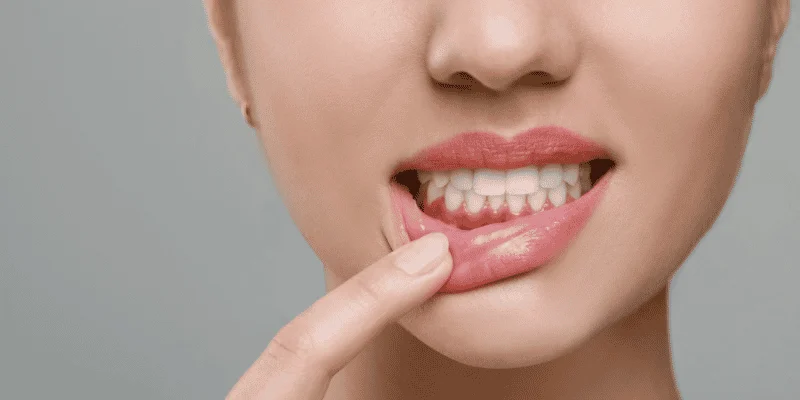
You may want dental implants to replace missing teeth, but your mouth and overall health decide if you qualify. Implant eligibility depends on healthy gums, enough jawbone, and medical conditions that allow proper healing.
Your oral health directly affects whether dental implants can bond to your jawbone and succeed long term.
Gum disease, untreated infections, and bone loss can block tooth replacement with implants. Conditions like uncontrolled diabetes or heavy smoking can also slow healing and raise the risk of failure.
The good news is that many of these issues can improve with the right care.
When you understand what affects implant eligibility, you can take clear steps to protect your health and move closer to a stable, lasting solution for missing teeth.
Key Takeaways
- Healthy gums and enough jawbone are essential for dental implants to succeed.
- Certain health conditions and habits can delay or prevent implant placement.
- Many barriers to tooth replacement can improve with proper treatment and planning.
Table of Content
- Core Requirements for Dental Implant Candidacy
- Medical Conditions Impacting Implant Success
- Oral Diseases and Local Barriers to Implant Placement
- Bone Loss, Tooth Loss, and Solutions for Insufficient Support
- Lifestyle Factors and Medications Affecting Implant Eligibility
- Frequently Asked Questions
Core Requirements for Dental Implant Candidacy
Your dentist reviews your gums, jawbone, daily habits, and medical history before approving dental implant surgery. These factors decide if your mouth can support strong osseointegration and long-term implant stability.
Healthy Gums and Periodontal Status
Healthy gums are the base for implant candidacy. Your gum tissue must be firm, pink, and free from infection before surgery.
If you have gum disease or periodontitis, your dentist will treat it first. Active infection can damage the bone and block proper healing. Inflammation around the implant site raises the risk of implant failure.
Dentists often measure pocket depth and check for bleeding to assess periodontal health. You may need deep cleaning or periodontal therapy before moving forward.
When your gums are stable and free of infection, your mouth has a better chance to heal well after implant placement.
Sufficient Jawbone Density and Volume
Your jaw must have enough jawbone density and jawbone volume to hold the implant securely. Implants fuse with bone through a process called osseointegration. Without enough bone, the implant may not stay stable.
Dentists use X-rays or CBCT imaging to measure bone density and check bone shape. These scans show the exact height and width of your jaw.
Candidacy often depends on three areas: bone quality, overall health, and the oral environment. Some patients need bone grafting before implant surgery if bone volume is low.
If your bone is strong and thick enough, your implant has a solid base for long-term support.
Commitment to Oral Hygiene
Your daily habits matter. Strong oral hygiene supports healing and long-term implant success.
You must brush twice a day and floss daily. Poor oral hygiene allows plaque to build up around the implant. This can lead to inflammation and bone loss.
Dentists look for signs that you already care for your teeth and gums. Regular checkups and cleanings show that you follow through on care.
Providers often explain how oral hygiene, bone health, and other factors affect who qualifies for dental implants. If you commit to routine care, you lower your risk of complications after surgery.
General Medical Clearance
Your overall health affects how well you heal. Before dental implant surgery, your dentist may request medical clearance from your physician.
Certain conditions need stable control. For example:
- Uncontrolled diabetes can slow healing
- Smoking can reduce blood flow
- Immune disorders may increase infection risk
Dentists review your medical history and medications. They want to confirm that your body can recover after surgery.
Many clinics outline key health factors that influence dental implant candidacy.
When your medical conditions are managed and your doctor approves treatment, you improve your chances of a smooth recovery and long-term implant success.
Medical Conditions Impacting Implant Success
Some health problems change how your body heals, fights infection, and builds bone. If you manage these issues well, you can often move forward with implants safely.

Uncontrolled Diabetes and Glycemic Control
If you have uncontrolled diabetes, your body may struggle with wound healing after implant surgery. High blood sugar slows blood flow and raises your risk of infection. This can increase the chance of implant failure.
Dentists often check your HbA1c (A1c) levels before surgery. HbA1c shows your average blood sugar over the past three months. Many providers prefer A1c levels under 7% for safer implant treatment.
Levels above 8% often signal poor glycemic control and higher risk.
You can lower your risk by working with your doctor to stabilize blood sugar before surgery. Careful planning, antibiotics, and close follow-up visits also help protect your results.
Osteoporosis and Bone Health Concerns
Osteoporosis reduces bone density and changes normal bone remodeling. Because implants depend on strong bone support, low density can affect stability during healing.
Your dentist may order imaging to check bone quality before placing an implant. In some cases, bone grafting improves support.
Medications matter, too. Bisphosphonates and certain injections for osteoporosis can increase the risk of jaw bone problems. Long-term use has been linked to rare cases of delayed healing.
If you take steroids or corticosteroids, healing may take longer. Your dental team may adjust the surgical plan or healing time to match your bone condition.
Autoimmune Disorders and Immunosuppressive Medications
If you live with autoimmune conditions like rheumatoid arthritis or Sjögren’s syndrome, your immune system may not respond in a typical way. Some immune disorders slow wound healing or raise infection risk.
Many people with these conditions take drugs that suppress the immune system. Long-term steroids, biologic drugs, or recent chemotherapy can reduce your body’s ability to fight bacteria after surgery.
Dry mouth from Sjögren’s syndrome also increases plaque buildup, which may affect implant health over time.
The good news is that many patients still qualify.
Your dentist may request medical clearance and schedule surgery during a stable phase of your illness.
Heart Disease and Blood Thinners
If you have heart disease, your dentist will review your medical history in detail. Stable heart conditions often allow implant treatment, but timing and monitoring matter.
Many heart patients take blood thinners such as warfarin or newer anticoagulants. These drugs reduce clotting and can increase bleeding during surgery.
Your dentist and physician may adjust the dose before the procedure, but you should never stop medication on your own.
Reduced blood flow from certain heart conditions can also affect healing.
With medical coordination and careful surgical technique, many patients with heart disease complete implant treatment safely.
Oral Diseases and Local Barriers to Implant Placement
Active gum infections, plaque buildup, and bone loss can block implant treatment or raise your risk of failure. You need stable bone and healthy gums before a surgeon places an implant.
Periodontitis and Its Effects on Implants
Periodontitis is a serious form of gum disease that destroys the bone and tissue that support your teeth. When this bone shrinks, you may not have enough support to hold a dental implant.
Bone loss from periodontitis also raises your risk of implant failure. Bacteria that caused the original infection can infect the tissues around the implant.
A history of periodontal disease increases complications after implant placement.
You may also face changes in gum shape and thickness. Thin or damaged tissue makes it harder to seal the implant against bacteria. Your dentist will check bone levels, gum depth, and bleeding before approving surgery.
Managing Gum Disease Before Implant Surgery
You must treat gum disease before you move forward with implants. Dentists often start with scaling and root planing, a deep cleaning that removes plaque and bacteria below the gum line.
If infection remains, you may need antibiotics or minor gum surgery. The goal is simple: no active inflammation and stable bone levels.
Guidance from the AO/AAP consensus on prevention and management of peri‑implant diseases stresses early control of infection and careful monitoring. Your dentist will measure pocket depths and confirm that your gums do not bleed easily.
You may also need bone grafting if periodontitis caused severe bone loss. Healthy gums and enough bone create a stable base for long‑term implant success.
Risks Posed by Poor Oral Hygiene
Poor oral hygiene allows plaque to build up around teeth and implants. Plaque contains bacteria that irritate the gums and trigger inflammation.
The Association of Dental Implantology lists poor oral hygiene as a key implant risk factor. If you do not brush and floss well, bacteria can damage both natural teeth and implants.
You lower your risk by brushing twice a day, flossing daily, and attending regular cleanings. Your dentist may recommend special brushes or water flossers to clean around implants.
If you already struggle with daily oral care, your dentist may delay surgery. You must show that you can keep the area clean to protect your investment.
Addressing Peri-Implantitis
Peri‑implantitis is an infection that affects the bone and tissue around an implant. It acts much like periodontitis but targets the implant instead of a natural tooth.
This condition often starts as mild inflammation called mucositis. Without treatment, it can lead to bone loss and possible implant failure.
Early detection improves outcomes. Dentists treat it with deep cleaning around the implant, antiseptic rinses, and sometimes surgical therapy.
You protect yourself by keeping excellent oral hygiene and attending follow‑up visits. Healthy gums, low plaque levels, and routine exams help stop small problems before they become serious.
Bone Loss, Tooth Loss, and Solutions for Insufficient Support
When you lose a tooth, your jawbone starts to change. Lower bone density and reduced jawbone volume can limit your options, but modern procedures can often rebuild support or offer practical alternatives.
Consequences of Tooth Loss on Jawbone Volume

When you have missing teeth, your jawbone no longer receives pressure from chewing. That pressure keeps the bone active. Without it, bone remodeling slows, and your body begins to break down bone in that area.
Studies show bone loss can begin within months after tooth loss. As jawbone density drops, the ridge that once held your tooth becomes thinner and shorter. This loss can affect your bite and facial shape.
You may also notice nearby teeth shifting. Gaps can trap food and increase the risk of gum disease.
Your dentist will often use CBCT imaging to measure jawbone volume and bone density. This 3D scan helps determine if you have enough support for an implant or if you need bone grafting procedures first.
Bone Grafting Options
If your jawbone density is too low, a bone graft can rebuild lost structure. During bone grafting, your dentist places graft material in the area where bone has shrunk. Over time, your body replaces that material with new bone.
Graft material may come from your own body, a donor, or a synthetic source. Each type supports new bone growth.
Common bone grafting procedures include:
- Socket grafts placed right after tooth removal
- Ridge augmentation to widen thin bone
- Larger grafts for areas with severe bone loss
Healing can take several months. After the graft integrates, your dentist reassesses the site with imaging before placing the implant.
Sinus Lift Procedures
If you are missing upper back teeth, bone loss can reduce the height of your upper jaw. The sinus cavity may sit too close to the implant site. In this case, you may need a sinus lift.
A sinus lift adds bone beneath the sinus membrane. Your surgeon gently raises the membrane and places bone graft material in the space. This increases vertical bone height.
Healing usually takes several months. After that, your dentist checks stability before placing the implant.
This procedure is common for people who want implants but lack upper jaw support.
Alternatives to Dental Implants
If bone grafting or a sinus lift is not right for you, you still have options. Some people have medical limits, cost concerns, or prefer shorter treatment time.
Removable dentures and partial dentures replace missing teeth without surgery. They rest on your gums and can restore basic chewing function. However, they do not prevent ongoing bone loss.
Dental bridges anchor to nearby natural teeth. They provide stable support but require reshaping healthy teeth.
In cases of severe bone loss, your dentist may suggest advanced options like dental implants with severe bone loss that use specialized techniques.
A full exam and imaging will help you compare these alternatives to dental implants and choose what fits your health and goals.
Lifestyle Factors and Medications Affecting Implant Eligibility
Your daily habits and the medications you take can change how well your body heals after implant surgery. Smoking, certain drugs, and your effort with oral hygiene all play a direct role in implant success.
Smoking and Tobacco Use

Smoking and dental implants do not work well together. Tobacco use reduces blood flow to your gums and bone. This slows healing and raises the risk of infection.
Nicotine also affects how bone cells grow around the implant. This process, called osseointegration, must happen for the implant to stay stable. Studies show that lifestyle habits like smoking can lower implant survival rates.
You also face a higher risk of peri‑implantitis, which is inflammation around the implant. This condition can lead to bone loss.
If you smoke, your dentist may ask you to stop before surgery and during healing. Even cutting back helps, but quitting gives you the best chance for long-term success.
Medication Considerations
Some medications change how your bone heals or how your body controls bleeding. This can affect implant planning and recovery.
Common drugs that may affect eligibility include:
- Bisphosphonates used for osteoporosis
- Steroids and corticosteroids used for autoimmune or inflammatory diseases
- Blood thinners such as anticoagulants or antiplatelet drugs
Bisphosphonates can slow bone turnover. In rare cases, they link to jaw bone problems after surgery. Corticosteroids may weaken your immune response and delay healing.
Blood thinners do not always prevent implants, but they require careful planning to control bleeding. Research shows that systemic diseases and medications can influence bone‑implant integration and survival rates.
Always give your dentist a full medication list. Never stop a prescribed drug without your doctor’s advice.
Commitment to Ongoing Care
Dental implants need daily care, just like natural teeth. Your oral hygiene habits directly affect how long your implant lasts.
You must brush twice a day and clean between teeth. Plaque buildup around an implant can lead to infection and bone loss.
Regular checkups also matter. Your dentist checks the gum tissue, bone levels, and bite forces. They adjust your implant crown if needed.
Eligibility depends not only on surgery but also on your willingness to maintain care. When you stay consistent with oral hygiene and follow post‑surgery instructions, you lower your risk of complications and protect your investment.
Frequently Asked Questions
Your mouth must be free of active infection, have healthy gum tissue, and contain enough strong bone to hold an implant. Habits like smoking and untreated decay can delay healing and lower your chances of success.
What oral health issues can prevent me from getting dental implants?
Active infections can stop treatment right away. Dentists often delay implants if you have untreated gum disease, abscesses, or severe tooth decay.
Low bone volume in your jaw can also limit placement. Both local oral health and overall healing ability matter.
Severely damaged soft tissue around the implant site may also require treatment first.
Can gum disease affect whether I’m eligible for dental implants?
Yes. Active gum disease increases the risk of implant failure.
Inflamed gums and bone loss make it hard for the implant to fuse with your jaw. Many providers discuss gum health as a key factor in dental implant candidacy.
Your dentist will treat the infection and confirm that your gums are stable before moving forward.
How much bone loss is too much for dental implants to be placed?
There is no single number that applies to everyone. Your dentist measures bone height, width, and density using scans.
If your jaw cannot support the implant securely, you may need bone grafting. Some cases with advanced bone loss require rebuilding before placement.
A detailed exam will show whether your bone can support osseointegration, which is the process where the implant bonds to your jaw.
Do cavities or infected teeth need to be treated before getting implants?
Yes. Dentists must remove decay and treat infections before placing an implant.
Bacteria from untreated cavities or abscesses can spread to the surgical site. This raises the risk of complications.
Providers who review medical conditions that impact implant eligibility also stress the need for a clean, infection-free mouth before surgery.
Can smoking or vaping impact my chances of qualifying for dental implants?
Yes. Smoking and vaping reduce blood flow to your gums.
Poor blood flow slows healing and weakens the bond between the implant and bone.
If you quit before and after surgery, you improve your healing and lower your risk of implant failure.
If I have chronic bad breath, could that be a sign I need treatment before implants?
Chronic bad breath often signals gum infection or untreated decay. Both conditions need care before implant surgery.
Your dentist will check for periodontal disease, cavities, and trapped food or plaque. Treating the root cause protects your new implant and supports healthy healing.