


Your smile affects more than just your appearance. It impacts how you eat, speak, and feel about yourself every day. When dental problems pile up and simple fixes no longer work, you might wonder if there’s a better solution.
Full-mouth implant rehabilitation becomes necessary when you’re dealing with multiple missing teeth, severe decay across your mouth, chronic jaw pain, or teeth so worn down that they no longer function properly.
This treatment replaces or rebuilds all your teeth using dental implants and restorations tailored to your specific needs.
Many people put off this decision because they worry about cost, time, or whether they really need such extensive work.
Knowing the warning signs you need full mouth dental implants can help you decide the right team to perform this. From difficulty chewing your favorite foods to hiding your smile in photos, certain symptoms point to the need for comprehensive treatment.
Understanding these signs helps you take control of your oral health and get back to living without constant dental problems.
Key Takeaways
- Full-mouth implant rehabilitation treats severe dental problems like multiple missing teeth, advanced decay, and chronic jaw pain
- Common signs include difficulty chewing or speaking, worn teeth from grinding, failed previous dental work, and gum disease
- The treatment restores both function and appearance while improving your overall quality of life
Understanding Full-Mouth Implant Rehabilitation
Full-mouth implant rehabilitation combines multiple dental procedures to replace or rebuild all your teeth using a customized treatment plan.
This comprehensive treatment addresses both functional and cosmetic concerns that come with missing or damaged teeth while providing a permanent solution for severe dental problems.
What Is Full-Mouth Implant Rehabilitation?
Full-mouth implant rehabilitation is a complete approach to restoring your oral health through dental implants and other restorative procedures.
The treatment rebuilds every tooth in your mouth using titanium posts that are surgically placed into your jawbone.
These implants act as artificial tooth roots that support permanent replacement teeth. Your dentist creates a personalized plan based on your specific needs, which may include crowns, bridges, or full-arch prosthetics.
The process typically involves several stages over multiple months. You’ll start with a thorough evaluation of your teeth, gums, and jawbone.
Your dental team then removes any remaining unhealthy teeth and places the implants during surgery. After a healing period where the implants fuse with your bone, your permanent replacement teeth are attached.
How Full-Mouth Implants Differ From Other Solutions
Unlike traditional dentures that rest on your gums, dental implants are permanently anchored into your jawbone. This means you won’t deal with slipping, clicking, or the need for adhesives.
Implants also prevent the bone loss that typically occurs with missing teeth or traditional dentures.
Full mouth reconstruction differs from single tooth replacement because it addresses your entire dental structure at once. Regular dental work like fillings or single crowns only fixes isolated problems.
Full-mouth rehab tackles multiple issues simultaneously, including decay, missing teeth, bite problems, and jaw alignment.
Traditional dentures require replacement every 5-7 years and can make eating difficult foods challenging. Full-mouth implants can last a lifetime with proper care and let you eat whatever you want without restrictions.
Benefits of Full-Mouth Rehab for Oral Health
Full mouth restoration improves your ability to chew food properly, which helps with digestion and nutrition. You’ll regain clear speech if missing or damaged teeth affected how you talk.
The implants also maintain your facial structure by preventing the sunken appearance that happens when you lose teeth.
Your jawbone stays healthy because implants stimulate bone growth just like natural tooth roots. This creates a solid foundation for your replacement teeth and prevents further bone deterioration.
Key oral health benefits include:
- Elimination of chronic pain from damaged teeth or misaligned bite
- Prevention of gum disease progression
- Improved oral hygiene since you can brush and floss normally
- Reduced risk of future dental problems
The treatment also addresses TMJ issues and headaches caused by bite problems. Your restored smile boosts confidence and makes social interactions more comfortable.
Primary Signs That Indicate You’re Ready for Full-Mouth Implants
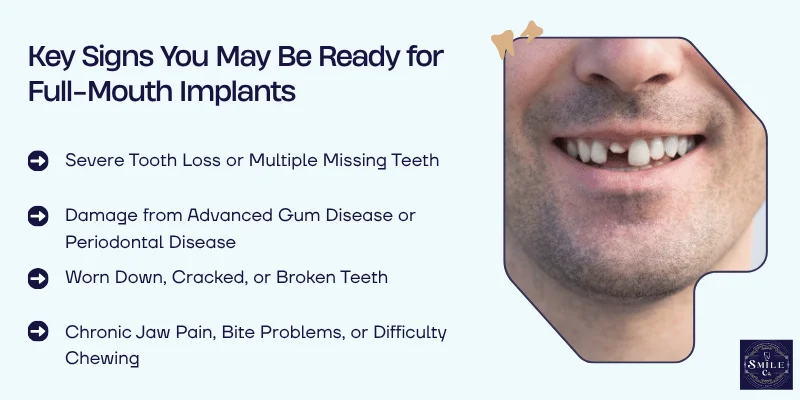
Full-mouth implant rehabilitation becomes necessary when your dental problems have progressed beyond simple fixes. Multiple missing teeth, advanced periodontal damage, severely worn teeth, and chronic bite issues all point toward the need for a complete restoration.
Severe Tooth Loss or Multiple Missing Teeth
You might be dealing with several gaps in your smile or facing the loss of most of your natural teeth.
When you have multiple missing teeth scattered throughout your mouth, individual implants or bridges may not provide the stability you need.
Full-mouth implants become the right choice when you’re missing most or all of your teeth in one or both arches. This situation often happens after years of dental problems, accidents, or untreated decay.
The gaps from tooth loss cause your remaining teeth to shift, creating problems with your bite alignment.
If you’re currently using dentures but find them uncomfortable or unstable, full-mouth implants offer a permanent solution. Unlike removable dentures, implants stay fixed in place and function like natural teeth.
They also prevent the bone loss that happens when teeth are missing for extended periods.
Damage from Advanced Gum Disease or Periodontal Disease
Advanced gum disease damages the bone and tissue that support your teeth. When periodontal disease reaches severe stages, your teeth become loose and may eventually fall out.
You’ll notice symptoms like bleeding gums, bad breath that won’t go away, and teeth that feel like they’re moving.
Healthy gums are essential for dental implant success. If gum disease has already caused significant damage, your dentist will treat the infection first. This might involve deep cleaning or periodontal therapy before placing implants.
The good news is that even if you’ve experienced bone loss from gum disease, you can still get full-mouth implants. Your dental team may recommend bone grafting to rebuild the foundation needed to support the implants.
Worn Down, Cracked, or Broken Teeth
Years of teeth grinding (bruxism) can wear your teeth down to stubs. You might wake up with jaw pain or headaches, and your teeth look shorter than they used to. Worn down teeth affect how you chew and can age your appearance.
Cracked or broken teeth that can’t be saved with crowns or other treatments may need complete replacement. Multiple damaged teeth throughout your mouth make you a candidate for full-mouth restoration rather than trying to save individual teeth.
When most of your teeth have extensive decay, large fillings, or root canals that have failed, the cost and time of fixing each tooth separately often exceeds getting full-mouth implants.
A complete restoration gives you a fresh start with teeth designed to last decades.
Chronic Jaw Pain, Bite Problems, or Difficulty Chewing
Your bite affects everything from how you eat to whether you experience jaw pain. When you have bite problems caused by missing teeth or severely damaged teeth, your jaw joints work harder than they should.
This leads to TMJ disorders, chronic headaches, and facial pain.
You probably find yourself avoiding certain foods because chewing has become painful or difficult. Steak, raw vegetables, and other nutritious foods become off-limits. This restriction affects your nutrition and quality of life.
Full-mouth implants restore proper bite alignment and distribute chewing forces evenly across your jaw. Once healed, you’ll be able to eat the foods you love without pain or worry.
The implants function like natural tooth roots, giving you the stability to chew comfortably again.
Other Key Indicators and Considerations
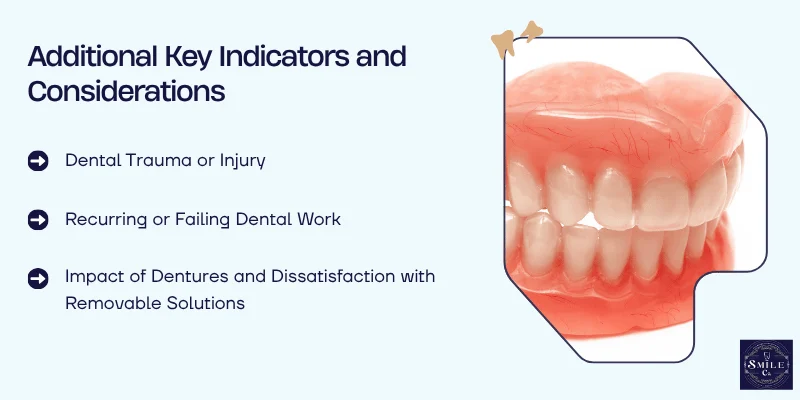
Accidents and injuries can leave lasting damage to your teeth and jaw, while outdated dental work may no longer serve your needs. Many people also struggle with the limitations and discomfort of removable dentures.
Dental Trauma or Injury
Serious accidents can cause damage that goes beyond what you can see on the surface. If you’ve experienced dental trauma from a car crash, sports injury, or fall, you might have multiple broken or knocked-out teeth.
These injuries often affect the roots and surrounding bone structure.
You may also have jaw fractures or damage to your bite alignment. When dental trauma affects several teeth at once, individual repairs might not restore proper function.
Full-mouth rehabilitation addresses both the visible damage and underlying structural problems that result from major injuries.
Trauma can also lead to nerve damage or tooth death that shows up months or years later. If you’re dealing with complications from an old injury, a complete treatment approach might be your best option for long-term stability.
Recurring or Failing Dental Work
When your crowns, bridges, or fillings keep breaking down, you’re facing more than bad luck. Failing restorations often signal deeper problems with your bite, tooth structure, or the quality of previous treatments. You might notice that dental work doesn’t last as long as it should.
Multiple previous dental work failures can indicate that piecemeal repairs won’t solve your underlying issues. Your teeth might have deteriorated to the point where individual fixes are like putting bandages on a bigger problem.
If you’re spending money on repeated repairs every few years, a comprehensive solution could actually save you time and expense.
Full-mouth rehabilitation replaces all those failing pieces with a coordinated treatment plan designed to last decades rather than years.
Impact of Dentures and Dissatisfaction with Removable Solutions
Traditional dentures can feel unstable when you eat or speak. You might avoid certain foods because your dentures slip or cause discomfort. Many people deal with embarrassing clicking sounds or worry about their dentures falling out in public.
Removable solutions often lead to bone loss in your jaw over time because they don’t stimulate the bone like natural teeth do. Your face may start to look sunken or aged as this bone deteriorates.
You also have to remove dentures for cleaning and sleeping, which can affect your confidence.
Dental adhesives provide only temporary relief and don’t address the core problems with removable options.
If you’re tired of dealing with denture cream, sore spots, or restricted diet choices, implant-based rehabilitation offers a permanent alternative that functions like natural teeth.
What To Expect from the Full-Mouth Dental Implant Process
Getting full-mouth dental implants involves several key steps that work together to give you a new smile.
The process includes detailed exams, a plan made just for you, the actual surgery, and a healing period where your implants bond with your jaw.
Comprehensive Oral Evaluation and Diagnostic Imaging
Your journey starts with a thorough exam of your mouth and jaw. Your dentist or oral surgeon will check the health of your gums, remaining teeth, and jawbone. They need to see if you have enough bone to support dental implants.
You’ll get advanced imaging done during this visit. This usually includes:
- 3D CT scans to measure bone density and volume
- X-rays to view your jaw structure
- Digital photographs of your teeth and smile
- Impressions or digital scans of your mouth
These images show your dentist exactly where to place each implant. They also reveal if you need extra procedures like bone grafting before implant placement.
The diagnostic imaging helps your dental team spot potential problems early and plan the safest approach for your situation.
Customized Treatment Planning
After reviewing your scans, your dental team creates a customized treatment plan designed for your specific needs. This plan maps out every detail of your full-mouth dental implants procedure.
Your treatment plan includes the number of implants you need and their exact positions in your jaw. Most full-arch restoration cases use four to six implants per arch.
Your dentist will also determine if you need preparatory work like periodontal therapy to treat gum disease or bone grafting to strengthen weak areas of your jawbone.
The plan covers your timeline from start to finish. You’ll know when each procedure happens and when you can expect your final teeth.
Your team will discuss whether you’re a candidate for immediate-load implants, which means you could get temporary teeth the same day as dental implant surgery.
Implant Placement and Associated Surgical Procedures
The surgery day is when your oral surgeon places the titanium posts into your jawbone. You’ll receive anesthesia to keep you comfortable during the procedure.
The surgeon makes small openings in your gums and carefully positions each implant at the planned angles and depths.
If you need bone grafting, it often happens at the same time as implant placement. This adds material to areas where your jawbone is too thin or weak.
Some patients also need extractions if they have damaged teeth that must come out before getting full-mouth implants.
Many patients receive temporary teeth attached to their new implants right away. These let you eat soft foods and smile with confidence while you heal.
The entire dental implant surgery typically takes a few hours, depending on how many implants you’re getting.
Recovery Timeline and Osseointegration
The healing process after full-mouth dental implants happens in stages over several months. The first week brings swelling and tenderness that you manage with pain medication and ice packs.
You’ll stick to soft foods like smoothies and soup during this time.
By week two, most swelling goes down and you start feeling more normal. The critical osseointegration process begins during weeks three and four. This is when your jawbone grows around the titanium posts and fuses with them to create a solid foundation.
Osseointegration usually takes three to six months to complete. During this period, your bone cells attach to the implant surface and strengthen the bond.
You’ll have follow-up visits so your dentist can check that everything is healing correctly. Once osseointegration finishes, you’ll get your permanent teeth attached to the implants for a complete smile that functions like natural teeth.
Restorative Options Included in Full-Mouth Rehabilitation
Treatment plans combine different procedures based on your specific needs. Options range from individual tooth restoration to complete arch replacement using implant-supported solutions.
Dental Crowns and Bridges
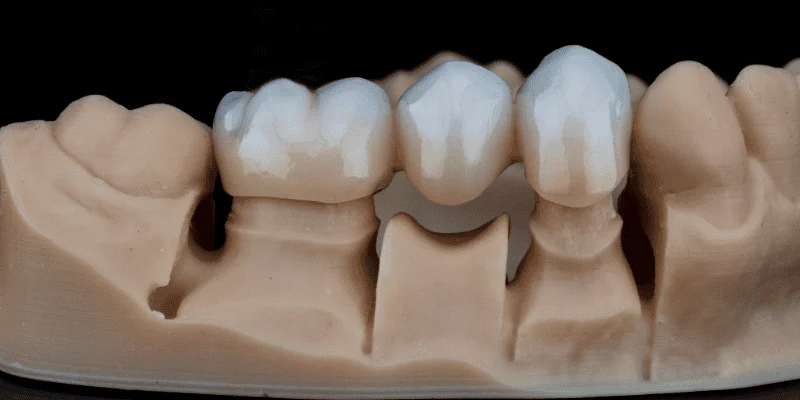
Dental crowns cover damaged or weakened teeth to restore their shape, strength, and function. Your dentist may recommend crowns when teeth are cracked, heavily worn, or have large fillings that compromise the tooth structure.
Bridges replace one or more missing teeth by anchoring to the natural teeth on either side of the gap. Traditional bridges require preparing the adjacent teeth for crowns, which then support the artificial tooth in between.
Implant-supported bridges attach to dental implants instead of natural teeth, which preserves the healthy tooth structure around the gap.
Both options restore your ability to chew comfortably. Treatment may include crowns or bridges depending on how many teeth need repair and where they’re located in your mouth.
All-on-4 and Full-Arch Implant Solutions
All-on-4 uses four strategically placed dental implants to support a full arch of replacement teeth. The back implants are angled to maximize contact with your existing bone, which often eliminates the need for bone grafting.
This approach works well if you’re missing most or all teeth in one or both arches. The implants fuse with your jawbone over several months, creating a stable foundation.
A temporary set of teeth attaches on the same day as implant placement in many cases.
Full-arch solutions can restore your entire upper jaw, lower jaw, or both. The implants stay permanently in place while your dentist can remove the prosthetic teeth for adjustments or replacement.
You care for them much like natural teeth through regular brushing and dental visits.
Implant-Supported Dentures
Unlike traditional dentures that rest on your gums, implant-supported dentures attach to dental implants placed in your jawbone. This design prevents the slipping and movement that many denture wearers experience.
You’ll typically need between two and six implants per arch depending on your bone density and the denture design. Some types snap onto the implants and you can remove them for cleaning.
Other designs screw into place and only your dentist removes them during check-ups.
These dentures let you eat a wider variety of foods compared to traditional options. The implants also stimulate your jawbone, which helps prevent the bone loss that often occurs with regular dentures.
Veneers and Other Restorative Procedures
Veneers are thin shells of porcelain or composite material bonded to the front of your teeth. They improve the appearance of teeth that are discolored, slightly crooked, or have minor chips and gaps.
Your treatment plan might also include onlays, which repair larger areas of damage than standard fillings but require less tooth removal than crowns.
Some patients need gum surgery or bone grafting to create a healthy foundation before receiving permanent restorations.
Restorative dentistry options included in full mouth reconstruction depend on your exact problems. Your dentist will evaluate which combination of procedures addresses both function and appearance.
Assessing If Now Is the Right Time for Full-Mouth Implants
Deciding when to move forward with full-mouth implants involves examining how your current dental situation affects your everyday life, understanding the financial commitment, and getting professional guidance about your specific oral health needs.
Emotional and Functional Impact on Daily Life
Your daily experiences tell you a lot about whether you’re ready for full-mouth rehabilitation. If you find yourself avoiding social situations because you’re self-conscious about your smile, this emotional burden matters.
Many people skip gatherings or cover their mouths when they laugh.
The functional problems are just as important to consider. You might struggle to eat the foods you love or experience pain while chewing. These issues affect your nutrition and quality of life.
Think about whether you’re constantly worried about loose dentures or embarrassed by clicking sounds when you talk. If dental problems are holding you back from living confidently, you’re likely ready for a more permanent solution.
Full-mouth implants can restore both your smile and your ability to eat comfortably.
Long-Term Health and Cost Considerations
The financial investment for full-mouth implants is significant, but understanding the long-term value helps you make the right decision.
Initial costs are higher than traditional dentures, yet implants can last 20 years or longer with proper care.
Evaluating your oral health before proceeding is essential. Your jawbone density and gum health directly affect implant success. If you have bone loss, you might need grafting procedures first.
Consider these timing factors:
- Current dental insurance coverage and what procedures are included
- Available savings or financing options through dental payment plans
- Your overall health status and any conditions affecting healing
- Time commitment for multiple appointments over several months
Your age and health condition play a role too. If you have uncontrolled diabetes or other medical issues, your restorative dentistry team needs to address these first.
Professional Consultation and Risk Assessment
Scheduling a full mouth implant consultation gives you concrete answers about your candidacy. A comprehensive dental exam reveals whether your mouth is ready for this procedure right now.
Your dentist will take detailed imaging to assess bone structure and identify any infections or gum disease. These conditions must be treated before implant placement.
The examination also checks for adequate space and proper bite alignment.
An experienced implant specialist can identify warning signs you need dental implants and discuss realistic expectations. They’ll explain your specific risks based on factors like smoking habits, medications you take, and previous dental work.
This assessment helps you understand whether now is the ideal time or if preparatory treatments would improve your success rate.
Frequently Asked Questions
Many people wonder about their eligibility for implants and what the process really involves.
Understanding bone requirements, gum health standards, and realistic timelines helps you make an informed decision about your dental future.
How do I know if I’m a good candidate for dental implants instead of dentures?
You’re likely a good candidate if you have adequate jawbone density and healthy gums. Full arch dental implants work best for people who struggle with traditional dentures or want a permanent solution for missing teeth.
Your overall health matters too. If you smoke, you may need to quit before treatment because smoking can reduce your chances of success.
Good oral hygiene habits are essential. You’ll need to commit to taking care of your implants after the procedure to ensure they last.
What daily problems with my teeth or dentures suggest it’s time to consider a bigger solution?
Loose dentures that slip or fall out during eating or talking are a major sign. If you’re using messy adhesives every day just to keep your dentures in place, implants offer a more stable option.
Difficulty eating foods you enjoy indicates your current solution isn’t working well. When you avoid certain foods because you can’t chew them properly, your quality of life suffers.
Pain or sore spots from ill-fitting dentures are red flags. If you’re dealing with constant discomfort or embarrassment about your teeth, it’s worth exploring full-mouth rehabilitation dental implants.
Do I need a certain amount of jawbone, and what happens if I’ve already lost bone?
Yes, you need sufficient jawbone density for implants to attach securely. The implants must fuse with your jawbone during a process called osseointegration, which requires adequate bone structure.
If you’ve already experienced bone loss, you may still be a candidate. Your dentist can evaluate whether bone grafting procedures might help build up the area before placing implants.
Bone loss often happens after tooth loss because the jawbone needs stimulation from tooth roots to maintain density. The sooner you get implants, the better your chances of having enough natural bone.
How healthy do my gums need to be before I can move forward with implant treatment?
Your gums should be in good overall health before starting implant treatment. Active gum disease needs to be treated first because infection can prevent implants from healing properly.
Healthy gums provide the foundation for successful implant integration. If you have periodontal issues, your dentist will create a treatment plan to address them before moving forward with implants.
You’ll need to maintain excellent oral hygiene after getting implants too. Regular brushing, flossing, and dental visits keep your gums healthy and protect your investment.
What kind of timeline should I expect from consultation to having a full, working smile?
The full mouth implant process takes several months from start to finish. Your initial recovery after surgery typically lasts a few days to a week, when you can return to regular activities.
The implants need time to fuse with your jawbone, which usually takes several months. During this healing period, you’ll have follow-up appointments to monitor your progress.
After the implants have fully integrated, your dentist will attach the prosthetic teeth. Creating your custom prosthetic usually takes two weeks to a month in a specialized lab.
What questions should I ask my dentist at a consultation to see if this is right for me?
Ask about your specific candidacy based on your jawbone density and oral health. Find out whether you’ll need any preliminary procedures like bone grafting or gum disease treatment before starting.
Request details about the expected timeline for your unique situation. Ask how many appointments you’ll need and what happens at each stage of treatment.
Learn about the costs and payment options available to you. Don’t hesitate to ask about post-treatment care requirements and how long your implants should last with proper maintenance.