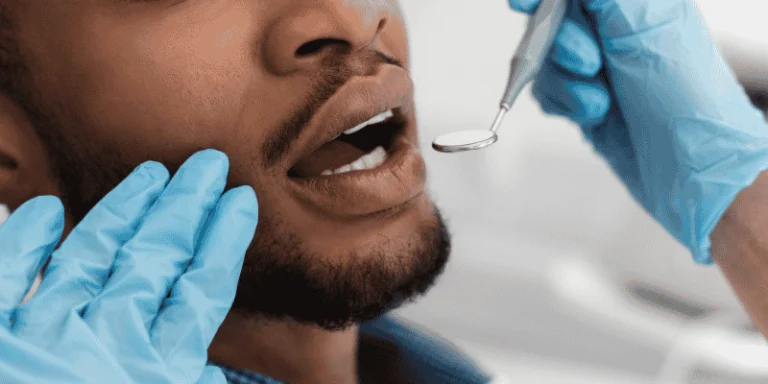


A study looked at how people felt after dental implant surgery. Swelling was the biggest complaint, but it got better after five days. Approximately 25% of those with front tooth implants experienced difficulty eating for nearly a week. Most other issues, like pain and difficulty opening the mouth, improved by day four. Generally, recovery happens within four days.
When you get dental implants, you’re on the path to a confident smile. But what you eat makes a big difference in your healing. One question often asked is why dairy is avoided after dental implant surgery. This guide will explain why and give you practical advice on what foods to enjoy, avoid, and how to support your healing journey.
The Purpose and Benefits of Dental Implants
Dental implants play a key role in oral health by replacing missing teeth. Here’s how they benefit you:
Restoration of Function and Appearance
Implants enable you to chew and speak naturally. Unlike dentures, they feel like real teeth, making daily activities seamless. By restoring your smile, implants boost confidence and improve overall aesthetics, giving you the freedom to smile and interact without worry.
Stability and Durability
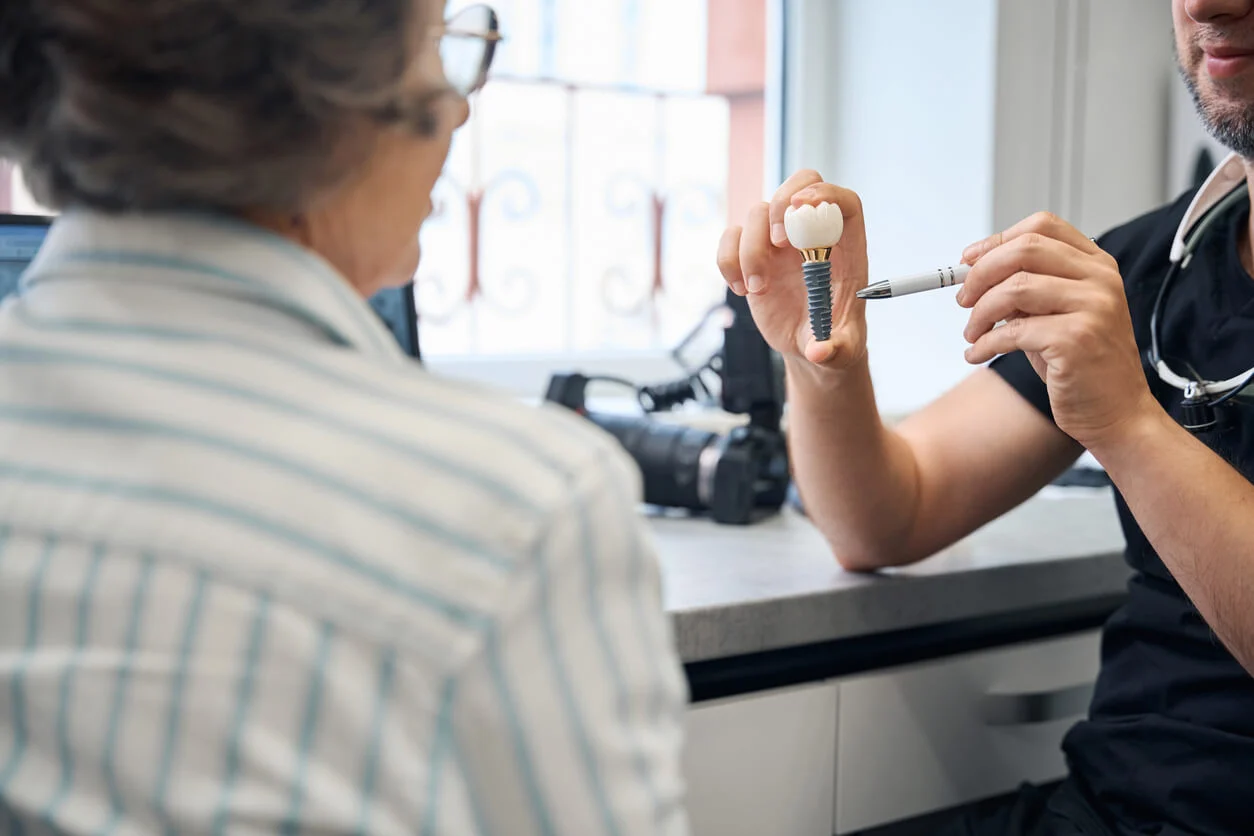
The implant procedure involves putting a titanium post into your jawbone. This post eventually integrates with the bone, providing a sturdy foundation for your new teeth. This integration makes sure that the implants are stable and long-lasting, offering a long-term solution that can last for many years.
Prevention of Bone Loss
One advantage of implants is their ability to simulate natural tooth roots. This stimulation helps maintain jawbone health, preventing the deterioration that often follows tooth loss. By preserving bone density, implants help maintain your facial structure and overall oral health.
Improved Oral Health
Dental implants differ from bridges in that they don’t require altering nearby teeth, allowing you to preserve more of your natural ones. This approach supports oral health and makes cleaning and maintenance easier. With implants, you can consume your favorite foods without compromising your dental care routine.
Recovery Period: Stages and Timeline
Understanding the recovery process helps set realistic expectations after dental implant surgery.
| Stage | Description | Typical Duration |
| Initial Healing | Swelling and tenderness occur at the implant site. It’s common to experience some discomfort. | 3-5 days |
| Osseointegration | The implant begins to bond with the jawbone, gradually becoming part of your oral structure. | 3-6 months |
| Tissue Regeneration | Surrounding gum tissue heals and adapts to the implant, stabilizing it further. | 1-2 weeks |
| Prosthetic Attachment | Once osseointegration is complete, the abutment and crown are attached to the implant. | 1-2 weeks post-bonding |
| Full Recovery | Complete healing, with the implant fully integrated and functioning like a natural tooth. | Several months depending on individual cases |
During each stage, it’s important to follow your dentist’s advice to promote a smooth recovery. Although the timeline varies for each person, understanding these stages can guide you toward a successful outcome.
Can I Eat Dairy After Dental Implant Surgery?
It’s best to avoid dairy right after surgery. Dairy can increase mucus production and may increase the risk of bacterial growth, potentially affecting wound healing. The next sections will explain why this is important and suggest alternatives.
Why Avoid Dairy Products After Surgery?
Avoiding dairy during recovery can aid your healing process. Here’s why many dental professionals recommend this:
Increased Mucus Production
Dairy can increase mucus, causing discomfort and possibly hindering recovery. This extra mucus can be bothersome and affect healing at the surgical site. Keeping your airways clear is important to avoid any disruptions in your healing process.
Risk of Bacterial Growth
Dairy can sometimes harbor bacteria, which poses a risk of infection in your healing mouth. An infection can complicate recovery significantly, leading to extended healing times and potential complications. By avoiding dairy, you reduce the likelihood of introducing bacteria to the surgical area.
Potential Nausea and Discomfort
Dairy can lead to mild nausea for some individuals, particularly during the initial recovery phase as the body adjusts to the recent surgery. This can lead to unnecessary discomfort and make it harder for you to stay comfortable and rest, both of which are key to a smooth recovery.
Inflammatory Response
Dairy has been associated with increased inflammation in some individuals. Inflammation can exacerbate swelling and tenderness at the surgical site, making healing more difficult. Avoiding dairy might help keep inflammation at bay and support more effective recovery.
How Long Should You Avoid Dairy After a Dental Implant?
It’s usually best to avoid dairy for the first two weeks after dental surgery to help with healing. Since everyone recovers differently, be sure to follow your dentist’s advice. They’ll check your progress and give diet tips that fit your needs to help your recovery go smoothly.
Recommended Dietary Guidelines Post-Implant Surgery
Transitioning through the recovery stages with the right diet is key to successful healing.
First 48 Hours
- Soft Broths: Opt for clear, nutrient-rich broths to stay hydrated and nourished. Choose warm, not hot, temperatures to avoid irritation.
- Mashed Potatoes: Rich in carbs and easy to swallow. Enhance flavor with a touch of butter or cream, if advised.
- Scrambled Eggs: Provide a gentle source of protein. Ensure they’re soft and well-cooked, avoiding any added spices.
Gradually Reincorporate Foods
- Soft Fruits: Choose bananas or applesauce, which are gentle on the mouth. Mash or puree fruits to make them easier to chew.
- Well-Cooked Vegetables: Include options like thoroughly cooked carrots or peas. Make sure that they’re cut into small, manageable pieces.
- Soft Grains: Add oatmeal or finely cooked rice for an extra boost of fiber. Avoid grains with hard textures, like seeds or nuts mixed in.
Foods to Avoid
- Spicy Foods: Refrain from consuming anything with heat, as it may cause irritation. Examples include hot sauces, peppers, and spicy dishes.
- Acidic Foods: Do not eat citrus fruits and tomatoes, which can be harsh. Opt for non-acidic alternatives to avoid stinging.
- Crunchy Snacks: Exclude chips, popcorn, and crackers from your diet. These can put unwanted pressure on the implant area.
Alternatives to Dairy for Nutritional Support
- Leafy Greens: Collard greens, kale and spinach are rich in calcium. They support bone health, essential after dental surgery.
- Fortified Almond Milk: Offers both calcium and vitamin D. It’s a great choice for strengthening bones without dairy.
- Soft Tofu: A versatile protein source, easy to incorporate into meals. It’s gentle on your mouth and can be added to soups or stir-fries.
- Beans and Legumes: Lentils, chickpeas, and black beans are excellent sources of protein. They provide essential nutrients and can be mashed for easier consumption.
Other Ways to Support Healing of Dental Implants
Achieving a smooth recovery after dental implant surgery requires more than just careful dietary choices.
Good Oral Hygiene
Maintaining proper oral care is essential. Gently brush around the implant area with a soft-bristle toothbrush to remove plaque without irritating the gums. Accompanied by regular flossing, this routine helps prevent infections. Using a mild, non-alcoholic mouthwash can help keep your mouth fresh and clean while avoiding discomfort.
Stay Hydrated
Proper hydration aids in healing by maintaining tissue health and keeping your mouth moist. Drink plenty of water throughout the day. It’s wise to avoid alcohol and caffeine as they can dehydrate and potentially irritate the surgical site, hindering the healing process.
Rest and Recovery
Adequate rest is vital for your body’s recovery. Make sure you get lots of sleep to allow your body to repair itself efficiently. Avoid any strenuous exercises or heavy lifting, which might put unnecessary pressure on the implant area and slow down the healing.
Follow Your Dentist’s Instructions
Adhering to your dentist’s specific guidelines and taking any prescribed medications as directed is essential. These instructions are tailored to your individual needs. Regular follow-up appointments are important for your dentist to assess progress and make any necessary adjustments.
Avoid Tobacco Products
Smoking and tobacco use can significantly hinder the healing process and increase the risk of infection. Consider quitting or at least reducing usage to create a healthier environment for your implants to heal effectively.
Your Smile Renewal Starts Now: Schedule Your Appointment Today
Taking care of your new dental implants starts with smart eating choices. Your journey to better oral health is important, and having the right support makes a big difference. If you’re wondering, “Can you eat dairy after dental implant surgery?” or need advice on what to eat, we’re here to help.
At The Smile Company, we offer personalized care to meet your needs. Ready to make positive changes in your dental care? Book a consultation with us today. We’re here to guide you towards a healthier smile, and we look forward to working with you. Call us now to get started!