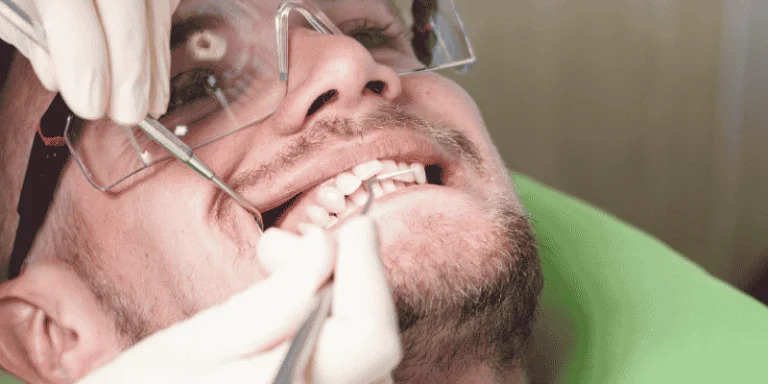



When you lose a tooth, the change does not stop at the empty space you see. Your jawbone also starts to change because it no longer gets pressure from chewing.
This process can affect your smile, your bite, and your options for future dental care.
Jawbone loss after tooth extraction can begin within weeks, and grafting is often needed when the jaw no longer has enough strength or volume to support dental implants or maintain the stability of nearby teeth.
The longer the bone goes without use, the more it shrinks and weakens. That hidden change can limit treatment choices later.
Understanding how bone loss progresses helps you act at the right time. When you know what is happening under the gums, you can protect your jaw and avoid more complex treatment down the road.
Key Takeaways
- Tooth loss can lead to steady jawbone shrinkage.
- Bone grafting helps restore lost bone when support is not enough.
- Early care improves healing and long-term results.
How Bone Loss Progresses After Tooth Loss
After tooth loss, your jawbone starts to change faster than most people expect. Bone resorption follows a predictable pattern that affects the tooth socket first, then nearby teeth, and eventually your long-term oral health if you delay care.
Initial Changes in the Tooth Socket
Right after tooth loss, the tooth socket loses the pressure that once came from the tooth root. That pressure helped keep bone active and strong. Without it, bone loss begins almost immediately.
Within weeks, the socket starts to shrink in width. The outer wall of bone thins first because it has less blood supply. This process explains why bone loss after tooth extraction often goes unnoticed early on.
Dentists often recommend socket preservation at this stage to prevent bone loss. Procedures like bone grafting placed at the time of extraction can limit early damage and protect future treatment options.
Bone Resorption Timeline
Bone resorption follows a steady timeline once a tooth is missing. The fastest changes happen early, then continue more slowly over time.
Typical progression includes:
- First 3–6 months: rapid loss of bone width and early height loss
- 6–12 months: continued thinning and visible gum changes
- Beyond 1 year: ongoing loss that does not stop on its own
This gradual process explains why waiting can complicate implants or bridges later.
According to clinical observations outlined in bone loss due to missing teeth, early action often reduces the need for larger grafting procedures.
Even one missing tooth can trigger these changes, especially in the upper jaw where bone sits close to the sinus.
Impacts on Adjacent Teeth and Oral Health
Bone loss does not stay limited to one spot. As bone volume drops, adjacent teeth lose support and may start shifting teeth into the empty space.
These changes can:
- Alter how your bite fits together
- Trap food more easily
- Increase stress on jaw joints
- Affect speech and chewing comfort
Over time, bone resorption can change facial support around your lips and cheeks. These effects play a major role in long-term oral health, especially if multiple teeth are missing.
Dental implants can help stabilize bone by restoring chewing forces, which helps slow further loss, as explained in this overview of jawbone changes after tooth loss.
Planning dental implants after tooth loss? Request an appointment in Greenville, SC to create a long-term treatment plan.
When and Why Bone Grafting Becomes Necessary

Bone grafting becomes necessary when your jaw no longer has enough healthy bone to support normal function or future treatment.
Tooth extraction, time, and gum disease all affect how quickly this bone loss occurs and when a dental bone graft is appropriate.
Indications for Bone Grafting
You may need bone grafting when bone loss affects your bite, appearance, or treatment options. The most common reason involves planning for dental implants, which need solid bone for long-term support.
If the bone is too thin or soft, an implant may fail.
Other signs include shifting teeth, sunken gums, or persistent gum disease. Dentists often recommend a bone graft procedure when X-rays show bone shrinkage that could worsen over time.
Common reasons for a dental bone graft include:
- Missing teeth for several months or years
- Advanced gum disease
- Trauma or infection in the jaw
- Preparing for dental implants
Tooth Extraction and Socket Preservation
Bone loss starts soon after a tooth extraction. Without the tooth root, your jaw no longer gets the pressure it needs to stay strong. This can lead to rapid bone shrinkage, especially in the first few months.
A bone graft after tooth extraction helps reduce this loss. Dentists place graft material directly into the empty socket, a step called socket preservation.
This supports the bone as it heals and keeps the ridge closer to its original shape.
Socket preservation often:
- Limits bone width and height loss
- Makes future dental implants easier
- Reduces the need for larger grafts later
Timing of Grafting After Tooth Loss
Timing plays a major role in how complex bone grafting becomes. You can place a graft at the time of extraction, months later, or even years after tooth loss. Earlier treatment often leads to simpler care.
Immediate grafting during extraction helps preserve bone before major loss begins. Delayed grafting may still work, but it often requires more material and longer healing time.
Even if years have passed, grafting can still restore bone. This article explains why bone grafting is often possible years after a tooth extraction and how it can reopen options like dental implants.
Want to protect your jawbone and future smile? Contact us today to discuss preventive and restorative options.
Types of Dental Bone Grafts and Grafting Materials
Dentists use several types of bone grafts to rebuild the jawbone after tooth loss. Each option differs in where the bone comes from, how it heals, and when it makes sense for your situation.
Autograft, Allograft, Xenograft, and Alloplast
An autograft uses bone taken from your own body. Dentists often choose it for larger defects because it heals well and supports new bone growth. It also means an extra surgical site, which can raise recovery time and discomfort.
An allograft uses donor bone from another person. A licensed bone bank carefully screens and processes this material to reduce health risks.
Dentists often use allografts because they avoid a second surgery and are well-suited to many dental needs, including implants and socket preservation.
A xenograft is derived from animal bone, typically cow or pig. These grafts mainly act as a scaffold that supports your own bone as it grows. Many dentists rely on xenografts because they are widely available and well-studied.
An alloplast is made of synthetic materials, such as calcium-based ceramics. These grafts are best suited to small areas and do not require donor bone.
Choosing the Right Bone Graft Material
Your dentist selects graft material based on clear factors, not guesswork. These include how much bone you lost, where the graft sits, and whether you plan to place a dental implant.
For example, larger defects may call for an autograft because it contains living bone cells. Smaller or moderate defects often heal well with allograft or xenograft materials that support steady bone growth.
Your health also matters. Conditions like diabetes, smoking, or past gum disease can affect healing speed and graft choice.
Cost, recovery time, and personal preferences may also play a role. Many patients receive grafts before implant surgery.
The Bone Grafting Procedure and Surgical Approaches
Bone graft surgery restores lost jawbone so your mouth can support teeth or implants. The approach depends on where bone loss occurred, how much bone you lost, and your comfort needs during care.
Overview of Bone Graft Surgery
During a bone graft procedure, your provider places graft material where bone has thinned or disappeared. The graft can come from donated bone, animal bone, or lab-made material.
Over time, your body replaces the graft with your own bone.
An oral surgeon or oral and maxillofacial surgeon plans the surgery using 3D imaging. This scan shows bone height, width, and nearby nerves. It helps avoid surprises and improves fit.
You can expect swelling and soreness for several days. Early healing often starts within a week, while full bone growth can take months.
Common graft goals
- Restore bone volume
- Protect nearby teeth
- Prepare for implants
Ridge Augmentation and Sinus Lift
Ridge augmentation rebuilds bone along the jaw ridge after tooth loss. Your surgeon adds graft material to increase the width or height. This step helps create a stable base for future implants.
A sinus lift treats bone loss in the upper back jaw. The surgeon gently raises the sinus floor and places graft material beneath it. This creates enough bone to anchor an implant safely.
These approaches often use imaging to measure space and plan placement.
When each approach helps
| Area | Approach | Purpose |
| Lower or upper ridge | Ridge augmentation | Add width or height |
| Upper back jaw | Sinus lift | Add bone under sinus |
Anesthesia and Comfort Options
Your comfort matters during surgery. Most grafts use local anesthesia to numb the area while you stay awake. You feel pressure, not pain.
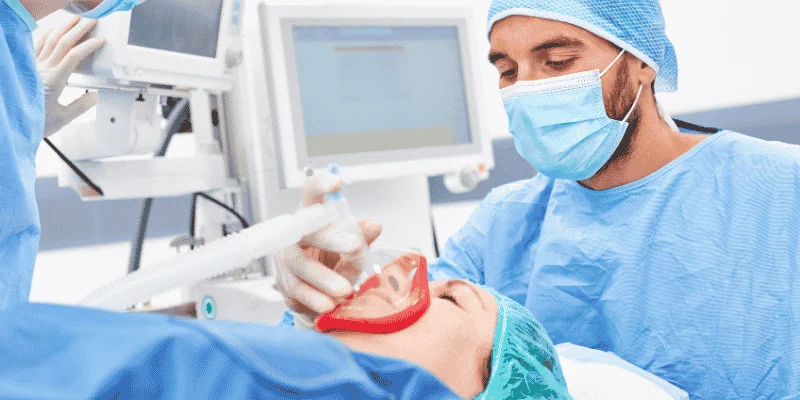
For longer cases or anxiety, your surgeon may offer general anesthesia or deep sedation. This option is suitable for complex grafts or combined procedures.
Your care team reviews your health history and explains risks before choosing anesthesia. Delta Dental outlines what you may feel during bone grafting treatment and recovery.
After surgery, follow the care steps closely. Use prescribed meds, eat soft foods, and avoid smoking to support healing.
Have questions about bone loss or implant preparation? Contact our Greenville, SC dental team for clear, expert guidance.
Dental Bone Graft Healing Stages and Recovery
Dental bone graft healing follows a clear pattern. You move from early clotting and gum repair to bone integration and, later, full bone strength. Each phase supports stable bone and long-term oral health.
Initial Healing and Blood Clot Formation
Right after surgery, your body starts dental bone graft healing by forming a blood clot over the graft. This clot protects the area and allows soft tissue to seal the site. You may notice swelling, light bleeding, and soreness for a few days.
Most people feel better within 7 to 10 days, which aligns with typical recovery timelines for dental bone grafts. You can support healing with good post-operative care.
What helps most during this stage:
- Rest and limit activity for 24–48 hours
- Use ice packs to reduce swelling
- Eat soft foods and avoid chewing near the graft
- Keep the area clean but brush gently
Avoid smoking or rinsing forcefully. These actions can disturb the clot and slow bone graft recovery.
Bone Integration and Regeneration
After the gums close, the focus shifts to bone integration. Your body sends blood vessels and bone cells into the graft material. This process allows the graft to bond with your natural bone, also called osseointegration.
Pain and swelling usually fade during this phase. You may feel normal, but healing continues under the surface. Dentists often check progress during this period to confirm proper dental bone graft healing stages.
This phase often lasts several weeks. According to detailed guides on bone graft healing stages and timelines, this step builds the base for future implants.
What’s happening beneath the gums:
| Process | What it means for you |
| New blood flow | Brings nutrients to the graft |
| Cell growth | Replaces graft material |
| Early strength | Prepares bone for pressure |
Bone Maturation and Final Outcomes
The final phase involves bone maturation. Your body slowly replaces the graft with your own bone. This creates dense, stable bone that can support chewing and dental implants.
This stage often takes three to six months or longer. You usually feel no symptoms, but the bone continues to strengthen. Dentists confirm success with exams or imaging before moving forward.
Strong bone at this stage supports long-term function. It reduces future bone loss and improves implant stability. Careful daily hygiene and regular visits help protect the results of your bone graft recovery.
Potential Complications and Tips for Success
Bone grafting can support bone regeneration, but problems can slow healing if you miss key steps. You can lower risks by understanding common issues and by protecting your oral health every day.
Graft Failure and Common Issues
Graft failure happens when the new bone does not join with your natural bone. Infection, poor blood supply, or movement at the graft site often cause this problem. Smoking and unmanaged gum disease also raise the risk.
You may notice warning signs like lasting pain, swelling, or drainage. Call your provider right away if these appear. Early care can limit damage and protect future treatment.
Common risk factors include:
- Poor post-operative care, such as skipping cleanings
- Active periodontal disease near the graft
- Pressure on the area from chewing too soon
Oral surgeons often use proven methods like bone grafting after tooth loss to rebuild bone. Success depends on careful placement and your follow-through at home.
Ensuring Long-Term Bone Health
You play a big role in keeping new bone strong. Daily habits protect the graft and support long-term oral health. Brush gently, floss as directed, and keep follow-up visits.
Treat periodontal disease early to stop future bone loss. Ongoing care matters even after healing. Conditions like gum disease can restart bone damage if ignored.
Helpful steps you can control:
- Take all medicines as prescribed
- Avoid smoking during healing
- Eat soft foods until cleared
Your dentist may recommend ongoing care or implants once healing is complete. Treatments that address periodontal disease management support bone regeneration and reduce the need for repeat grafts.
Not sure whether bone grafting is needed before dental implants? Make an appointment for a personalized evaluation.
Frequently Asked Questions
Bone loss often starts soon after a tooth comes out. Timing, treatment choices, and bone support all affect whether grafting or implants stay simple or become more complex.
What are the early signs of bone loss after losing a tooth?
You may not notice bone loss right away. It often starts below the gums without pain.
Over time, you might see the gum sink in near the missing tooth. Nearby teeth can begin to tilt or feel loose as the bone support changes.
When should someone consider bone grafting following a tooth extraction?
You should consider bone grafting when the jawbone cannot support a future implant. This often happens after tooth loss, gum disease, or long delays in treatment.
Dentists commonly recommend grafting soon after extraction to limit bone shrinkage, as explained in this guide on why bone grafts are needed for dental implants.
How long can you wait to get a bone graft after a tooth is removed?
You can wait months or even years, but waiting allows more bone to break down. The longer you wait, the more bone you may need to rebuild.
Early grafting often reduces treatment steps and healing time, according to information on bone loss after tooth extraction.
Can bone loss from tooth extraction be prevented?
Yes, you can slow or prevent bone loss with the right care. Dental implants help because they replace the tooth root and send pressure back into the bone.
Without that stimulation, the jawbone shrinks, as described in this overview of jawbone changes after tooth loss.
What options are available for restoring bone density after losing a tooth?
Bone grafting remains the main option for rebuilding lost bone. Dentists may use synthetic material, donated bone, or your own bone depending on your needs.
This patient guide on what bone grafting involves in dentistry explains how these materials help restore strength and volume.
How does bone loss in the jaw impact future dental implants?
Bone loss can limit where and how an implant is placed. A severe loss may require additional procedures before implantation is possible.
Healthy bone helps implants fuse and stay stable long term, which is why restoring bone early plays a key role in successful treatment, as outlined in this explanation of bone grafts before dental implants.