


Losing teeth affects more than how you look. You may avoid smiling, feel tense in social settings, or worry about how others judge you. These changes can quietly shape your mood, confidence, and daily choices.
Tooth loss can lower your confidence, increase stress, and lead to social withdrawal, while full-mouth restoration can help restore comfort, function, and emotional well-being.
When your bite feels secure again, eating, speaking, and smiling often feel more natural. That sense of control can support a healthier outlook and better quality of life.
This article explores how tooth loss affects your mental health and how full-mouth restoration may support emotional recovery. You will learn how oral health connects to daily comfort, self-image, and long-term well-being.
Key Takeaways
- Tooth loss can affect mood, confidence, and social comfort.
- Restoring your teeth can improve daily function and self-image.
- Many people report emotional relief after full-mouth restoration.
Schedule a Greenville South Carolina Visit to Discuss Tooth Replacement
Understanding the Psychological Impact of Tooth Loss
Tooth loss affects more than chewing and speech. It often changes how you feel, how you act around others, and how you see yourself each day.
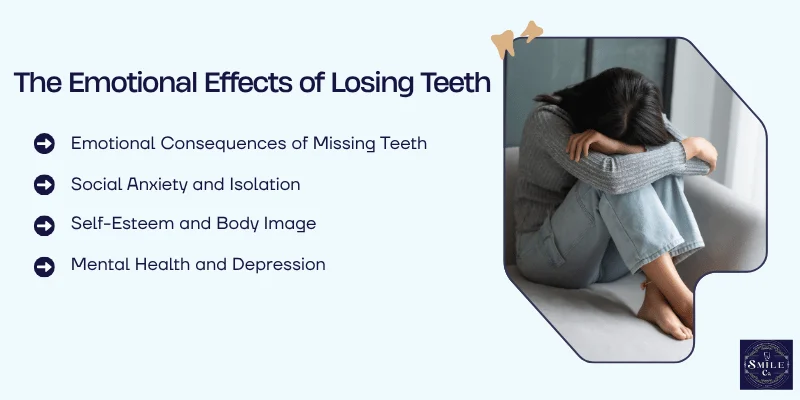
Emotional Consequences of Missing Teeth
Missing teeth can trigger strong emotions right away. You may feel shock, grief, or frustration, especially if the loss happened suddenly due to injury or infection. These feelings can stay with you longer than expected.
Many people report daily stress linked to simple tasks like eating or speaking. This stress can build and affect your mood. Research on the psychological impact of missing a tooth shows that emotional strain often grows when tooth loss remains untreated.
For people with edentulism, the emotional burden may feel heavier. Complete tooth loss can create a sense of loss tied to aging or health decline, even when the person is otherwise healthy.
Common emotional responses include:
- Embarrassment
- Irritability
- Loss of motivation
Social Anxiety and Isolation
Tooth loss often affects how comfortable you feel in social settings. You may worry about how others see your smile, speech, or facial changes. These concerns can lead to social anxiety.
Many people begin to avoid group events, photos, or even casual conversations. Over time, this avoidance can turn into isolation.
A review on tooth loss, social wellbeing, and behavior highlights how reduced social contact can affect daily life.
Social withdrawal may happen slowly. You might cancel plans more often or keep conversations short. These habits can reduce support from friends and family when you need it most.
Self-Esteem and Body Image
Your teeth play a key role in how you view your appearance. Missing teeth can change your smile, facial shape, and how old you think you look. These changes often affect self-esteem.
You may feel less confident at work or in personal relationships. Some people report feeling unattractive or less capable after tooth loss. Dental experts describe this as a common effect of tooth loss and self-esteem changes.
Body image concerns may also affect posture and expression. You might smile less or cover your mouth when talking. These small actions can reinforce negative self-beliefs over time.
Mental Health and Depression
Long-term tooth loss can affect your mental health. Ongoing stress, isolation, and low self-worth may increase the risk of depression or anxiety disorders.
Studies on the emotional effects of tooth loss show that many people experience persistent sadness or loss of interest in daily activities. This risk may rise with untreated edentulism.
Mental health symptoms may include:
- Low energy
- Sleep problems
- Feelings of hopelessness
These symptoms often improve when dental and emotional concerns receive proper attention.
Complete Your Patient Form Before Your Consultation in Greenville South Carolina
How Oral Health Affects Quality of Life
Your oral health shapes how you eat, speak, and interact with others each day. Tooth loss and dental problems often affect comfort, confidence, and emotional well-being at the same time.
Daily Function and Dietary Challenges
When you lose teeth, daily tasks like chewing become harder. You may avoid foods that feel painful or difficult to manage. These often include raw vegetables, fruits, and meats that support balanced nutrition.
Diet changes can affect your energy and mood over time. You might rely more on soft or processed foods because they feel safer to eat. This shift can lower meal enjoyment and add stress around eating with others.
Common daily challenges include:
- Reduced chewing strength
- Food getting trapped or causing pain
- Fear of discomfort while eating in public
These issues connect oral health directly to your quality of life and sense of independence.
Communication and Self-Expression
Your teeth play a clear role in speech and facial appearance. Missing teeth can change how certain words sound, which may cause frustration or embarrassment. You might speak less or avoid conversations in group settings.
Appearance also affects how you feel about yourself. Gaps, shifting teeth, or worn dentures can make you hide your smile. Over time, this can limit self-expression and reduce social comfort.
Many people report:
- Lower confidence when speaking
- Anxiety during social or work interactions
- Increased self-awareness about appearance
These experiences show how oral health reaches beyond function and into emotional health.
Oral Health Related Quality of Life Measures
Clinicians often measure oral health related quality of life, or OHRQoL, to understand your experience. Tools like the Oral Health Impact Profile (OHIP) and OHIP-14 focus on pain, function, and social impact.
You answer questions using a Likert scale, which rates how often problems occur. Higher scores mean worse impact on daily life.
Research on the impact of tooth loss on oral health related quality of life shows that missing front teeth often affect emotional and social areas more than back teeth.
Another tool, GOHAI, focuses on comfort, appearance, and function in daily living. These measures help link oral health to your real-life quality of life.
Contact Us to Learn About Treatment Options
Common Full-Mouth Restoration Treatments
Full-mouth restoration uses proven dental methods to replace missing teeth, support daily function, and improve comfort. Each option focuses on stability, fit, and long-term oral health while also supporting confidence and social ease.
Dental Implants
Dental implants replace missing teeth by anchoring artificial roots into your jawbone. A dentist places the implant during dental implant placement, then adds a crown after healing. This process helps maintain bone strength and keeps nearby teeth from shifting.
Implants feel secure because they do not rely on neighboring teeth. You can chew, speak, and smile with less worry about movement or slipping.
Key points to know:
- Often made from titanium or similar materials
- Support single teeth or full-arch prosthetic rehabilitation
- Require healthy bone and good oral hygiene
Many patients choose implants as part of full-mouth restoration because they closely match natural teeth in function and appearance.
Complete and Partial Dentures
Dentures replace multiple missing teeth and restore basic function. Complete dentures replace all teeth in an upper or lower arch, while partial dentures fill gaps when some natural teeth remain.
Modern dentures fit better than older designs and often look more natural. A dentist customizes them to match your bite and facial shape.
Common benefits include:
- Improved chewing and speech
- Support for facial muscles
- Lower cost compared to implants
Dentures play a major role in prosthodontic rehabilitation, especially when bone loss or medical limits rule out implants.
Veneers and Prosthetic Options
Veneers and related prosthetic options improve teeth that are worn, uneven, or discolored. Veneers cover the front surface of teeth and work best when tooth structure remains stable.
These treatments often complement implants or dentures in full-mouth restoration. Dentists use them to balance shape, color, and alignment.
Common uses include:
- Covering damaged or stained teeth
- Improving symmetry of your smile
- Supporting overall prosthetic rehabilitation
When combined with other treatments, veneers help create a uniform look and natural bite.
Psychological Transformation After Full-Mouth Restoration
Full-mouth restoration often changes how you see yourself and how you act around others. These changes show up in confidence, daily social life, and how satisfied you feel with your care and results.

Improvements in Self-Confidence
When damaged or missing teeth get restored, you often feel more comfortable with your appearance. You may smile more without worrying about how others see your teeth.
This shift can lower social anxiety, especially in face-to-face settings like meetings or family events.
Restored teeth also help with clear speech and normal eating. These basic functions reduce daily stress and help you feel in control again.
Common confidence changes you may notice include:
- Less hesitation when speaking
- More eye contact during conversations
- Greater comfort in photos
These changes support a better quality of life in everyday routines.
Social Reintegration and Opportunities
Tooth loss often leads you to avoid social settings. You may skip dinners, public events, or work gatherings due to embarrassment.
After treatment, you may feel ready to reconnect with friends or meet new people. Social interaction becomes less stressful when you no longer worry about hiding your smile. This can improve relationships at home and at work.
In professional settings, restored teeth can support clearer speech and stronger confidence. You may feel more prepared to:
- Speak during meetings
- Attend interviews
- Take on leadership roles
These changes help rebuild social presence and support long-term emotional health.
Impact on Patient Satisfaction
Patient satisfaction often improves when restoration meets both functional and emotional needs. You benefit most when treatment restores chewing, speech, and appearance at the same time.
You may feel satisfied not only with how your teeth look, but with how daily life feels easier. Reduced stress while eating or speaking can improve mood and energy. Feeling heard and supported during treatment also plays a role.
Key factors that shape satisfaction include:
- Comfort and function of restorations
- Natural appearance of your smile
- Trust in your dental care team
These elements work together to support lasting emotional well-being.
Evaluating Outcomes: Research and Patient Experience
You judge success after full-mouth restoration by more than new teeth. You look at daily comfort, confidence, and how well treatment fits your life. Research tools and patient stories together show what truly improves psychological health.
Patient-Reported Outcome Measures
You often share your experience through patient-reported outcome measures, which capture pain, comfort, and confidence in your own words. One common tool, the OHIP-14, asks short questions about daily limits, stress, and social ease.
Studies using OHIP-14 show that tooth loss, especially in the front teeth, links to worse psychological and social scores. Research on the impact of tooth loss position on oral health-related quality of life highlights this pattern.
What PROMs track most often:
| Area measured | What you report |
| Psychological discomfort | Worry, self-consciousness |
| Social disability | Avoiding speech or smiles |
| Physical pain | Ongoing oral soreness |
These tools help your care team measure patient satisfaction beyond clinical images.
Role of Randomized Clinical Trials
You benefit when treatment plans rely on evidence from a randomized clinical trial. These trials compare restorations, such as dentures versus implants, under controlled conditions.
Researchers use PROMs in these trials to test how different options affect daily life. Reviews on tools that measure psychological disturbance after tooth loss show growing focus on mental well-being, not just function.
Trials matter because they reduce bias. They help confirm whether changes in mood or confidence come from the restoration itself, not outside factors. This evidence supports clear discussions about expected outcomes before treatment begins.
Clinical Perspectives versus Patient Perceptions
Your dentist may focus on bite strength, fit, and bone health. You often care more about how natural you feel when speaking or smiling.
Research comparing tooth number and position shows that patient views often differ from clinical priorities.
Work on the impact of tooth loss related to number and position found stronger links between missing front teeth and emotional strain than chewing limits alone.
Common gaps you may notice:
- Clinicians value stability and durability
- You value confidence and ease in social settings
When both views align, treatment planning becomes more realistic and supportive of your psychological recovery.
Frequently Asked Questions
Tooth loss affects how you feel, how you act around others, and how you view yourself. Restoring missing teeth can improve daily comfort, emotional health, and social confidence.
How can losing teeth affect a person’s overall well-being?
Losing teeth can change how you eat, speak, and smile. These changes can lower your comfort and disrupt daily routines.
Research shows that tooth loss can also affect emotional health and quality of life, not just oral function.
What emotional reactions are common after experiencing tooth loss?
You may feel embarrassed, anxious, or frustrated after losing teeth. These feelings often appear when you worry about how others see you.
Some people avoid social events or speaking in public because of these concerns. Emotional stress related to missing teeth can build over time if left unaddressed.
How does full-mouth restoration improve psychological health?
Full-mouth restoration can help you feel more secure about your appearance and function. Stable teeth allow you to eat and speak with fewer worries.
Restorative treatments can also reduce anxiety tied to loose dentures or visible gaps.
What are the social impacts of missing teeth on an individual?
Missing teeth can affect how comfortable you feel in conversations, photos, and social settings. You may smile less or avoid close interactions.
Social withdrawal is common when appearance concerns feel overwhelming.
Can restoring teeth help boost confidence and self-esteem?
Yes, restoring teeth can improve how you view yourself. Feeling comfortable with your smile often leads to more positive interactions.
Dental implants and other restorations closely mimic natural teeth.
How important is it to address the emotional aspects of dental health?
Emotional health plays a major role in how you manage dental issues. Ignoring emotional stress can affect motivation for care and follow-up.
Experts stress that dental treatment should consider mental and emotional needs.