


Getting dental implants later in life raises important questions about success rates and how well your body will accept them. Your age affects bone density, which plays a big role in how stable implants become and how long they last.
Older adults aged 66-80 years face higher early implant failure rates of about 14.56% compared to younger patients who experience failure rates below 5%, mainly because age-related bone density changes impact implant stability.
Bone density naturally decreases as you get older, which can make it harder for implants to integrate properly with your jawbone. But this doesn’t mean implants are off the table for older adults.
The good news is that dental implants in older adultsare effective and safe.
Many seniors successfully receive dental implants every year with the right preparation and care.
Learning about the connection between aging, bone health, and implant success helps you make informed choices about your dental care and what steps you might need to take for the best results.
Key Takeaways
- Age-related bone loss increases implant failure risk, with bone density and age identified as significant risk factors for early complications
- Higher bone density correlates with better implant stability and success, making bone health assessment critical before placement
- Personalized treatment strategies based on your age and bone condition can improve outcomes and help preserve bone density after tooth loss
How Aging Affects Bone Density and Implant Longevity
As you age, your bones undergo significant changes that directly impact how well implants integrate and last.
Your bone mineral density decreases, the internal structure of your bones weakens, and conditions like osteoporosis become more common, all of which affect implant success.
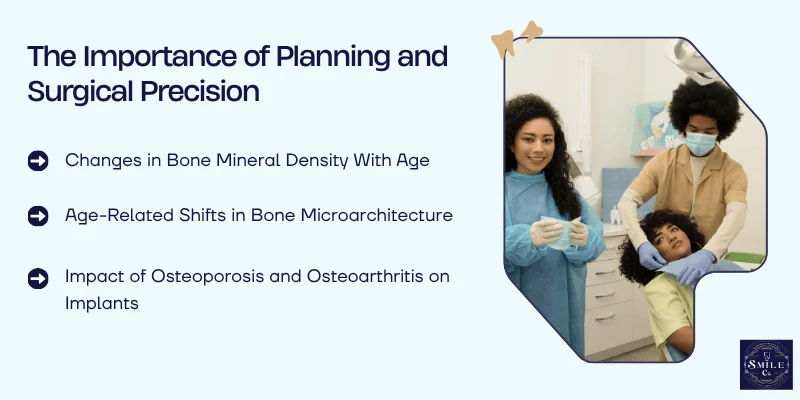
Changes in Bone Mineral Density With Age
Your bone mineral density naturally declines as you get older. This happens because your body starts breaking down bone faster than it can build new bone.
The balance between bone formation and bone resorption shifts, leaving you with weaker, less dense bones.
Women experience the most dramatic changes after menopause. Your estrogen levels drop, which speeds up bone loss significantly. Men also lose bone density with age, though usually at a slower rate.
Lower bone density means implants have less solid material to grip onto. Research shows that older age and osteoporosis are independent risk factors for poor integration of prosthetics with bone.
Your body needs adequate bone density to create the strong connection between bone and implant that ensures long-term stability.
This reduction in density affects both your jawbone for dental implants and your hip or knee bones for joint replacements.
When your bones are less dense, the healing process takes longer and the risk of implant loosening increases.
Age-Related Shifts in Bone Microarchitecture
Beyond density, the internal structure of your bones changes with age. Your bone microenvironment becomes less organized, with thinner struts and larger gaps in the trabecular bone network.
These structural changes affect how forces distribute through your bones. Your bones become less able to handle the mechanical stress that implants create. The quality of your bone matters just as much as the quantity.
Studies examining multiscale aging processes in bone reveal that cortical bone shows more pronounced deterioration than trabecular bone during aging.
Your cortical bone, which forms the hard outer shell, becomes more porous and brittle.
The cells responsible for bone remodeling also change. Your mesenchymal stem cells produce fewer bone-forming osteoblasts and more fat cells instead. This shift means your body has a harder time building new bone around implants.
Impact of Osteoporosis and Osteoarthritis on Implants
Osteoporosis creates major challenges for implant success because your bones lack the structural integrity needed for proper integration.
If you have osteoporosis, your bones are fragile and prone to fractures, making it harder for implants to achieve stable fixation.
Joint replacement surgery is predominantly used to treat osteoarthritis in the aging population. While osteoarthritis damages your joints, it doesn’t necessarily mean you have poor bone quality.
However, the inflammation associated with osteoarthritis can interfere with bone healing around implants.
The combination of these conditions creates a complex situation. Your surgeon needs to consider both your bone density and any inflammatory processes when planning implant procedures.
Medications you take for these conditions can also affect implant outcomes, requiring careful coordination of your treatment plan.
Cellular and Molecular Mechanisms at the Bone-Implant Interface
Your body activates specific cells and chemical signals when an implant is placed in your bone.
Mesenchymal stem cells migrate to the implant site and transform into bone-building cells, while various proteins and growth factors coordinate the healing process.
Role of Mesenchymal Stem Cells (MSCs) in Osseointegration
MSCs are special cells in your bone marrow that can turn into different types of tissue. When you get a dental or joint implant, these cells move to the bone-implant interface and start the healing process.
These stem cells have three important jobs during osseointegration. First, they multiply to create enough cells for bone formation.
Second, they change into pre-osteoblasts and then mature osteoblasts that build new bone. Third, they help control inflammation around your implant.
Your MSCs can become different cell types, including:
- Osteoblasts – cells that make new bone
- Adipocytes – fat cells
- Chondrocytes – cartilage cells
During successful osseointegration, your MSCs mainly become osteoblasts instead of fat cells. This balance is critical for your implant to bond with your bone tissue properly.
Osteoblasts, Osteoclasts, and Osteocytes in Bone Healing
Three types of bone cells work together to heal the area around your implant. Osteoblasts are the builders that create new bone matrix made of collagen and minerals.
These cells secrete proteins that eventually harden into solid bone.
Osteoclasts do the opposite job by breaking down old or damaged bone. You need these cells to remove bone debris from the implant surgery site. They release enzymes like cathepsin K and TRAP that dissolve bone tissue.
Osteocytes are former osteoblasts that got trapped inside the bone matrix they created. These cells act like sensors that detect mechanical stress on your implant.
They send signals to other bone cells about when to build or break down bone tissue.
The three cell types must stay balanced for your implant to succeed. Too many osteoclasts can loosen your implant, while too few can prevent proper bone remodeling.
Bone Remodeling Pathways: RANK, RANKL, OPG
Your body uses a chemical messaging system to control bone breakdown and formation. The RANK/RANKL/OPG pathway is the main system that regulates this balance.
RANKL (Receptor Activator of Nuclear Factor Kappa-B Ligand) is a protein that tells precursor cells to become osteoclasts. When RANKL binds to RANK receptors on these cells, they mature into bone-breaking osteoclasts.
OPG (Osteoprotegerin) acts as a brake on this process. This protein blocks RANKL from reaching RANK receptors, which stops new osteoclasts from forming.
Your body adjusts the ratio of RANKL to OPG to control how much bone gets broken down.
Around your implant, you want more OPG than RANKL during the early healing phase. This prevents excessive bone loss and helps your implant stay stable while new bone forms.
Growth Factors and Signaling Molecules in Bone Formation
Chemical messengers called growth factors direct bone formation around your implant site. FGF (Fibroblast Growth Factor) stimulates MSCs to multiply and become osteoblasts.
This protein also increases blood vessel formation to bring nutrients to the healing bone.
Other important growth factors include:
- BMP-2 – directly triggers bone formation
- VEGF – creates new blood vessels
- TGF-β – recruits MSCs to the implant
- PDGF – promotes cell growth and division
These molecules work in a specific order during osseointegration. Early signals bring cells to your implant, middle-stage signals tell them what type of cell to become, and late signals help form mature bone.
The timing and amount of each growth factor affects how well your implant bonds with your bone.
The Role of the Immune Response and Inflammation in Aging Bone
Your immune system plays a central part in bone health as you age, with immune cells directly affecting bone formation and breakdown. Changes in how your body manages inflammation and cellular energy production create an environment that weakens your bones over time.
Immune Cells in Bone Health: Macrophages and Lymphocytes
Macrophages are immune cells that significantly influence your bone remodeling process.
Research shows that these cells can shift between different states through macrophage polarization, which determines whether they promote bone formation or destruction.
When you experience chronic inflammation, your macrophages become activated and release inflammatory molecules like TNF-α, IL-1, and IL-6. These signals boost osteoclast activity, the cells that break down your bone tissue.
Your T cells and B cells also regulate bone regeneration through their inflammatory cytokines. A well-controlled immune response helps your bones repair properly.
However, when inflammation becomes unregulated in your body, it damages bone tissue instead of helping it heal.
As you age, your immune cells experience changes in diversity and function.
This shift leads to increased production of inflammatory molecules that disrupt the balance between bone formation and bone resorption. The result is reduced bone mass and higher fracture risk.
Oxidative Stress and Mitochondrial Metabolism in the Aging Skeleton
Your aging bone cells accumulate oxidative stress from reactive oxygen species that damage DNA and other cellular components. This damage triggers cell aging and reduces your bone-forming cells’ ability to function properly.
Mitochondrial metabolism becomes less efficient in your bones as you age. Your cells struggle to produce energy and remove damaged mitochondria, which accelerates the aging process in your bone marrow stem cells.
SIRT3 and other proteins help regulate mitochondrial function in your bone cells. When these protective mechanisms decline, your osteoblasts and osteocytes experience increased oxidative damage.
This creates a cycle where damaged cells release inflammatory signals that further harm surrounding bone tissue.
Your bone marrow mesenchymal stem cells lose their ability to differentiate into healthy osteoblasts when mitochondrial dysfunction occurs.
The buildup of damaged mitochondria also contributes to the release of inflammatory molecules that disrupt normal bone remodeling.
Influence of Inflammation on Implant Success
Your body’s inflammatory response directly affects how well dental or orthopedic implants integrate with your bone. Chronic inflammation at the bone-implant interface can lead to implant failure over time.
Macrophages activated by implant wear debris create persistent inflammation around your implant. This slow, progressive inflammation gradually weakens the bond between your bone and the implant material.
Your aged immune system produces higher levels of inflammatory cytokines that interfere with new bone formation around implants.
This makes it harder for your bone to properly integrate with the implant surface, reducing the overall stability and longevity of the device.
The combination of age-related bone loss and increased inflammation means your implants face greater challenges in maintaining long-term success.
Understanding how inflammatory processes affect bone health helps explain why implant outcomes may vary based on your age and overall immune function.
Clinical Impacts: Implant Longevity and Key Risk Factors in Older Adults
Older adults face distinct challenges with dental implants due to declining bone quality and health conditions that affect healing.
Age-related bone density variations significantly impact dental implant success rates and long-term stability.

Systemic Medical Conditions and Implant Survival
Your overall health plays a major role in whether your dental implants will succeed. Osteoporosis is one of the most concerning conditions because it reduces bone mineral density throughout your body, including your jaw.
When you have osteoporosis, your bones become more porous and fragile. This affects osseointegration, which is the process where your implant fuses with your jawbone.
Without strong bone to anchor into, implants are more likely to fail.
Systemic diseases should be carefully evaluated before proceeding with implant treatment. Diabetes can slow wound healing and increase infection risk. Heart disease may require you to take blood thinners that complicate surgery.
Your medications matter too. Some drugs for osteoporosis called bisphosphonates can actually interfere with bone healing around implants. You’ll need to discuss all your prescriptions with your dentist before moving forward.
Peri-Implant Bone Loss Across Age Groups
The bone around your implants changes differently depending on your age. Adults between 66 and 80 years old show markedly higher early failure rates at 14.56% compared to just 4.99% in people aged 20 to 35 years.
Your implant stability drops significantly if you’re in the older age group. At six months after surgery, the survival rate falls to 85.4% for those 66 to 80 years old. Younger groups maintain survival rates above 95% during the same period.
Age-Related Implant Outcomes:
- Ages 20-35: 4.99% failure rate, highest stability
- Ages 36-50: 1.07% failure rate, strong bone density
- Ages 51-65: 0.64% failure rate, moderate bone loss
- Ages 66-80: 14.56% failure rate, lowest bone density
Infection rates also jump as you age. If you’re 66 or older, your infection risk reaches 22.78% compared to much lower rates in younger adults.
Comparison of Dental Implants and Traditional Dentures
You have options when replacing missing teeth, and your age affects which choice works best. Traditional dentures sit on your gums without surgical placement, making them simpler if you have low bone mineral density.
Dental implants require adequate bone for osseointegration to occur successfully. If you’re older with reduced bone quality, implants demand more careful planning and potentially bone grafting procedures first.
Dentures don’t stimulate bone growth the way implants do. Your jawbone continues to shrink over time with dentures, which means you’ll need adjustments and replacements.
Implants encourage osteogenesis by placing pressure on your bone during chewing.
However, dentures avoid surgical risks entirely. You won’t face complications from anesthesia, infection, or implant failure. The trade-off is less stability when eating and speaking compared to implants that act like natural tooth roots.
Strategies to Enhance Bone Health and Implant Longevity in Aging
Improving bone health in older adults requires a combination of surgical techniques, lifestyle modifications, and emerging biological therapies.
These approaches work together to support bone formation and strengthen osseointegration around dental implants.
Bone Preservation and Bone Grafting Techniques
When you need dental implants but lack sufficient bone volume, grafting procedures can create a stable foundation.
Your dentist may use autografts from your own body, allografts from donors, or synthetic materials to rebuild the bone matrix at implant sites.
Ridge preservation techniques protect your existing bone immediately after tooth extraction. These procedures fill the empty socket with grafting material to prevent the natural bone loss that occurs during healing.
For more severe bone loss, you might need sinus lift procedures or guided bone regeneration. These techniques create space for new bone to grow before or during implant placement.
The grafting materials act as scaffolds that encourage your body’s natural osteogenesis process to build new bone tissue around the implant.
Nutritional and Lifestyle Recommendations for Seniors
Your diet plays a major role in maintaining bone density as you age.
Calcium and vitamin D are essential for bone health, so you should consume dairy products, leafy greens, and fortified foods daily. Your doctor may recommend supplements if you can’t get enough from food alone.
Vitamin K2 helps direct calcium to your bones rather than your arteries. You can find it in fermented foods and some cheeses.
Regular weight-bearing exercise strengthens your bones and improves balance. Walking, dancing, or light resistance training for 30 minutes most days helps maintain bone mass.
You should avoid smoking and limit alcohol consumption, as both interfere with bone healing and reduce implant success rates. Managing conditions like diabetes also improves your implant outcomes by supporting better bone density and healing.
Emerging Therapies: Growth Factors and Cellular Approaches
Scientists are developing treatments that use your body’s natural healing mechanisms to improve osseointegration.
Platelet-rich plasma (PRP) and platelet-rich fibrin (PRF) concentrate growth factors from your own blood to accelerate bone healing at implant sites.
Fibroblast growth factor (FGF) and bone morphogenetic proteins (BMPs) are biological molecules that signal your body to create new bone.
When applied to implant surfaces or grafting materials, these proteins enhance osteogenesis.
Mesenchymal stem cells show promise for regenerating bone tissue in aging patients. These cells can differentiate into bone-forming cells and may be combined with modified implant surfaces to improve integration.
Researchers are also testing implants coated with medications that promote bone formation while preventing bone loss. These controlled-release coatings deliver drugs directly to the implant site over time.
Personalized Care and Ongoing Maintenance
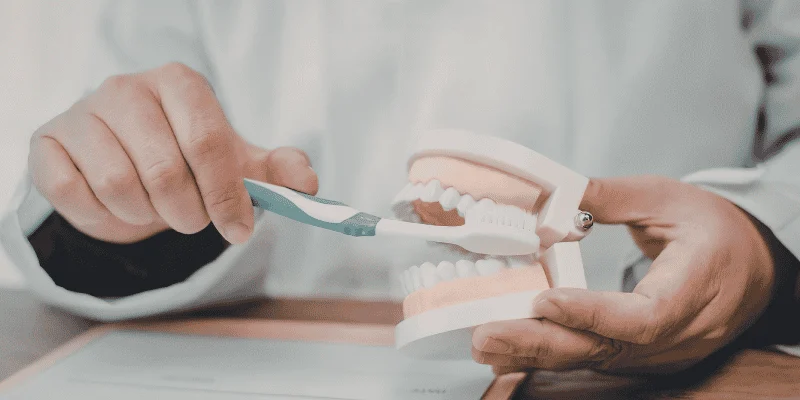
Your implant treatment plan should account for your specific health conditions, medications, and bone quality. Your dentist will assess your bone density before surgery and may adjust the implant design or healing timeline based on your needs.
Proper maintenance is essential for long-term implant success. You should brush twice daily, floss around your implants, and use antimicrobial rinses as recommended.
Schedule professional cleanings every three to six months so your dental team can monitor your implant health. They’ll check for signs of inflammation or bone loss around the implant.
Your dentist may recommend more frequent visits if you have conditions that affect bone healing. X-rays taken at regular intervals help track the bone level around your implants over time.
Frequently Asked Questions
Bone density naturally changes with age, and this affects how well dental implants work.
Understanding the connection between aging, jawbone health, and implant success can help you make informed decisions about tooth replacement.
How does aging affect bone density in the jaw over time?
Your jawbone naturally loses density as you get older. This happens because your body’s ability to rebuild bone slows down with age.
Women often experience more bone loss after menopause due to decreased estrogen levels. Men also lose bone density as they age, but usually at a slower rate.
When you lose teeth, the jawbone in those areas deteriorates even faster. Without tooth roots to stimulate the bone, your body stops maintaining that section of the jaw.
Age-related changes in bone quality can make it harder for dental implants to integrate properly. The bone becomes less dense and may not provide as much support.
Can low bone density increase the risk of dental implant failure?
Yes, low bone density can significantly increase your risk of implant failure. Your jawbone needs to be strong enough to hold the implant in place while it heals.
Research shows that older adults aged 66-80 with lower bone density experience higher failure rates compared to younger patients. In one study, this age group had a 14.56% early failure rate within six months.
The implant needs solid bone to fuse with during osseointegration. When bone density is too low, the implant may not stay stable enough to complete this process.
Your dentist will measure your bone density before recommending implants. They use special scans to check if you have enough healthy bone for successful placement.
What bone grafting options are available if there isn’t enough bone for an implant?
Bone grafting can build up your jawbone when you don’t have enough natural bone for implants. Your dentist adds bone material to the weak areas to create a stronger foundation.
Several types of grafting materials are available. These include bone from your own body, donor bone from a tissue bank, or synthetic bone substitutes.
The grafting procedure typically requires several months of healing before implant placement. Your body needs time to incorporate the graft material and build new bone.
Sinus lifts are a specific type of graft for the upper jaw. This procedure adds bone below the sinus cavity to support implants in the back of your upper jaw.
Are dental implants a safe and effective option for someone in their 70s or 80s?
Dental implants can work well for people in their 70s and 80s, but success depends on your overall health and bone quality. Age alone doesn’t disqualify you from getting implants.
Your general health matters more than your age. If you’re healthy enough for routine dental procedures, you’re likely a good candidate for implants.
Studies show that implant success rates in older adults are generally good when bone density is adequate. However, the 66-80 age group does show higher failure rates compared to younger patients.
Your dentist will evaluate your medical history, medications, and bone health. Conditions like uncontrolled diabetes or osteoporosis may require special consideration.
How long do dental implants typically last in older adults?
Dental implants can last many years when properly cared for, even in older adults. Many implants continue functioning for 15 to 25 years or longer.
The longevity depends on several factors. These include your bone density, oral hygiene habits, and overall health status.
Research indicates that peri-implant bone loss in older patients is similar to younger age groups after one to five years. This suggests that age doesn’t necessarily reduce implant lifespan when initial placement is successful.
Regular dental checkups help your implants last longer. Your dentist can spot potential problems early and address them before they cause failure.
What can I do to help protect jawbone health and support implant success as I age?
Maintaining good oral hygiene is the most important step you can take. Brush twice daily and floss around your implants to prevent infection.
Getting adequate calcium and vitamin D supports bone health throughout your body, including your jaw. Talk to your doctor about whether you need supplements.
Avoid smoking, as it significantly reduces blood flow to your jawbone. This makes healing harder and increases your risk of implant failure.
Visit your dentist regularly for professional cleanings and checkups. They can monitor your bone density and catch problems early.
Stay active and maintain a healthy diet. Weight-bearing exercise and proper nutrition help preserve bone density as you age.