

Dental implants usually work well, but sometimes they fail and need to be replaced. When this happens, you must consider dental implant retreatment options carefully this second time around.
The main difference when redoing a failed implant is that your dental team must first identify and fix the reason for the original failure, which often means additional steps like bone grafting, better infection control, or changing the implant placement location.
Dental implant failure rates range from 1% to 19%, and while these numbers are relatively low, failures do occur. The good news is that a failed dental implant can often be replaced once the underlying problem is addressed.
The process takes more planning and care than your first implant, but modern technology and techniques make successful replacement very possible.
Understanding what went wrong and how the redo process works can help you feel more confident about trying again.
Whether your implant failed early or after years of use, knowing what to expect can ease your concerns and help you make informed decisions about your treatment options.
Key Takeaways
- Redoing a failed implant requires finding and fixing the cause of failure before placing a new implant
- The second implant often needs extra procedures like bone grafting to rebuild lost jawbone tissue
- Success rates for replacement implants are high when risk factors are properly managed and addressed
Understanding Why Dental Implants Fail
Dental implants can fail due to infections, inadequate bone support, or problems during the healing process.
Recognizing warning signs early and understanding different failure types helps you take action before losing your implant completely.
Signs and Symptoms of Implant Failure
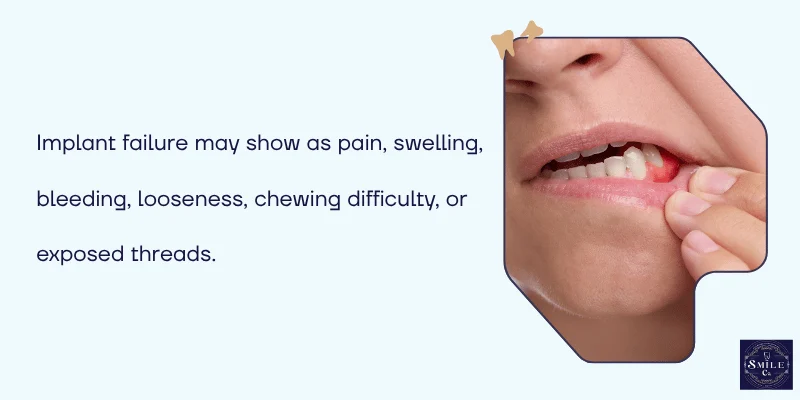
You might notice several warning signs when your dental implant starts to fail. Pain or discomfort around the implant site is often the first indicator, especially if the implant felt fine for months or years.
Swelling and redness in your gums near the implant suggest infection or inflammation. You may also experience bleeding when you brush or floss around the implant area.
Looseness is a serious sign that something’s wrong. Your implant should feel as stable as a natural tooth. If it moves or shifts when you touch it, the implant is likely failing.
Common warning signs include:
- Persistent pain or tenderness
- Gum swelling or inflammation
- Bleeding around the implant
- Implant mobility or looseness
- Difficulty chewing
- Exposed implant threads
Types of Implant Failure: Early vs. Late
Dental implant failure falls into two main categories based on when problems occur. Early failures happen within the first few months after placement, usually during the healing period.
Early failures typically result from poor osseointegration, where your bone doesn’t properly fuse with the implant. Infection at the surgical site, inadequate bone quality, or surgical complications can prevent this crucial bonding process.
Late implant failure occurs after your implant has successfully integrated with the bone. This can happen even years after placement and often involves gradual bone loss around the implant.
Peri-implantitis is a leading cause of late failures. This inflammatory condition damages the tissues and bone supporting your implant, similar to how gum disease affects natural teeth.
Risk Factors Involved
Multiple factors contribute to implant failure, with some you can control and others you cannot. Smoking significantly increases your risk by reducing blood flow and slowing healing.
Poor oral hygiene allows bacteria to accumulate around your implants, leading to infections and peri-implantitis. Medical conditions like diabetes or osteoporosis affect bone quality and healing capacity.
The implant location matters too. Upper jaw implants fail more often than lower jaw implants due to softer bone density. Insufficient bone quantity at the implant site creates an unstable foundation.
Key risk factors include:
- Smoking or tobacco use
- Uncontrolled diabetes
- Poor oral hygiene habits
- Insufficient bone density
- Bruxism (teeth grinding)
- Previous radiation therapy to the jaw
- Certain medications affect bone health
Your age and overall health status also play roles in long-term implant success.
Diagnosis and Assessment Before Redoing Implants
Before your dentist can replace a failed implant, they need to understand exactly what went wrong and whether your mouth is ready for another attempt. A thorough evaluation helps identify problems that caused the first failure and determines what needs to change for better results.
Comprehensive Evaluation and Imaging
Your dentist will start with detailed X-rays or a CT scan to see what’s happening beneath your gums. These images show how much bone remains around the failed dental implant site and whether infection damaged nearby structures.
The scan helps measure bone density and volume at the exact location where a new implant would go. Your dentist can also spot any hidden infections or cysts that formed after the first implant failed.
Digital imaging allows your dentist to plan the exact size and angle for a replacement implant. They’ll look at how close the site is to nerves, sinuses, or other teeth that could affect placement.
Assessing Bone and Gum Health
Your dentist will check if you have enough healthy bone to support a new implant. Bone loss often happens after implant failure, especially if infection was involved.
They’ll measure the width and height of available bone using the imaging from your scan. If bone loss occurred, you might need a bone graft before getting a replacement implant.
Your gum tissue also needs examination for signs of disease or inflammation. Healthy gums are essential for successful osseointegration, which is when your bone fuses with the implant.
Peri-implantitis, a gum disease around implants, must be completely treated before placing a new implant. Your dentist will probe around the area to check for bleeding, pus, or loose tissue.
Identifying Underlying Causes
Understanding why your first implant failed is critical for preventing another failure. Your dentist will review your medical history and look for risk factors like smoking, diabetes, or medications that affect bone healing.
They’ll examine whether the original implant failure happened early or late. Early failures usually mean osseointegration never occurred, while late failures often involve infection or mechanical problems.
Your bite alignment gets checked to see if too much force was placed on the implant. Sometimes implants fail because teeth don’t come together properly when you chew.
Your dentist will also ask about your oral hygiene habits and any symptoms you noticed before the implant failed. This information helps them create a better treatment plan for your replacement implant.
The Redo Implant Process: Steps and Considerations
Replacing a failed implant requires careful planning and multiple steps to ensure success. The process typically involves removing the old implant, rebuilding the bone if needed, and placing a new implant once the site has healed properly.

Implant Removal: Techniques and Recovery
Your oral surgeon will first need to take out the failed implant. The removal technique depends on whether the implant has integrated with your bone or stayed loose.
Loose implants come out easily with minimal trauma to the surrounding tissue.
Integrated implants require more careful work. Your surgeon may use a special tool called a trephine to cut around the implant and remove it with the surrounding bone. This approach protects the remaining healthy bone.
Recovery from implant removal usually takes a few weeks. You’ll need to keep the area clean and follow your surgeon’s care instructions.
Most people experience mild discomfort that goes away within a few days. The site needs time to heal before any additional procedures can happen.
Bone Grafting and Site Preparation
Many failed implants damage the surrounding bone structure. Bone grafting helps rebuild lost tissue before placing a new implant. Your surgeon will evaluate how much bone loss occurred and determine if you need a bone graft.
The grafting material can come from your own body, a donor, or synthetic sources. Your surgeon places this material into the empty socket where the old implant was. The graft acts as a scaffold that encourages your natural bone to grow back.
Healing from a bone graft takes several months. Your body needs this time to build new bone tissue.
Some patients can have a bone graft and new implant placed at the same time, while others need a staged approach where the graft heals first.
Implant Replacement Procedure
Once your bone has healed properly, you’re ready for implant replacement. Your surgeon will often choose a larger diameter implant than the original one to fit the prepared site better. This provides more stability and surface area for bone integration.
The placement procedure follows the same basic steps as your first implant. Your surgeon creates a precise opening in the bone and carefully positions the new implant.
Advanced planning with 2026 technology helps ensure accurate placement.
You’ll go through another healing period of several months while the implant fuses with your bone. Your surgeon will monitor the site closely during this time to catch any early signs of problems.
How Redoing Implants Differs from the First Time
When you need to replace a failed dental implant, the process involves different planning, newer options, and different success rates than your first procedure.
Your oral surgeon must address why the first implant failed and take extra steps to improve your chances of success.
New Technologies and Materials in 2026
Modern implant materials have improved significantly for replacement procedures. You can benefit from advanced surface treatments that help bone attach better to the implant.
These newer surfaces encourage faster healing and stronger bonds between your bone and the replacement implant.
Advanced materials and bone regeneration techniques available in 2026 give you better options than what was available just a few years ago.
Your dentist can use precise digital planning tools to see exactly where the first implant failed and plan the exact position for your new one.
3D imaging technology lets your oral surgeon see your bone structure in detail before surgery. This helps them decide if you need bone grafting or if they can place your new implant right away.
Some replacement procedures now use growth factors that speed up bone healing around your new implant.
Changes in Treatment Approach
Your experienced oral surgeon will take more time planning your second implant than they did for your first one. They need to figure out what caused your first implant to fail before moving forward.
Common causes include infection, poor bone quality, or problems with how you bite.
You might need extra procedures like bone grafting or soft tissue grafts before getting your replacement implant.
Replacement implants often require additional soft and hard tissue grafts and longer healing times compared to first-time placements.
The timing of your implant replacement matters. Your dentist might wait longer between removing the failed implant and placing a new one to let your bone heal completely.
This waiting period helps create better conditions for your second implant to succeed.
Risks and Success Rates of Second Attempts
Your second implant has a lower chance of success than your first one. Research shows that implants placed for the first time had a 98.6% survival rate, while first replacements had a 96.1% survival rate.
If you need a second replacement, the numbers drop more. Studies found that second reimplantations had a 72.7% survival rate, which is noticeably lower than first attempts.
Key risk factors for replacement implant failure include:
- Smoking
- The type of implant surface used
- When the replacement happens after removal
- Your overall health conditions
Patient factors affect reimplantation success more than implant factors, which means your habits and health play a bigger role the second time around.
Working closely with your dentist to address these risks gives you the best chance for a successful implant replacement.
Alternatives When Replacement Isn’t Possible
Sometimes, bone loss or gum disease makes it too risky to place another implant in the same spot.
When implant replacement isn’t feasible, your oral surgeon can offer other ways to fill the gap left by your missing tooth.
Fixed Partial Dentures
A fixed partial denture, commonly called a bridge, attaches to the natural teeth on either side of your gap. Your dentist shapes the neighboring teeth to support crowns that hold the replacement tooth in place.
Bridges offer a permanent solution that doesn’t require removal for cleaning. You brush and floss around them like natural teeth, though you’ll need special floss threaders to clean underneath.
Benefits of bridges include:
- No surgery required
- Completed in 2-3 weeks
- Natural appearance and function
- Lower cost than implants
The main drawback is that healthy teeth must be filed down to support the bridge. This process removes enamel that never grows back. Bridges typically last 10-15 years before needing replacement.
Removable Partial Denture Options
A removable partial denture uses metal clasps or precision attachments to hook onto your remaining teeth. You take it out each night for cleaning and soaking.
Modern partials are much lighter and more comfortable than older versions. The base can be made from flexible materials that blend with your gums. Metal frameworks provide strength while keeping the appliance thin.
Partial dentures work well when:
- Multiple teeth are missing
- Budget is a primary concern
- Surrounding teeth aren’t strong enough for a bridge
- You want a non-surgical option
You’ll need practice eating with a partial denture at first. Start with soft foods and gradually add harder items as you adjust. Remove and clean your partial after meals to prevent food buildup.
Factors Influencing Treatment Selection
Your oral surgeon considers several factors when recommending alternatives to another implant attempt. The amount of remaining bone determines whether your jaw can support a bridge or needs the lighter pressure of a removable option.
Your overall health plays a major role in treatment planning. Conditions like uncontrolled diabetes or osteoporosis may make surgery risky, but won’t prevent you from getting a bridge or partial denture.
Cost differences between options are significant. Bridges typically range from $2,000 to $5,000 per tooth, while removable partials cost $1,500 to $3,000.
Your insurance coverage and payment timeline affect which choice makes sense for your situation.
The number and location of missing teeth also guide the decision. A single gap in a visible area often calls for a bridge, while multiple missing teeth spread across your mouth work better with a partial denture.
Ready to fix a failed dental implant? Take the first step toward a stronger, healthier smile today.
Preventing Implant Failure After a Redo
Getting a second implant right requires addressing what went wrong the first time and taking extra steps to protect your investment.
Success depends on controlling risk factors like smoking, maintaining excellent oral hygiene, and working closely with your dental team for ongoing monitoring.
Importance of Oral Hygiene and Maintenance
Your daily cleaning routine becomes even more critical after a redo implant. Plaque buildup around implants can lead to peri-implantitis, an infection that destroys the bone supporting your implant.
You need to brush twice daily with a soft-bristled toothbrush and clean around the implant with interdental brushes or water flossers. Regular flossing removes bacteria from areas your toothbrush can’t reach.
Professional cleanings every 3-6 months help your dentist catch problems early. During these visits, your dental team will remove hardened plaque and check for signs of infection or bone loss.
Essential daily care steps:
- Brush for two minutes twice daily
- Use interdental brushes designed for implants
- Rinse with antimicrobial mouthwash
- Avoid abrasive toothpastes that can scratch implant surfaces
Managing Health and Lifestyle Risk Factors
Research shows that smoking significantly increases your risk of a second implant failing. Tobacco restricts blood flow to your gums and slows healing after surgery.
If you smoke, quitting before your redo procedure gives you the best chance of success. Talk to your doctor about cessation programs or nicotine replacement therapy.
Uncontrolled diabetes also affects healing and increases infection risk. Work with your physician to keep blood sugar levels stable before and after implant placement.
Your oral surgeon may recommend waiting several months after your first implant fails before placing a new one. This timing allows the bone to heal properly and reduces the chance of repeat failure.
Follow-Up Care and Monitoring
Regular checkups with your dental team help catch problems before they cause long-term implant failure. Your dentist will take X-rays to monitor bone levels around your implant and check for signs of infection.
Schedule appointments according to your dentist’s recommendations, typically every 3-6 months for the first year. These visits often include professional cleaning, bite adjustments, and stability testing.
Report any warning signs immediately, including pain, swelling, bleeding gums, or loose-feeling restorations. Early intervention can prevent minor issues from becoming serious complications.
Your dentist may ask you to keep a log of any discomfort or changes you notice between appointments. This information helps them track your healing progress and adjust your care plan as needed.
Request an appointment now for a full evaluation and a personalized dental implant retreatment plan.
Frequently Asked Questions
Implant failures raise many practical questions about causes, warning signs, and next steps. Understanding these details helps you make informed decisions about replacement options and financial considerations.
What are the most common reasons a dental implant fails?
Implants can fail for several different reasons. Infection around the implant site is one of the most common causes. Poor bone quality or insufficient bone volume can prevent the implant from integrating properly with your jawbone.
Other factors include smoking, uncontrolled diabetes, and poor oral hygiene. Sometimes the implant doesn’t get positioned correctly during the initial surgery.
Excessive force from grinding your teeth or biting down too hard can also cause problems.
What early warning signs should I watch for if an implant might be failing?
Pain or discomfort around your implant is often the first sign something’s wrong. You might notice the implant feels loose or moves slightly when you touch it.
Swelling, redness, or bleeding around the implant site shouldn’t be ignored. Bad breath or a bad taste in your mouth near the implant can signal infection.
Some people also experience difficulty chewing or notice their gums pulling away from the implant.
If you see any of these signs, contact your dentist right away. Catching problems early gives you more treatment options.
Can a failed dental implant be removed and replaced, and what determines if it’s possible?
Replacing a failed dental implant is often possible and straightforward. Your dentist will first need to figure out why the original implant failed. Addressing that underlying problem is essential before placing a new implant.
The amount of bone remaining in your jaw plays a big role in whether replacement is possible. If you’ve lost significant bone, you might need a bone graft first.
Your overall health matters too, since conditions like uncontrolled diabetes can affect healing.
Replacement implants have survival rates ranging from 69% to 91%. These rates are lower than those of first-time implants, but many patients still have successful outcomes.
What treatment options are available if an implant fails because of bone loss?
Bone grafting is the most common solution when bone loss causes implant failure. This procedure adds bone material to your jaw to create a stronger foundation. The graft can come from your own body, a donor, or synthetic materials.
Your dentist might also suggest using a wider or longer implant if enough bone remains. Some cases require sinus lift procedures to add bone in the upper jaw.
Another option involves placing the new implant in a slightly different position where the bone quality is better.
The healing time after bone grafting typically takes several months before a new implant can be placed.
How long after an implant fails should I wait before trying again?
The waiting period depends on why your implant failed and what treatments you need. If the infection caused the failure, you’ll need to wait until the infection clears completely. This usually takes a few weeks to a couple of months.
When bone grafts are necessary, you’ll wait longer for the new bone to integrate with your existing jaw. This process often takes three to six months.
Your dentist will check your healing progress before scheduling the replacement.
Some cases allow for immediate replacement if the bone is healthy and no infection exists. Your specific situation determines the timeline.
If an implant fails, how is responsibility handled and what should I ask about refunds or warranties?
Warranty policies vary widely between dental practices. Some dentists offer guarantees that cover replacement costs if an implant fails within a certain timeframe. Others might charge full price for the replacement.
Ask your dentist about their warranty policy before getting your initial implant. Find out what circumstances are covered and which ones aren’t. Patient-related factors like poor oral hygiene or smoking often aren’t covered by warranties.
If your implant fails due to a surgical error or defective materials, you may have grounds for a refund or free replacement. Get all warranty information in writing before any procedures.
Don’t hesitate to ask questions about who pays for what if something goes wrong.