

Losing teeth affects more than just appearance; it can disrupt daily life by causing issues with eating and speaking and even leading to misaligned adjacent teeth. For residents in Greenville, SC, there’s good news. Dental implants offer a reliable and transformative solution to these challenges. They not only restore your smile but also enhance your overall oral health.
However, one question often arises: is getting teeth implants painful? The procedure itself is typically performed under local anesthesia, ensuring that patients experience minimal discomfort during the surgery.
This concern is valid, and understanding what to expect can ease worries, paving the way for a confident decision toward achieving a healthier, more vibrant smile. Let’s explore what the process involves and how it can bring you lasting relief and restoration.
What Are Dental Implants?
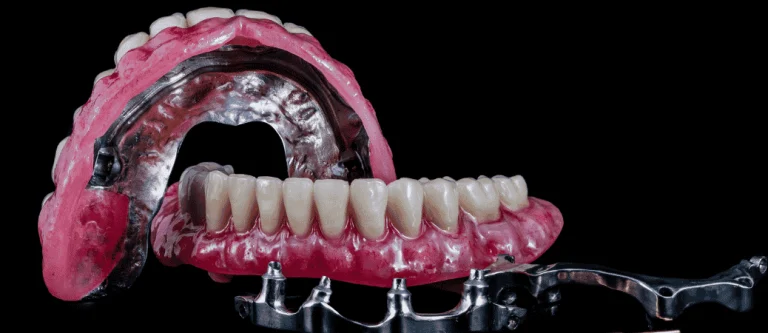
Dental implants serve as a sturdy foundation, providing the stability needed for replacement teeth that closely mimic natural ones. These implants act as an artificial tooth root, seamlessly integrating with the jawbone to support a replacement tooth such as a crown or dentures. By promoting bone growth and preventing jawbone deterioration, dental implants contribute to maintaining overall oral health and a natural facial structure over time.
For those wondering how painful are implants teeth, this advanced technique not only revitalizes your smile but also restores function, allowing you to eat, speak, and smile with increased confidence.
What to Expect During the Dental Implant Procedure?
Initial Consultation
During the initial consultation, your dentist will evaluate your oral health, take X-rays, and discuss your medical history. This step determines your candidacy for dental implants and allows the dentist to plan the treatment accordingly.
Treatment Planning
Your dentist will develop a personalized treatment plan that outlines each step of the implant process. This plan considers factors like the number of implants needed and the state of your jawbone.
Surgical Placement of Implants
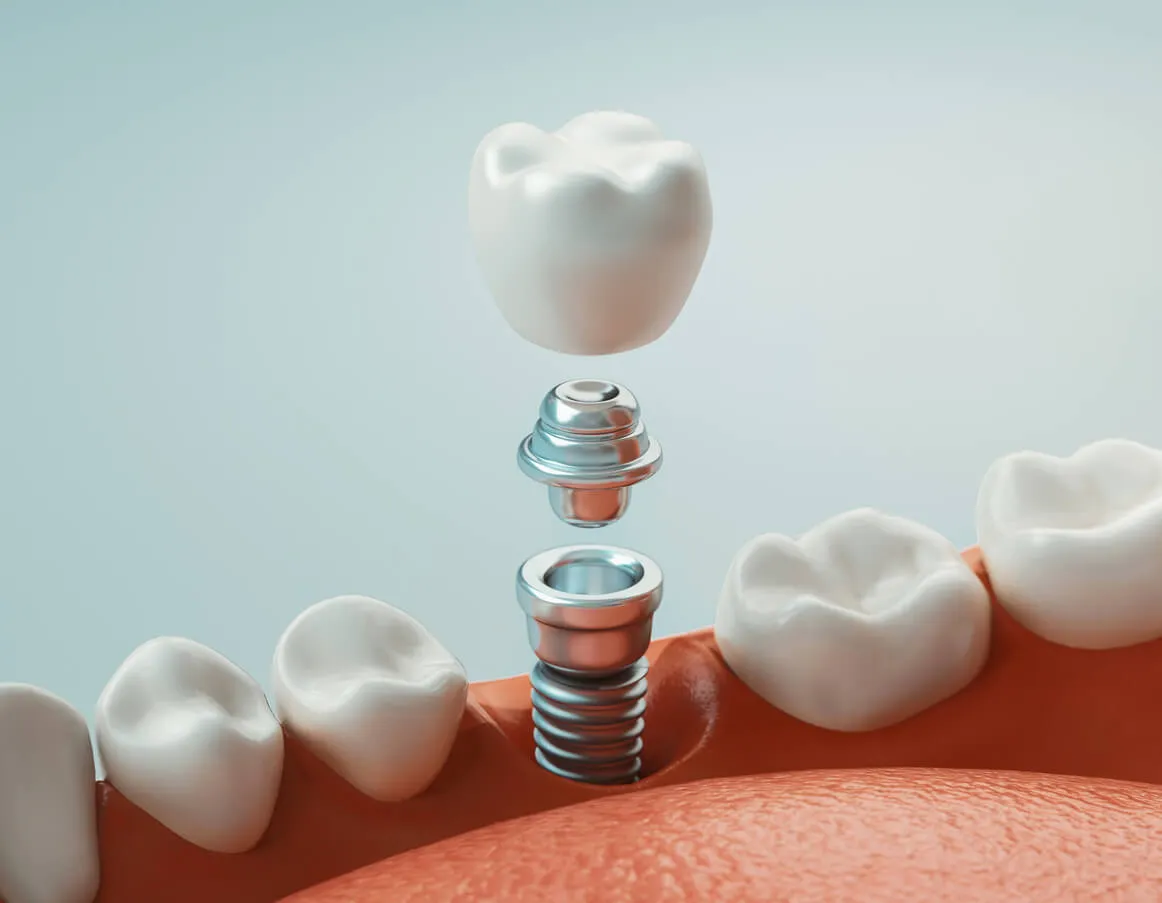
The dental implant procedure begins with surgically placing a titanium post into the jawbone. This acts as an artificial tooth root and typically requires a healing period to achieve osseointegration.
Osseointegration Period
Following the implant placement, a period of healing known as osseointegration occurs. During this time, the implant fuses with the jawbone, providing a stable foundation for the replacement tooth.
Abutment Placement
Once osseointegration is successful, an abutment is attached to the implant. This connector piece allows the dental crown or other prosthesis to be securely mounted.
Placement of the Artificial Tooth
The final step involves attaching the artificial tooth, such as a crown or denture, to the abutment. This completes the restoration, providing you with a natural-looking and fully functional replacement tooth.
Is It Painful to Get Teeth Implants?
For most people, the notion of dental implant treatment brings questions about potential pain. However, most find the dental procedure involves only minimal discomfort, thanks to modern advancements in dental practices.
Local anesthesia is typically used during the procedure to numb the area, ensuring you remain comfortable. Post-surgery, any discomfort can often be managed with over-the-counter pain medication, and most patients report that recovery is smoother than anticipated.
Here’s why the procedure is less daunting than it seems:
- Advanced Anesthesia Techniques. Dentists in Greenville, SC, utilize state-of-the-art anesthesia methods that effectively numb the targeted area, ensuring a pain-free surgical procedure experience for each individual, as the level of pain may vary from person to person.
- Sedation Dentistry. For those with heightened anxiety, options like oral sedation are available alongside methods such as IV sedation with local anesthesia and general anesthesia. This approach keeps patients relaxed and comfortable throughout the actual procedure.
- Thorough Pain Management. Prescribed medications and careful aftercare significantly manage post-procedure discomfort, including unexpected pain, making recovery smoother.
- Experienced Dental Teams. Skilled practitioners apply gentle techniques and personalized care, further minimizing any pain.
Overall, these comprehensive pain management strategies make the concern of “Is it painful to get teeth implants?” much less significant, paving the way for a positive dental experience.
How to Take Care of Dental Implants After the Surgery?
Monitor for Swelling or Infection
Keep an eye on the surgical area for any signs of swelling or redness, which can be normal but should gradually decrease over several days. If swelling persists or you notice any unusual discharge, contact your dentist promptly, as it could indicate infection. Regularly monitoring the site allows for early detection and treatment of any complications.
Follow the Pain Management Plan
Your dentist will likely prescribe pain medication or recommend over-the-counter options to manage discomfort after surgery. Adhere to the pain management plan to ensure a smooth and comfortable recovery. Keeping pain in check can promote better healing and improve your post-surgical experience.
Avoid Smoking and Drinking Alcohol
Smoking and alcohol can impede the healing process and increase the risk of implant failure. It’s crucial to refrain from these activities for a specified period, as advised by your dentist. Opting for a healthy recovery by avoiding these substances can significantly enhance the success rate of your implant.
Foods to Eat and to Avoid
Stick to a soft diet immediately following the surgery, consuming foods like yogurt, mashed potatoes, and smoothies that do not exert pressure on the implants. Avoid hard, sticky, or crunchy foods that could disturb the surgical site and prolong the healing process. Following dietary guidelines supports a smoother recovery and reduces the risk of complications.
Maintain Good Oral Hygiene
Keeping the implant area clean is crucial for healing and preventing infection. Gently rinse your mouth with a dentist-recommended solution or saltwater, and avoid vigorous brushing around the site initially. Over time, resume regular oral hygiene practices to maintain both the implant and your overall oral health.
Attend Follow-Up Appointments
Your dentist will schedule follow-up visits to monitor the healing process and the integration of the implant with the jawbone. Attend these appointments to address any concerns and ensure the implant is set correctly. Regular check-ups are vital to the long-term success of your dental implants.
FAQs
Does a dental implant hurt more than a root canal?
The discomfort experienced during a dental implant procedure is generally comparable to that of a root canal. Both procedures involve local anesthesia to minimize pain during the process, with post-operative soreness being manageable through prescribed pain relief. Most patients report similar levels of discomfort during recovery, which typically diminishes within a few days.
How long before dental implants feel normal?
It may take several weeks to a few months for dental implants to fully integrate with the jawbone and feel like a natural part of your mouth. Initial discomfort and adjustment are common, but as healing progresses, the implant should begin to feel more like your natural teeth. Complete integration and comfort usually occur three to six months after placement.
What is the best pain relief after dental implants?
Over-the-counter medications such as ibuprofen or acetaminophen are typically recommended for managing minor post-operative pain following dental implant surgery. Your dentist may also prescribe stronger pain relief if necessary, depending on your individual comfort levels. Applying ice packs to the affected area can further reduce swelling and aid pain management in the initial days.
How much time off work for dental implants?
The amount of time needed off work varies depending on the extent of the procedure and personal recovery speed. Many patients return to work within a day or two, while others might require additional rest if multiple implants were placed. It’s important to consult with your dentist about your recovery timeline to plan accordingly.
How long after dental implants can I eat normally?
Typically, patients can return to their normal diet gradually over a few weeks following dental implant surgery. Initially, a soft-food diet is recommended to minimize pressure on the implant site and promote healing. As recovery progresses and comfort increases, you can slowly reintroduce harder foods based on your dentist’s guidance.
Unlock a Radiant Smile With The Smile Company’s Expert Dental Care!
Rediscovering your smile with dental implants in Greenville, SC, has never been more accessible. This transformative journey, highlighted by advanced techniques, offers restored function and aesthetics with minimal discomfort. Imagine stepping forward with renewed confidence and excellent oral health, all within your reach.
Let The Smile Company be your trusted partner on this path, delivering expert guidance and personalized care to craft a vibrant, lasting smile. Our dedicated professionals prioritize your comfort and needs, using state-of-the-art dental solutions. Don’t wait any longer—embrace the chance to enhance your quality of life.
Contact The Smile Company today and start your journey towards a healthier, more radiant smile that leaves a lasting impression. Experience the excellence in dental care that’s tailored uniquely for you.