

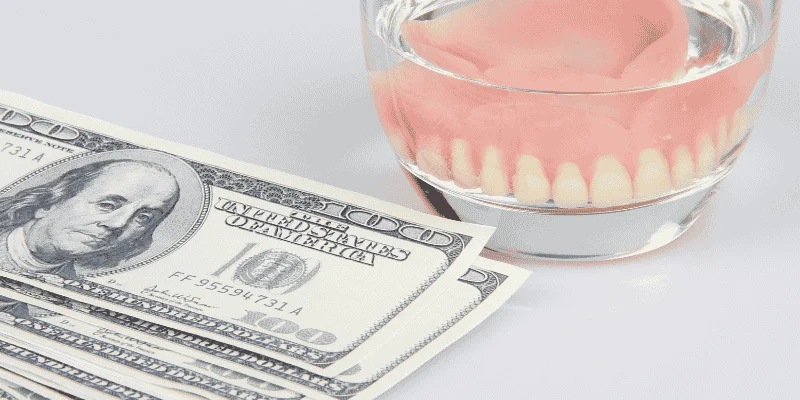
Dental implants cost thousands of dollars, and many people wonder why the price is so high compared to other dental treatments.
Dental implants are expensive because they combine high-grade materials like titanium or zirconia, specialized surgical expertise, and cutting-edge digital technology, with each component adding to the total cost.
Understanding why dental implants are expensive helps you assess the investment and determine whether implants are the right choice for your needs.
The price you see isn’t just for a single product.
It covers advanced materials that integrate with your bone, years of training that dental surgeons need to perform these procedures safely, and sophisticated equipment like 3D imaging and computer-guided systems.
Advanced materials, expert skill, and specialized technology work together to create a tooth replacement solution built to last decades.
Beyond the basic implant, you might need additional procedures like bone grafts or custom surgical guides. The location of the dental practice and the number of implants you need also affect your final bill.
This guide breaks down each cost driver so you know exactly what you’re paying for and why.
Key Takeaways
- Dental implants combine premium materials, surgical expertise, and digital technology that each contribute to the overall cost
- Your total price depends on how many implants you need, any preparatory procedures required, and your location
- Implants typically cost more upfront than alternatives but offer greater durability and function over time
Core Components of Dental Implants
A dental implant consists of three main parts that work together to replace a missing tooth.
The titanium post anchors into your jawbone, the abutment connects the post to the final restoration, and the crown provides the visible tooth structure you see when you smile.
Implant Post and Biocompatible Materials
The implant post serves as the foundation of your tooth replacement. This small screw-shaped fixture gets surgically placed into your jawbone where it acts as an artificial tooth root.
Surgical-grade titanium is the most common material because your body naturally accepts it without rejection. Titanium must meet strict medical specifications for purity and strength, which makes it more expensive than regular industrial metals.
Some dentists use zirconia, a white ceramic material, for cases where you need better aesthetics in visible areas like your front teeth.
These materials cost more because they’re manufactured to exact medical standards. The post must be strong enough to handle chewing forces while remaining compatible with your body’s natural processes.
Abutment and Custom-Crafted Crown
The abutment is a connector piece that sits between your implant post and the final crown.
Your dentist often designs this part using advanced CAD/CAM technology to ensure it fits your specific anatomy perfectly.
A custom abutment creates a natural appearance at your gumline and helps the crown sit in the correct position.
The dental crown is the visible tooth replacement that goes on top. Dentists typically make crowns from high-strength porcelain or ceramic materials that can withstand your daily biting and chewing.
Skilled dental laboratory technicians craft each crown to match the color and shape of your natural teeth.
This customization requires specialized artistry and precision work, which adds to the overall cost.
Role of Osseointegration
Osseointegration is the process where your jawbone fuses directly with the titanium implant post. This biological bond is what makes dental implants different from other tooth replacements like a dental bridge.
Your bone cells grow around and attach to the implant surface over several months.
This fusion creates a stable anchor that can last for decades with proper care. The success of osseointegration depends on using the right biocompatible materials and proper surgical placement.
Without this process, your implant wouldn’t be able to withstand chewing forces or provide the stability you need for daily activities.
If you’re considering dental implants and want to understand what’s right for your smile, contact us to discuss your goals and next steps with our experts.
Expertise and Skill: The Human Factor
The dentist’s training and experience account for a significant portion of dental implant costs. Years of specialized education, the involvement of multiple specialists, and the complexity of the multi-stage process all contribute to the final price.
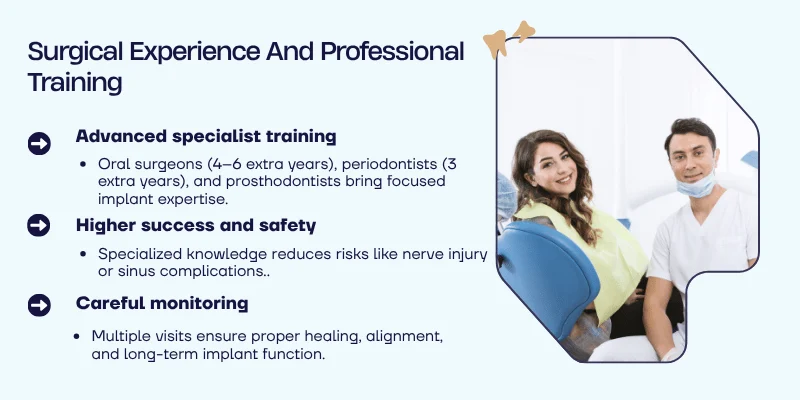
Alt-text: surgical-experience-and-professional-training
Surgical Expertise and Training
General dentists can place implants, but specialists invest additional years in advanced training beyond dental school. An oral surgeon completes four to six years of surgical residency focused on jaw surgery and complex extractions.
A periodontist spends three extra years studying gum disease and the supporting structures around teeth. This specialized knowledge helps them handle challenging cases involving bone loss or gum complications.
The dental professional’s expertise directly affects both the success rate and the longevity of your implant.
Specialists understand complex jaw anatomy and can avoid serious complications like nerve damage or sinus perforation during implant placement.
Specialists Involved: Oral Surgeon, Periodontist, Prosthodontist
Your dental implant procedure may involve more than one specialist depending on your specific needs. An oral surgeon typically handles the surgical placement of the implant post into your jawbone.
A periodontist manages bone grafting procedures and treats any gum tissue issues before or during the implant proctess. They focus on creating healthy conditions for successful integration.
The prosthodontist designs and fits your final restoration. They ensure your new crown matches your natural teeth in color, shape, and function.
Some patients work with all three specialists, while simpler cases might only require one.
Procedure Complexity and Multi-Stage Process
The dental implant procedure spans several months and involves multiple appointments. Your first visit includes comprehensive imaging and treatment planning to map your jaw structure.
The surgical phase places the titanium post into your jawbone. You then wait three to six months for osseointegration, where the bone fuses with the implant.
After healing, the dentist attaches an abutment connector piece. Finally, they take digital impressions and place your custom crown.
Each stage requires clinical time, follow-up visits, and careful monitoring to ensure proper healing and function.
Technological Innovations Raising Costs
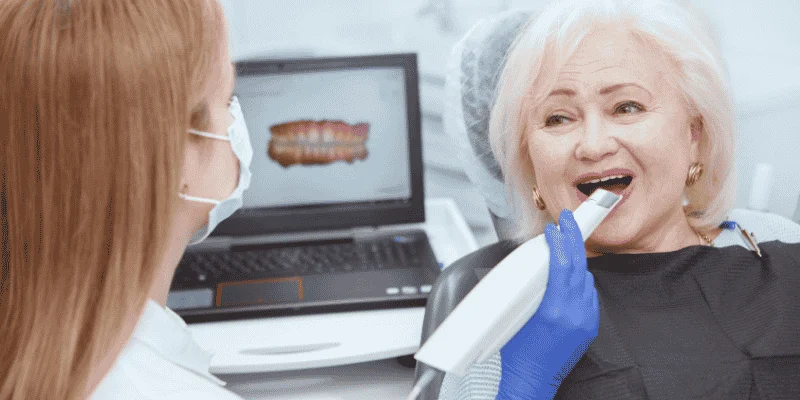
Modern dental implant procedures now rely on sophisticated digital tools that require significant investment from dental practices.
These technologies improve accuracy and outcomes but add substantial costs to treatment.
Alt-text: technological-innovations-raising-costs
3D Imaging and Computer-Guided Surgery
3D cone beam computed tomography (CBCT) scanners have changed how dentists plan your implant placement. These machines cost dental offices between $80,000 and $150,000, and that investment gets passed along to you as the patient.
The detailed images show your jawbone density, nerve locations, and sinus cavities in three dimensions. Your dentist can see exactly where to place the implant before making any cuts.
Computer-guided surgery uses this imaging data to create surgical guides that direct the drill to the precise location and angle.
This precision reduces surgical time and lowers your risk of complications. These modern dental implant technologies deliver significant improvements in patient care.
However, software licenses and equipment maintenance add $500 to $1,500 per implant case.
Advanced Laboratory and Customization
Custom abutments and crowns now get designed using CAD/CAM (computer-aided design and manufacturing) systems. Your dental practice or lab partner uses digital files to mill crowns from solid blocks of ceramic or zirconia.
These milling machines cost between $50,000 and $200,000. The materials themselves are more expensive than traditional options. A single zirconia blank can cost $40 to $100.
The benefit for you is a crown that fits better and looks more natural. The technological milestones in dental innovation enhance the final result. Digital customization also means fewer adjustments and follow-up visits.
Digital Impressions and Planning
Intraoral scanners have replaced the uncomfortable putty molds you might remember. Your dentist waves a small wand around your mouth to capture thousands of images. The scanner builds a 3D model of your teeth and gums in minutes.
These scanners cost dental practices $20,000 to $40,000 each. They need regular software updates and calibration. Digital planning software adds $3,000 to $10,000 in annual subscription fees.
You get more comfortable appointments and faster turnaround times. The digital files are sent directly to the lab without shipping physical impressions.
The role of technology in reducing certain costs helps offset expenses by improving efficiency.
Preparatory and Additional Procedures
Many patients need extra work done before an implant can be placed. These preparatory steps add time and cost but make sure the implant has a strong foundation to last for years.
Bone Grafting and Sinus Lift
If your jawbone isn’t thick or tall enough to support an implant, you’ll likely need a bone graft. This procedure adds bone material to the weak area so the implant has something solid to attach to.
Bone grafting can use your own bone, donor bone, or synthetic materials. The graft needs time to heal and fuse with your existing bone before the implant surgery can happen.
This adds several months to the timeline and can cost $300 to $1,200 per graft site.
A sinus lift is a specific type of bone graft needed when placing implants in the upper back jaw. The sinus floor is gently lifted and bone material is added underneath.
This creates enough height for the implant to fit without poking into the sinus cavity. Sinus lifts typically cost $1,500 to $3,000.
Both procedures require surgical skill and quality materials. They’re not optional if your bone structure can’t support an implant on its own.
Tooth Extraction and Site Preparation
Sometimes a damaged tooth needs to be removed before an implant can be placed. Simple extractions are straightforward, but surgical extractions for broken or impacted teeth take more time and expertise.
After extraction, your dentist prepares the empty socket by cleaning it and checking for infection. Some patients can get an implant placed the same day, while others need to wait 3 to 6 months for the site to heal completely.
Site preparation might also include:
- Removing infected tissue
- Smoothing bone edges
- Adding a temporary bone graft to prevent bone loss
Each step protects your long-term results but adds to the total cost.
Managing Challenging Cases
Not every implant case is simple. Patients with gum disease, diabetes, or heavy smoking habits face higher risks of complications. Your dentist may require additional treatments like deep cleanings or medications before moving forward.
Some people also have thin or soft bone, which makes implant placement challenging. These cases need more advanced imaging, specialized surgical techniques, and sometimes longer healing periods.
The extra care and attention required for challenging cases explain why costs can vary widely across patients.
Your dentist will assess your specific situation during the consultation. Being upfront about your health history helps them plan the safest and most effective treatment path for you.
Have questions or ready to begin treatment? Contact us at The Smile Company, and we’ll help you plan your care.
Financial Factors and Pricing Breakdown
The cost of dental implants varies widely based on where you get treatment, what your insurance covers, and the specific services included in your treatment plan.
Understanding these financial factors helps you plan your budget and explore all payment options.
Dental Implant Pricing and Cost Variation
A single dental implant typically costs between $1,500 and $6,000 in the United States. This wide range exists because each case is different.
The total price includes several components:
- Implant post (the titanium screw placed in your jawbone)
- Abutment (the connector piece)
- Crown (the visible tooth replacement)
- Diagnostic imaging (X-rays or CT scans)
- Surgical fees (for the placement procedure)
If you need full-mouth dental implants, prices can range from $24,000 to $50,000. Additional procedures, such as bone grafting or sinus lifts, increase your total cost.
Some dental practices bundle these services together, while others charge separately for each step.
Dental implant pricing depends on the materials used, your dentist’s experience level, and the complexity of your specific case.
Insurance, Financing, and Payment Options
Most dental insurance plans treat implants as a cosmetic procedure and offer limited coverage. Some plans may cover part of the crown or other components, even if they don’t pay for the implant itself.
Many dental practices accept CareCredit, a healthcare credit card that lets you pay over time with low or no interest for qualified applicants. Other financing options include:
- In-house payment plans offered directly by your dental office
- Third-party medical financing companies
- Health savings accounts (HSAs) or flexible spending accounts (FSAs)
Ask your dentist about all available payment plans before starting treatment. Some offices offer discounts if you pay the full amount upfront.
Location and Dental Tourism Trends
Dental implant costs vary significantly by location due to differences in cost of living and local competition. Implants in major cities often cost more than in smaller towns.
Dental tourism has become popular as patients travel to other countries for lower prices. Mexico, Costa Rica, and Thailand are common destinations where the same procedure may cost 50-70% less than in the United States.
Before choosing dental tourism, consider travel expenses, follow-up care challenges, and whether your dentist at home will handle any complications.
You’ll need multiple appointments, which means either extended stays abroad or additional trips.
Comparing Dental Implants With Alternatives
When you lose a tooth, you have several replacement options beyond implants. Each choice differs in cost, comfort, and how long it lasts, so understanding these differences helps you pick what works best for your mouth and budget.
Dental Bridges and Removable Dentures
A dental bridge fills the gap left by missing teeth by attaching artificial teeth to the natural teeth on either side. Your dentist will need to file down these healthy teeth to place crowns that hold the bridge in place.
This option typically costs less than implants and takes just a few weeks to complete.
Removable dentures are another common choice, especially if you’re missing multiple teeth or a full arch. These plastic or acrylic teeth sit on your gums and can be taken out for cleaning.
They’re the most affordable option upfront, usually costing a few thousand dollars for a full set.
The main drawback with both options is that they don’t stop bone loss in your jaw. Without a root to stimulate the bone, your jaw gradually shrinks over time.
Bridges also put extra pressure on the supporting teeth, which may weaken them. Dentures can slip while you eat or talk, and many people find they need adhesives to keep them secure.
Implant-Supported Dentures and Longevity
Implant-supported dentures offer a middle ground between traditional dentures and full dental implants. Your dentist places just a few implants in your jaw, and your dentures snap onto these anchors.
This provides greater stability than conventional dentures while costing less than replacing each tooth with an individual implant.
Key differences in lifespan:
- Traditional bridges last 5-10 years before needing replacement
- Removable dentures typically need refitting or replacement every 5-8 years
- Implant-supported dentures can last 10-15 years with proper care
- Individual dental implants often last 20+ years or even a lifetime
The implants themselves can last decades because they fuse with your jawbone. The crown or denture attached to them may need replacement sooner, but the foundation stays strong.
Long-Term Value for Patients
When you calculate the real cost over time, dental implants often provide better value than alternatives. A bridge costing $2,000 might seem cheaper than a $4,000 implant, but you’ll likely replace that bridge at least twice in 20 years.
Dental implants also protect your jawbone and keep your face from developing that sunken look that happens with bone loss. You can eat all your favorite foods without worry, and you brush them just like natural teeth.
However, bridges or dentures might be your best choice if you have health conditions that make surgery risky, or if your jawbone is too weak for implants without extensive grafting.
Your budget and timeline matter too. If you need a quick solution or can’t afford the upfront cost of implants, removable dentures give you a functional smile right away while you save for something more permanent.
Considering dental implants in Greenville, SC? Request an Appointment to start your personalized dental implant evaluation.
Frequently Asked Questions
Several factors work together to set the final price of dental implants, including the materials used, the dentist’s training and experience, and the technology required for planning and placement.
Regional differences and implant types also play a role in what you’ll pay.
What are the main factors that determine the price of dental implants?
The price you pay for dental implants depends on several key elements. The materials used, like titanium or zirconia, make up a significant portion of the cost because they’re biocompatible and built to last decades.
Your dentist’s skill and experience matter too. Placing an implant requires years of specialized training and precision during surgery.
Technology like 3D scans and computer-guided surgery adds to the expense but improves accuracy. Additional procedures such as bone grafts or sinus lifts increase both time and cost if your jawbone needs extra support.
The custom-made crown is crafted in a dental lab to match your other teeth, which also adds to the total bill.
How does the quality of materials used affect the cost of dental implants?
High-grade materials directly impact how much you pay for dental implants. Most implants use medical-grade titanium or zirconia because these materials fuse naturally with your jawbone and can handle years of chewing force.
Cheaper materials might lower the upfront cost but can fail sooner or cause complications. Premium materials undergo strict quality control and testing to ensure they’re safe for long-term use inside your body.
The crown that sits on top of the implant is typically made from high-quality ceramic or porcelain. These materials are chosen to look natural and resist staining over time.
In what ways does the dentist’s experience and skill level influence implant pricing?
Your dentist’s expertise plays a major role in what you’ll pay. Experienced implant dentists and oral surgeons have spent years learning the precise techniques needed to place implants safely.
A skilled professional can avoid complications like nerve damage or improper placement that might require costly fixes later.
Their training allows them to handle difficult cases, such as patients with limited bone density or complex anatomy.
You’re paying for their ability to get it right the first time. Less experienced dentists might charge less, but the risk of problems goes up.
Can you tell me how much technology impacts the cost of getting dental implants?
Advanced imaging and computer-guided technology add to the cost but make the procedure safer and more accurate. Before surgery, dentists use 3D scans to see exactly where your nerves and blood vessels are located.
Computer-guided surgery helps place the implant at the perfect angle and depth. This technology reduces the chance of errors that could affect how your implant looks and functions.
Modern dental clinics invest heavily in this equipment. The cost of buying and maintaining these tools gets factored into your treatment price, but the improved results are often worth it.
Are there differences in pricing due to the type of dental implant used?
Different implant types come with different price tags. Standard dental implants are the most common and typically cost between $3,000 and $5,000 for a single tooth in the USA.
Mini implants are thinner and less expensive. They work well when you don’t have enough bone for a full-sized implant, though they may not last as long.
All-on-4 implants replace a full arch of teeth using just four strategically placed implants. This option costs $20,000 to $30,000 per arch but is more affordable than replacing each tooth individually.
Snap-on dentures use a few implants to hold dentures in place and fall somewhere in the middle for cost.
Is there a significant cost difference between getting dental implants in different regions or countries?
Location makes a big difference in what you’ll pay. Dental implants generally cost more in the USA than in the UK, and prices within each country vary by city and neighborhood.
In the USA, a single implant typically costs $3,000 to $5,000. In the UK, the same procedure costs £2,000 to £2,800. Major urban areas usually charge more than smaller towns.
Some people travel to countries like Turkey, Mexico, or Hungary for dental tourism, where costs can be 50 to 70 percent lower.
However, you need to carefully check the quality and safety standards before choosing treatment abroad. Follow-up care can also be harder when your dentist is in another country.