


Getting dental implants is a big step toward a healthier smile. But if you have travel plans coming up, you need to know the right timing and precautions to protect your investment.
Most dentists recommend waiting at least 48 to 72 hours before flying after a simple dental implant procedure, while more complex surgeries may require waiting 10 to 14 days.
The cabin pressure changes during flights can affect your healing process and increase your risk of complications like bleeding and swelling.
Your specific wait time depends on factors like how many implants you received and whether you had additional procedures done at the same time.
Understanding what dentists warn against can help you avoid serious problems and ensure your implants heal properly. Whether you’re planning a quick trip or considering dental tourism for implant treatment,
knowing the risks and safety guidelines will help you make smart decisions about your recovery and travel plans.
Key Takeaways
- Wait at least 48-72 hours before flying after simple implant surgery, or up to 14 days for complex procedures
- Cabin pressure changes during flights can cause bleeding, swelling, and other complications that slow healing
- Plan ahead with your dentist and pack necessary supplies to ensure safe and comfortable travel after your procedure
Schedule a Greenville South Carolina Consultation Before Flying After Surgery
When Can You Travel After Dental Implant Surgery?
The timeline for safe travel after dental implants depends on how many implants you received and whether you had additional procedures done.
Most people can fly within a few days for simple cases, but complex surgeries need more recovery time.
Recommended Waiting Periods Before Flying or Traveling
If you’re getting just one or two dental implants without complications, you can typically fly immediately after the procedure. Your dentist may clear you for same-day travel if everything goes smoothly.
However, most dental professionals recommend waiting at least 48 to 72 hours before traveling to give your body time to start healing. This short waiting period helps reduce your risk of complications during the flight.
For standard implant placements involving several teeth, waiting 5 to 7 days is a safer choice. During this time, your initial healing phase begins and bleeding should have stopped completely.
You’ll also have a better sense of how your body is responding to the surgery.
The key is talking with your dentist about your specific travel plans. They can assess your healing progress and give you personalized advice based on your procedure.
Factors That May Delay Your Air Travel Timeline
Changes in cabin pressure during flights can affect your healing process. When the plane climbs to higher altitudes, pressure changes can cause discomfort or even disrupt blood clots at the implant site.
Pain levels play a big role in determining when you can fly after dental implant surgery. If you’re still experiencing significant pain, it’s a sign your body needs more recovery time before you board a plane.
Swelling around the implant site is another important factor. Pressure changes during flight can make existing swelling worse, which may slow down your healing and cause unnecessary discomfort.
Your medication schedule matters too. If you’re taking pain medications that make you drowsy or groggy, you’ll want to plan your travel accordingly and let your flight attendant know about your condition.
Traveling After Complex Implant Procedures
Multiple implant placements require a longer recovery period before flying. If you received several implants in one session, your dentist will likely advise postponing air travel.
Bone grafting adds complexity to your procedure and extends your waiting time. When bone grafting is involved, you should wait 10 to 14 days before traveling by air to protect the graft site.
Sinus lift procedures need even more caution. The pressure changes during flights can be particularly problematic when you’ve had work done in your sinus area.
This procedure requires the full two-week waiting period before you consider flying.
Full-mouth reconstructions involve extensive surgery and multiple implant sites. These complex cases need the longest recovery time, and your dentist may recommend waiting even longer than two weeks depending on your healing progress.
Contact Our Greenville South Carolina Team Before Traveling After Implants
Risks and Dentist Warnings About Flying After Dental Implant Surgery
When you book a flight soon after getting dental implants, you face several serious risks that can affect your healing.
Cabin pressure changes, increased infection exposure, and potential complications make early air travel a concern that dentists want you to understand.
How Cabin Pressure Affects Healing
Your airplane cabin gets pressurized to simulate being at 6,000 to 8,000 feet above sea level. This pressure change affects your body in ways that can disrupt your recovery.
The air in your sinuses expands when the plane climbs and contracts when it descends. If your dental implants are in your upper jaw near your sinuses, this pressure can push against healing tissues.
You might feel pain or discomfort that gets worse during takeoff and landing.
Cabin pressure also reduces oxygen levels in your blood slightly. Your body needs good oxygen flow to heal properly after surgery. Lower oxygen can slow down how fast your implant site recovers.
Blood clots at your surgical site help protect the area and start the healing process. Pressure changes during flight can potentially disturb these clots, which puts your recovery at risk.
Potential Complications From Early Travel
Flying too soon after your procedure increases your chances of experiencing problems that could affect whether your implant succeeds.
Bleeding can restart if you travel before your surgical site has stabilized. The pressure changes and physical activity of getting through airports can disturb healing tissues.
Swelling often gets worse when you sit for long periods without moving. Your face and jaw might swell more than they would if you rested at home.
Pain levels typically increase during flights because of the pressure changes your body experiences. What felt manageable on the ground might become much more uncomfortable at cruising altitude.
Implant failure becomes more likely if complications develop during your healing period. Your implant needs stable conditions to integrate with your jawbone properly.
Infection Risks During Air Travel
Airplanes create an environment where infection risks go up compared to staying home during recovery.
The recycled air in airplane cabins exposes you to bacteria and viruses from other passengers. Your immune system is already working hard to heal your surgical site, which makes you more vulnerable to getting sick.
You have limited access to proper oral hygiene during flights. Maintaining cleanliness around your implant is harder when you can’t rinse properly or keep your surgical site as clean as you need to.
Airport bathrooms and plane lavatories aren’t ideal places to care for a fresh surgical wound. You might struggle to follow your dentist’s instructions about rinsing with salt water or taking medications on schedule.
If you develop an infection while traveling, getting emergency dental care becomes complicated. You might be far from your dentist who knows your case, and finding qualified help in an unfamiliar place adds stress to an already serious situation.
Plan Safe Travel After Implant Surgery Today
Essential Pre-Travel Preparations and Dentist Recommendations
Getting your dentist’s approval before traveling and packing the right supplies can make a significant difference in your comfort and healing.
You’ll also need a solid emergency plan in case complications arise while you’re away from home.

Follow-Up Appointments and Medical Clearance
Schedule a follow-up visit with your dentist before you leave. This appointment lets your dentist check how well your implant site is healing and decide if you’re ready to travel.
Your dentist should examine the surgical area for signs of infection, excessive swelling, or poor healing. They can also answer questions about managing pain and pressure during air travel.
Most dentists recommend waiting at least 48-72 hours for a single implant before flying, though more complex procedures need longer recovery times.
Ask your dentist to write a clearance letter for your trip. This document proves you’re medically able to travel and includes details about your procedure.
It’s especially helpful for international flights or if you need emergency dental care at your destination.
Packing Dental Care Essentials for Your Trip
Put together a dental travel kit to keep in your carry-on bag. Include your prescribed pain medications, antibiotics if you’re taking them, and extra gauze pads in case of unexpected bleeding.
Pack a soft-bristled toothbrush, alcohol-free mouthwash in a travel-sized container, and salt packets for making rinses.
You should also bring a cold pack or ask flight attendants for ice if you experience swelling. Don’t forget to include written care instructions from your dentist and their emergency contact information.
Keep all medications in their original bottles with prescription labels. This helps you get through airport security without problems and proves you’re carrying legitimate medications.
Planning for Emergencies on the Road or in the Air
Research dental care options at your destination before you leave. Save contact information for emergency dental services and find out where the nearest hospital with dental services is located.
Check if your dental insurance provides coverage when you travel. Many plans have limited coverage outside your home area, so you might want to purchase travel insurance that includes dental emergencies.
This is particularly important for international trips where dental tourism patients face unique challenges.
Carry copies of your dental records related to your implant procedure. These records help emergency dentists understand your situation quickly if you need care while traveling.
Your dentist’s phone number should be easily accessible so they can consult with local providers if needed.
Tips for Comfort and Healing While Traveling
Taking the right steps during your journey can make a big difference in how comfortable you feel and how well your implant heals.
Pain management, proper hygiene habits, and smart food choices will help protect your surgical site while you’re away from home.
Managing Pain and Swelling on Flights
Take your prescribed pain medication about one hour before boarding your flight. This gives the medicine time to work before cabin pressure changes during takeoff and landing.
Cabin pressure at cruising altitude can affect your sinuses and increase discomfort around your implant site. You can manage pain and pressure during flights by using the Valsalva maneuver.
Pinch your nose closed, close your mouth, and gently try to exhale to equalize pressure in your head.
Pack a small cold pack in your carry-on bag. If swelling increases during your flight, ask the flight attendants for ice in a plastic bag. Apply it to your face for 15-minute intervals.
Request an aisle seat when you book your ticket. This makes it easier to get up and move around every hour, which helps reduce overall swelling in your body. Staying seated for long periods can make inflammation worse.
Maintaining Oral Hygiene While Away
Keep your surgical site clean even when you’re traveling. Pack a soft-bristled toothbrush, alcohol-free mouthwash, and salt packets in your carry-on luggage.
Rinse gently with warm salt water after eating or drinking anything other than plain water. Mix one teaspoon of salt with eight ounces of warm water. Don’t swish vigorously, as this can disturb healing tissues.
Avoid touching the implant area with your tongue or fingers. Your hands pick up germs from airplane seats, door handles, and other surfaces that could cause an infection.
Brush your teeth carefully around the surgical site twice daily. Use gentle circular motions and don’t apply pressure directly on the implant.
Maintaining oral hygiene practices helps prevent complications while you’re away from your dentist.
Staying Hydrated and Choosing Safe Foods
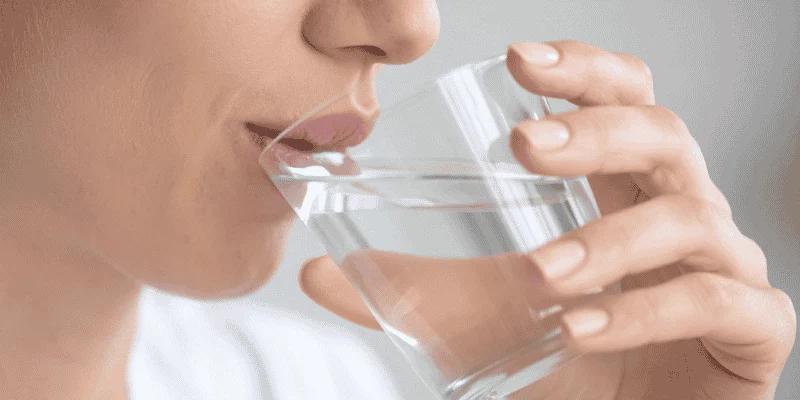
Drink water throughout your entire trip. Airplane cabins have very dry air that can dehydrate you quickly. Proper hydration supports your body’s natural healing processes.
Skip alcohol and caffeine during your flight. Both can interact with pain medications and increase your risk of bleeding. They also make dehydration worse.
Choose soft foods that don’t require much chewing. Good options include yogurt, mashed potatoes, oatmeal, scrambled eggs, and soup. Avoid crunchy snacks like pretzels or chips that airlines typically serve.
Stay away from extremely hot or cold foods and drinks. Temperature extremes can cause pain and sensitivity around your implant. Room temperature or lukewarm options work best during the first week after surgery.
Dental Tourism: Special Warnings for International Patients
Getting dental implants abroad can save money, but you need to understand the unique risks that come with combining surgery and international travel.
The dental tourism market has grown beyond $18 billion, with many patients seeking lower-cost treatments in other countries.
Researching Safety and Implant Quality Abroad
Not all dental clinics abroad meet the same safety standards you’d find at home.
Before booking your procedure, you should verify that the clinic uses FDA-approved or CE-marked implant materials from reputable manufacturers like Straumann, Nobel Biocare, or Zimmer Biomet.
Ask for the dentist’s credentials and training certificates. You want to see proof of their education, years of experience with implant surgery, and any specialized certifications.
Check online reviews from multiple sources, not just the clinic’s website.
Request before-and-after photos of actual patients who had similar procedures. A legitimate clinic will gladly share this information. You should also ask about their sterilization protocols and infection control measures.
Understanding dental tourism safety means knowing what questions to ask before you commit. Some clinics may use lower-quality implants or rush procedures to accommodate tight tourist schedules.
Coordinating Follow-Up Care After Returning Home
Travel after dental implant surgery creates challenges for your recovery care. You’ll need follow-up appointments to check healing progress, adjust your implant, and address any complications that arise.
Before you leave for your procedure, find a local dentist at home who agrees to provide follow-up care. Many dentists hesitate to take responsibility for work done elsewhere, especially if problems occur.
Get this arranged in advance, not after you return.
Ask your international clinic about their remote support options. Will they be available by phone or video call if issues come up? How will they handle complications that need immediate attention when you’re back home?
Post-implant recovery for international patients requires clear communication between your foreign dentist and local care providers.
Make sure you get complete medical records, X-rays, and details about the specific implant brand and model used.
Travel Insurance and Coverage Considerations
Your regular dental insurance probably won’t cover procedures done outside your home country. This leaves you financially exposed if something goes wrong during or after surgery.
Look into specialized travel medical insurance that includes dental coverage. Standard travel insurance often excludes dental procedures or limits coverage for elective treatments. Read the policy carefully to understand what’s covered.
Consider the total cost including flights, accommodation, the procedure itself, and potential return trips for complications. Sometimes the “savings” disappear when you factor in all expenses.
Budget extra money for unexpected issues like extended recovery time, medication, or emergency care.
Keep all receipts and documentation from your treatment abroad. You may be able to claim some costs on your taxes or through flexible spending accounts, depending on your country’s rules.
Frequently Asked Questions
Most dental professionals recommend waiting at least 3-5 days before flying, though complex procedures may require 10-14 days of recovery time.
Cabin pressure changes can cause discomfort in the surgical area, and certain activities should be avoided to protect your healing implant.
What activities should I avoid while recovering from dental implant surgery?
You should avoid strenuous physical activities for at least the first week after your surgery. Heavy lifting, intense exercise, and activities that raise your blood pressure can increase bleeding and swelling at the implant site.
Stay away from smoking and drinking through straws. The sucking motion can dislodge blood clots that are necessary for proper healing.
Avoid eating hard, crunchy, or chewy foods that could put pressure on your implant. Stick to soft foods and liquids during the initial recovery period.
How long after my implant surgery should I wait before flying?
For a single, simple dental implant, you should wait at least 3-5 days before flying. This gives the surgical site time to begin healing and reduces your risk of complications.
If you had a more complex procedure, your dentist will likely recommend waiting 10-14 days before boarding a plane. Procedures involving bone grafting or sinus lifts require extra healing time before air travel.
Some dental professionals suggest waiting 7-10 days in most cases. For full-arch restorations, you may need to wait 2-3 weeks or longer.
Are there any special precautions to take when traveling post-surgery?
Pack all your prescribed medications in your carry-on luggage. You’ll want easy access to pain relievers and antibiotics during your trip.
Bring ice packs or cold compresses to help manage swelling. You can also bring gauze in case you experience any bleeding.
Stay hydrated throughout your journey. Drink plenty of water to help your body heal and prevent dry socket.
Avoid alcohol during your recovery period, especially while taking pain medications. Plan to rest frequently and don’t schedule demanding activities immediately after arriving at your destination.
Can changes in air pressure affect my dental implants if I travel soon after surgery?
Cabin pressure changes during flights can cause discomfort in your healing surgical area. The pressure differences may lead to increased pain and swelling around the implant site.
Your sinuses can be affected by altitude changes, which is especially relevant if you had an upper implant or sinus lift. This can create additional pressure and discomfort in the healing area.
The implant itself won’t be damaged by pressure changes. However, flying too soon can make your recovery more uncomfortable and potentially slow down the healing process.
How can I manage pain and swelling while traveling after getting implants?
Take your prescribed pain medications as directed by your dentist. Set reminders on your phone so you don’t miss doses while traveling.
Apply cold compresses to the outside of your face for 15-20 minutes at a time. This helps reduce swelling and provides relief from discomfort.
Keep your head elevated when resting or sleeping during travel. Use extra pillows or recline your seat to minimize swelling.
Avoid hot foods and beverages that can increase blood flow to the surgical area. Stick to room temperature or cool soft foods during your trip.
What are the signs that indicate I should seek immediate dental care after traveling with recent implants?
Contact a dentist immediately if you experience severe pain that doesn’t improve with medication. Increasing pain several days after surgery can indicate infection or other complications.
Watch for excessive bleeding that doesn’t stop after applying pressure for 15 minutes. Some minor oozing is normal, but heavy bleeding requires professional attention.
Seek care if you notice signs of infection such as fever, pus discharge, or a foul taste in your mouth. Swelling that worsens after the first few days is also concerning.
Look out for implant movement or loosening. If the implant feels unstable or shifts position, you need to see a dental professional right away.