

When you choose dental implants, you also choose the material that will stay in your jaw for years.
Titanium has led implant dentistry for decades, while zirconia offers a metal‑free option with a tooth‑colored look. Both work well, but they differ in strength, appearance, and long‑term data.
Titanium implants have the longest track record and slightly higher long‑term survival rates, while zirconia implants offer a metal‑free, more natural color option with growing clinical support.
A large review of titanium, titanium-zirconium, and zirconia implant survival rates found survival around 97–98% for titanium types and about 94% for zirconia.
At the same time, many patients compare titanium vs zirconia dental implants for durability and aesthetics when deciding what fits their goals.
Your health history, gum thickness, bite force, and budget all shape the right choice.
When you understand how these implant materials perform in real cases, you can talk with your dentist with confidence and choose what fits your needs.
Key Takeaways
- Titanium implants have the longest history and slightly higher survival rates.
- Zirconia implants offer a metal-free option with a tooth-colored appearance.
- Your health, cosmetic goals, and budget help determine the best material.
Titanium vs Zirconia: Key Differences
When you compare titanium and zirconia implants, you look at three main factors: what they are made of, how they look in your mouth, and how dentists can use them in different designs.
Each point affects your comfort, results, and long‑term care.
Composition and Structure
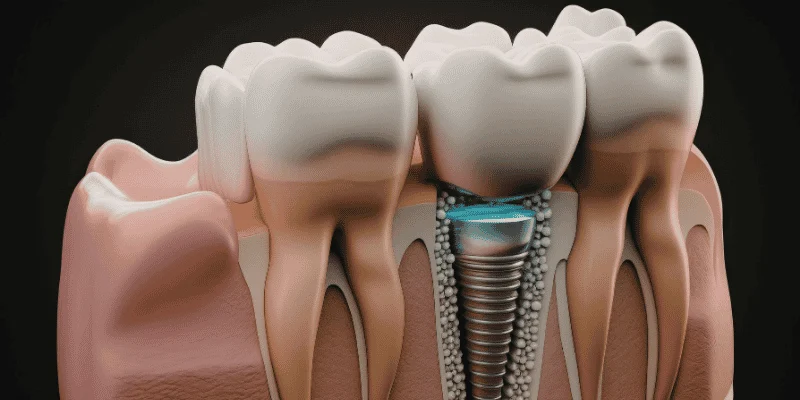
Titanium implants use a strong metal that bonds well with bone. Dentists have used titanium dental implants for decades because the material supports stable bone attachment and resists fracture under chewing force.
Many systems also use a titanium‑zirconium alloy. A large review of titanium, titanium‑zirconium, and zirconia dental implants reported survival rates of 97.7% for titanium and 98.6% for titanium‑zirconium, compared to 93.8% for zirconia. The same review found similar marginal bone levels between groups.
Zirconia implants are made from zirconium dioxide, a strong ceramic. You may also hear them called ceramic implants.
Zirconia resists corrosion and does not contain metal. However, it is more rigid than titanium, and its structure limits certain design changes after placement. Some studies show lower survival rates for zirconia compared to titanium in long‑term follow‑up.
Aesthetic Considerations

If you care about how your gums look, material color matters.
Titanium implants have a gray tone. If your gum tissue is thin, the metal can sometimes show through and create a darker shade near the gum line. This risk increases in the front of your mouth.
Zirconia dental implants are white. Their color matches natural teeth more closely, which may help in areas with high smile visibility.
Many patient guides that compare zirconia vs titanium implants note that zirconia often appeals to people who want a metal‑free option or have cosmetic concerns.
You should also think about long‑term gum health. Plaque control and bleeding on probing appear similar between materials in current studies, so appearance may guide your choice more than soft tissue response.
Versatility in Implant Design
Titanium offers more flexibility in design.
Most titanium implants come in two‑piece systems. The dentist places the implant in your bone, then attaches an abutment later. This setup allows angle correction, custom abutments, and easier adjustments if your bite needs changes.
Zirconia implants often use a one‑piece design. The implant and abutment connect as a single unit. This design reduces micro‑gaps but limits angle correction. Your dentist must position it very precisely at surgery.
When you compare implant materials, consider how much adjustment your case may need. If you have limited space, angled roots, or complex bite issues, titanium dental implants often provide more options.
If your case is simple and you want a ceramic, metal‑free solution, zirconia implants may fit your goals.
Clinical Performance and Long-Term Outcomes
When you compare titanium and zirconia implants, you want clear facts about healing, durability, and risk. Clinical trials and systematic reviews focus on osseointegration, implant survival rate, bone stability, and failure patterns to judge long-term success.

Osseointegration and Bone Integration
Osseointegration means the bone grows tightly around the implant surface. This bond keeps the implant stable when you chew.
Titanium has a long record of strong bone integration. Its surface can be treated to improve bone contact, and decades of use show predictable healing in most patients.
Zirconia also bonds to bone. A systematic review of randomized trials found no major difference in bone-related outcomes such as marginal bone loss and probing depth between titanium and zirconia implants.
Both materials can support healthy bone when placed correctly. Your healing, oral hygiene, and medical history still play a big role in how well bone integration holds over time.
Implant Survival Rate and Longevity
Implant survival rate tells you how many implants remain in place over time. Survival does not always mean perfect health, but it does mean the implant still functions.
Titanium implants show high survival in long-term studies. They remain the standard because they combine strong osseointegration with proven mechanical strength.
Zirconia implants show good short-term results, but some studies report slightly lower survival or success rates compared to titanium.
In the systematic review of randomized trials mentioned above, zirconia showed a trend toward a lower survival rate and a significantly lower success rate in some analyses.
You should also consider follow-up time. Many zirconia studies track outcomes for one to three years. Titanium has data that spans decades, which gives you clearer evidence about true implant longevity.
Complication and Failure Rates
Implant failure can happen early, when osseointegration does not occur, or later, due to bone loss, infection, or fracture. The implant failure rate depends on both biology and material strength.
Titanium rarely fractures under normal use because it has high fracture toughness. Mechanical failure is uncommon, and most problems relate to infection or poor oral care.
Zirconia is more brittle than titanium. Some reviews note higher concern about mechanical weakness and possible fracture, especially in earlier designs.
This analysis of zirconia compared with titanium implants reports similar short-term survival but calls for longer follow-up to confirm long-term safety.
When you weigh complication risk, focus on three factors:
- Material strength and fracture toughness
- Your bone quality and bite forces
- Your commitment to maintenance and follow-up care
Your dentist should match the material to your clinical needs, not just your cosmetic goals.
Biocompatibility and Patient Considerations
Your body’s response to an implant matters as much as its strength. You need to think about metal sensitivities, soft tissue health, and how each material affects plaque and peri-implant tissues over time.
Metal Sensitivity and Allergies
You may worry about metal sensitivity if you have reacted to jewelry or other metals. Titanium has a long history of use and shows strong biocompatibility in most patients. True titanium allergy appears to be rare, but it can occur.
Zirconia is a ceramic and contains no metal. If you have confirmed metal sensitivities, your dentist may discuss zirconia as an option.
Many patient guides on titanium vs zirconia implants note that zirconia appeals to people who want a metal-free restoration.
You should also consider your medical history. Autoimmune conditions, past implant failures, and chronic inflammation may affect material choice. Your dentist can review test results and symptoms before you decide.
Biological Response and Soft Tissue Health
Both materials aim to support stable peri-implant tissues. Your gums must seal tightly around the implant to block bacteria.
Research that compares titanium and zirconia dental implants looks at survival rates, marginal bone loss, and bleeding on probing (BOP). These measures help your dentist track inflammation and tissue stability.
Titanium forms a stable oxide layer that supports bone attachment. Zirconia also shows good tissue response and may promote favorable gum attachment in some cases.
You still control many risk factors. Smoking, poor oral hygiene, and uncontrolled diabetes increase your risk of peri-implantitis, no matter which material you choose.
Healthy habits protect your soft tissue health more than the material alone.
Plaque Accumulation and Peri-Implant Tissues
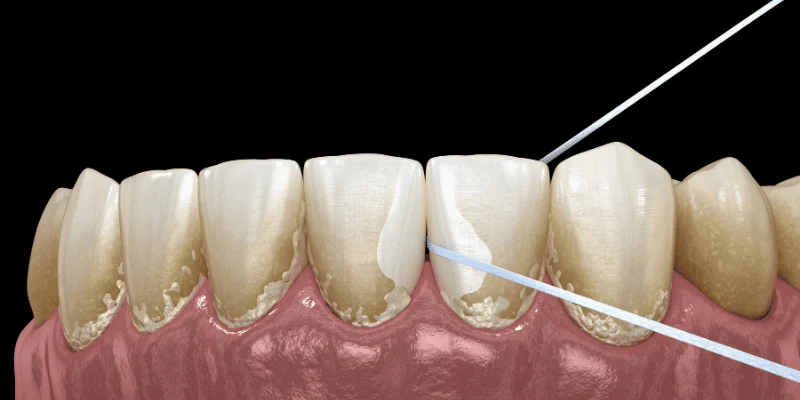
Bacteria drive most implant problems. When plaque builds up, it can inflame the gums and lead to bone loss.
Studies that compare implant materials examine plaque levels, probing depth, and mucosal inflammation, as discussed in reviews asking if there is a better biomaterial for dental implants than titanium.
Researchers evaluate how surface features affect bacterial adhesion and the soft-tissue seal.
Some lab findings suggest zirconia may attract slightly less plaque than rough titanium surfaces. In real life, your brushing and flossing habits play a larger role than small material differences.
If you keep good oral hygiene and attend regular checkups, you lower your risk of peri-implantitis. Your daily care protects your peri-implant tissues, whether you choose titanium or zirconia.
Mechanical and Physical Properties of Implant Materials
When you compare titanium and zirconia implants, you need to look at how each material handles force, resists damage, and interacts with the oral environment.
Strength, corrosion behavior, and surface design all affect how long your implant can last and how well it bonds with bone.
Strength and Fracture Resistance
Your implant must handle daily chewing forces without bending or breaking. Titanium, especially the alloy Ti-6Al-4V, offers high fatigue strength and strong fracture resistance.
This means it can withstand repeated biting forces over many years with a low risk of sudden failure.
Titanium also has good fracture toughness. If a small crack forms, the material resists rapid crack growth. This lowers the chance of catastrophic fracture.
Zirconia has high flexural strength and performs well under compression. However, it is more brittle than titanium. Its lower fracture toughness means cracks can spread faster under extreme stress.
A review on the mechanical integrity of dental implants explains how stress and deformation vary by material. For you, this matters most if you grind your teeth or have strong bite forces.
Corrosion Resistance and Durability
Your mouth stays moist and contains acids, bacteria, and temperature changes. These factors test an implant’s corrosion resistance.
Titanium forms a thin oxide layer on its surface. This layer protects the metal from further corrosion.
Studies on titanium corrosion mechanisms in the oral environment show that this passive layer can break down under certain conditions, but it usually reforms quickly.
Zirconia does not corrode like metals do. It is a ceramic, so it does not release metal ions. This makes it appealing if you want a metal-free option.
Long-term data still favors titanium for proven durability.
Systematic reviews such as Is there a better biomaterial for dental implants than titanium? report strong survival rates over many years. Zirconia also shows promising results, but it has shorter follow-up data in comparison.
Surface Treatments and Coatings
The surface of your implant plays a major role in bone bonding. A slightly rough surface improves stability by helping bone grow into small irregularities.
Manufacturers often use sandblasting and acid etching to increase surface roughness on titanium implants. Research on multiscale surface treatments of titanium implants shows these methods can speed up bone attachment.
Some implants use plasma spraying to apply textured or bioactive layers. These coatings can include materials that support faster bone growth.
Zirconia surfaces can also be modified, but changes must preserve strength. A review of relevant aspects of titanium and zirconia dental implants discusses how surface design affects fatigue behavior and osseointegration.
When you evaluate options, ask about both the core material and the surface treatment. The combination determines how your implant performs under stress and how well it bonds to your bone.
Cost, Accessibility, and Indications for Use
When you compare titanium and zirconia, cost and clinical use matter as much as strength and appearance. You need to think about dental implant cost, insurance limits, and which material fits your specific tooth replacement plan.
Typical Implant Costs
Your implant cost depends on the material, the dentist’s experience, and the steps involved in the dental implant procedure.
In the United States, a single implant often ranges from $1,500 to $5,000 for titanium and $1,500 to $6,000 for zirconia, according to this breakdown of titanium vs. zirconia tooth implant costs.
Zirconia implants often cost more because the material and manufacturing process are more complex.
Some clinics report zirconia can cost $300 to $1,000 more per implant, as noted in this comparison of zirconia vs titanium implants.
Your total price may also include:
- Surgical implant procedure
- The implant post and abutment
- The final dental crown
- Imaging like CT scans
- Bone grafting, if your jaw lacks support
If you need overdentures or full-arch dentures supported by implants, costs can rise into the $15,000 to $30,000 per arch range.
Insurance and Affordability
You may have to pay much of the cost out of pocket.
Many dental insurance plans still classify implant dentistry as a major or elective service. Some plans now cover part of the dental implant procedure, but they often cap benefits at a yearly maximum.
Check your policy for:
- Coverage for implant placement
- Waiting periods
- Limits on bone grafting
- Whether the dental crown is covered separately
Your dentist should give you an itemized estimate. That helps you see the cost of the implant post, abutment, and crown instead of one lump sum.
If you need multiple implants or implant-supported dentures, ask about payment plans. Many offices offer financing that spreads payments over several months or years.
Best Use Cases and Candidate Selection
Your dentist chooses the material based on your health, bite forces, and cosmetic goals.
Titanium implants work well for:
- Full-arch dentures
- Overdentures
- Cases that need angled abutments
- Patients who grind their teeth
Titanium has a long track record in single-tooth replacement and complex cases that need strong support.
Zirconia implants may suit you if:
- You want metal-free tooth replacement
- You have a history of metal sensitivity
- You need anterior restorations where gum color matters
Many zirconia systems use one-piece implants, which combine the implant post and abutment. This design can limit flexibility in angle correction but reduces the number of parts.
If you need bone grafting or have low bone density, your dentist may prefer titanium because it offers more design options. The best choice depends on your bone level, gum health, and long-term goals.
Frequently Asked Questions
You need clear facts before choosing an implant material. The questions below cover strength, appearance, cost, safety, and long‑term results so you can make an informed choice.
What are the main differences between titanium and zirconia dental implants?
Titanium is a metal. Zirconia is a ceramic that is often described as metal‑free.
Titanium implants have decades of research and are considered the standard in implant dentistry. Zirconia implants are newer and often come in a one‑piece design, though two‑piece versions now exist.
Titanium is generally stronger and more flexible under pressure. Zirconia resists corrosion and does not conduct electricity, but it can be more brittle.
Which implant material tends to look more natural under the gumline?
Zirconia is white, so it blends more easily with natural teeth. This can matter if you have thin gums.
Titanium is gray. In some cases, a slight dark shade may show through the gum tissue, especially in the front of your mouth.
How do the costs typically compare between zirconia and titanium dental implants?
Titanium implants usually cost less. They have lower manufacturing costs and are widely available.
Zirconia implants often cost more per unit. Fewer dentists place them, which can also affect the total price of your treatment.
Are there any known health risks or allergy concerns with titanium dental implants?
Titanium has a strong safety record and high success rates. Most people tolerate it well.
A small number of patients report metal sensitivity. Some also worry about corrosion in the moist environment of the mouth, though serious problems are uncommon.
If you have a known metal allergy, you should tell your dentist before treatment.
What are the most common problems or complications reported with zirconia dental implants?
Zirconia can be more brittle than titanium. Under heavy bite force, it may have a higher risk of cracking compared to metal implants.
Many zirconia implants use a one‑piece design. This design can limit flexibility in placement and may make certain full‑arch cases more complex..
Which implant material usually lasts longer and has better long-term success rates?
Titanium has the longest track record. Studies over several decades show high survival rates when placed and maintained properly.
Zirconia also shows promising success rates, but long‑term data is more limited because it is newer.